Osmotic Laxatives for Constipation Relief
Understanding Osmotic Laxatives and Their Role in Constipation Relief
Constipation can be uncomfortable and frustrating, but understanding the options available can make a huge difference! One effective treatment option is osmotic laxatives, which play a vital role in helping alleviate this common issue. In this section, we will explore what osmotic laxatives are, how they work, and why they may be the right choice for you.
What You Will Learn
- Osmotic laxatives draw water into the intestines, aiding stool passage and alleviating constipation.
- Popular osmotic laxatives include polyethylene glycol, lactulose, magnesium salts, and sorbitol.
- These laxatives are generally milder compared to stimulant laxatives, reducing the risk of discomfort.
- Potential long-term risks include electrolyte imbalance, dehydration, and dependence on laxatives for bowel movements.
- Incorporating lifestyle changes like increased physical activity, a balanced diet, and proper hydration can enhance the effectiveness of osmotic laxatives.
- A diet high in both soluble and insoluble fiber can significantly improve digestive health, reducing the need for laxatives.
What Are Osmotic Laxatives?
Osmotic laxatives are a type of laxative that draw water into the intestines, making it easier for stool to pass. This category includes several well-known products that you may have heard of. Here’s a quick list of popular osmotic laxatives:
- Polyethylene glycol
- Lactulose
- Magnesium salts
- Sorbitol
Each of these agents works by increasing the amount of fluid in your intestines. This can soften the stool and stimulate bowel movements, providing much-needed relief! As a gastroenterologist, I've seen many patients experience improvement in their symptoms after incorporating these laxatives into their routine.
How Osmotic Laxatives Work: The Mechanism of Action
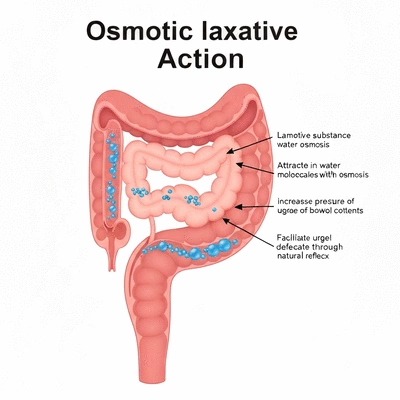
The magic of osmotic laxatives lies in their unique mechanism. When you ingest these laxatives, they remain in the intestines and pull water in from the surrounding tissues. This process increases the volume of stool and promotes peristalsis, which is the wave-like motion that helps move stool through the digestive tract. To learn more about the specific mechanisms and different types of osmotic laxatives, you can refer to this detailed overview on Osmotic Laxatives from NCBI.
To summarize, osmotic laxatives work by:
- Increasing water content in the intestines
- Softening the stool
- Stimulating bowel movements
This means that they can be a gentle yet effective solution for constipation, making them a popular choice for many individuals seeking relief.
Key Benefits of Using Osmotic Laxatives for Constipation
There are several compelling reasons to consider osmotic laxatives as part of your constipation relief strategy. Some of the key benefits include:
- Effective Relief: They can provide quick and effective relief from constipation symptoms.
- Gentle on the Body: Unlike some harsher laxatives, osmotic laxatives tend to be milder, minimizing discomfort.
- Flexible Usage: Many osmotic laxatives can be used on a regular basis or as needed, depending on your individual needs.
In my experience with patients at Constipation Solutions Co., those who incorporate osmotic laxatives often find greater ease in managing their digestive health. Remember, though, it's essential to follow dosage guidelines to ensure safe and effective use.
Comparing Osmotic Laxatives to Other Treatment Options
When it comes to managing constipation, osmotic laxatives are just one option among many. To help you make informed decisions, here’s how they compare to other common treatment methods:
- Stimulant Laxatives: These work by stimulating the intestinal walls but may cause cramping.
- Bulk-forming Agents: They increase fiber intake, which can help but may take longer to show results.
- Enema Solutions: Provide immediate relief but can be uncomfortable and inconvenient.
Osmotic laxatives often stand out for their effectiveness and gentleness, making them a favorable choice for many. However, it's important to consult with a healthcare provider to determine the best option for your specific situation. The Mayo Clinic offers comprehensive insights into various constipation treatments, which can help you understand your choices. Remember, understanding your choices is key to achieving digestive comfort!
Pro Tip
To enhance the effectiveness of osmotic laxatives, consider incorporating a fiber-rich diet into your daily routine. Foods such as whole grains, fruits, and vegetables not only support digestive health but can also help reduce your reliance on laxatives over time. Aim for a balanced intake of both soluble and insoluble fibers for optimal results!
Frequently Asked Questions (FAQs)
What are osmotic laxatives and how do they work?
Osmotic laxatives are a type of laxative that draw water into the intestines. This increase in fluid softens the stool and stimulates bowel movements, providing relief from constipation.
What are some common examples of osmotic laxatives?
Popular osmotic laxatives include polyethylene glycol, lactulose, magnesium salts, and sorbitol.
What are the main benefits of using osmotic laxatives?
Key benefits include effective relief from constipation, a generally milder action compared to some other laxatives, and flexible usage for regular or as-needed treatment.
Are there any long-term risks associated with continuous use of osmotic laxatives?
Yes, prolonged or continuous use can lead to potential risks such as electrolyte imbalance, dehydration if not enough fluids are consumed, and dependence on laxatives for regular bowel movements.
What lifestyle changes can complement the use of osmotic laxatives?
To enhance effectiveness and support overall digestive health, consider increasing physical activity, maintaining a balanced diet rich in fiber, and staying well-hydrated.
How can dietary changes and fiber supplements help with constipation?
A diet rich in both soluble fiber (e.g., oats, beans) and insoluble fiber (e.g., whole grains, vegetables) helps soften stool and add bulk, promoting regular bowel movements. Fiber supplements like psyllium husk can also be beneficial if dietary intake is insufficient.
Long-term Use of Osmotic Laxatives: Risks and Recommendations
When considering osmotic laxatives for constipation relief, it's essential to think about the long-term implications. While these medications can be effective for short-term use, relying on them continuously may lead to potential risks. I believe that understanding these risks enables you to make informed decisions about your digestive health.
Over time, using osmotic laxatives too frequently can interfere with your body's natural ability to regulate bowel movements. This dependency can sometimes lead to a cycle of needing higher doses to achieve the same effect, which is something I always advise my patients to be cautious about! Further research on the long-term effects of laxatives, including osmotic types, can be found in studies like those published by Karger Digitalis.
Potential Risks of Continuous Use
- Electrolyte Imbalance: Prolonged use can affect your body's electrolyte levels, which are crucial for various bodily functions.
- Dehydration: If not enough fluids are consumed, osmotic laxatives can draw too much water from your body, leading to dehydration.
- Dependence: Your intestines may start to rely on laxatives for stimulation, making it difficult to have regular bowel movements naturally.
It's crucial to monitor your body's response to osmotic laxatives and consult with a healthcare provider if you find yourself using them regularly. Remember, you are not alone in this journey, and there are many options available for achieving digestive wellness!

Complementary Lifestyle Modifications for Constipation Relief
While osmotic laxatives can provide relief, integrating lifestyle modifications can help enhance their effectiveness and support your overall digestive health. Here are some simple changes you can make to complement your laxative use:
- Increase Physical Activity: Regular exercise can stimulate your digestive system and promote regular bowel movements.
- Maintain a Balanced Diet: Focus on consuming a variety of fiber-rich foods such as fruits, vegetables, and whole grains.
- Stay Hydrated: Drinking enough water supports digestion and enhances the effectiveness of osmotic laxatives.
By incorporating these lifestyle changes, you may find that you need fewer laxatives, leading to a healthier approach to managing constipation. I always encourage my patients to take a holistic approach to their digestive health!
The Role of Dietary Changes and Fiber Supplements
Your diet plays a vital role in managing constipation, and it's important to consider how dietary changes and fiber supplements can work alongside osmotic laxatives. Increasing your fiber intake is one of the most natural ways to enhance your digestive system's function.
- Soluble Fiber: Foods like oats, beans, and apples help absorb water and make stools easier to pass.
- Insoluble Fiber: Found in whole grains and vegetables, this type helps add bulk to your stool.
- Fiber Supplements: Products like psyllium husk can help if you struggle to get enough fiber from food alone.
Ultimately, a balanced diet rich in both types of fiber can help you achieve optimal digestive health and reduce your reliance on osmotic laxatives. Empowering yourself with knowledge about dietary choices is a key step in maintaining overall well-being!
Recap of Key Points
Here is a quick recap of the important points discussed in the article:
- Osmotic laxatives draw water into the intestines, facilitating easier stool passage.
- Popular osmotic laxatives include Polyethylene glycol, Lactulose, Magnesium salts, and Sorbitol.
- Key benefits include effective relief, gentleness on the body, and flexible usage.
- Prolonged use can lead to risks such as electrolyte imbalance, dehydration, and dependence.
- Complementing laxative use with lifestyle modifications like increased physical activity, a balanced diet, and hydration is essential for optimal digestive health.

Dr. Clara Middleton
As a dedicated gastroenterologist with over a decade of experience, I'm passionate about empowering you with evidence-based insights into digestive wellness. At Constipation Solutions Co., we believe in natural remedies and lifestyle modifications to achieve optimal digestive comfort. My mission is to bridge the gap between medical expertise and everyday well-being, providing reliable, research-backed information to help you navigate your digestive challenges with confidence.
Popular Posts
Daily Exercise for Digestive Health
![How to Develop a Daily Exercise Routine to Prevent Constipation and Enhance Digestive Comfort]() Did you know that incorporating daily exercise can dramatically improve your digestive health? Regul
Did you know that incorporating daily exercise can dramatically improve your digestive health? Regul
 Did you know that incorporating daily exercise can dramatically improve your digestive health? Regul
Personalized Hydration for Constipation Relief
![Creating a Personalized Hydration Plan for Constipation Management]() Did you know that staying hydrated can significantly improve your digestive health? Understanding th
Did you know that staying hydrated can significantly improve your digestive health? Understanding th
 Did you know that staying hydrated can significantly improve your digestive health? Understanding th
Affordable Constipation Medication Options
![Cost and Accessibility of Constipation Medications: Tips for Finding Affordable Options]() Understanding your financial options when it comes to constipation treatments can empower you to mak
Understanding your financial options when it comes to constipation treatments can empower you to mak
 Understanding your financial options when it comes to constipation treatments can empower you to mak
Biofeedback for Constipation Relief
![Pelvic Floor Biofeedback and Exercise: A Drug-Free Approach to Constipation]() Struggling with constipation can be frustrating, but you don’t have to face it alone. Pelvic floor
Struggling with constipation can be frustrating, but you don’t have to face it alone. Pelvic floor
 Struggling with constipation can be frustrating, but you don’t have to face it alone. Pelvic floor
