Focus on Fiber
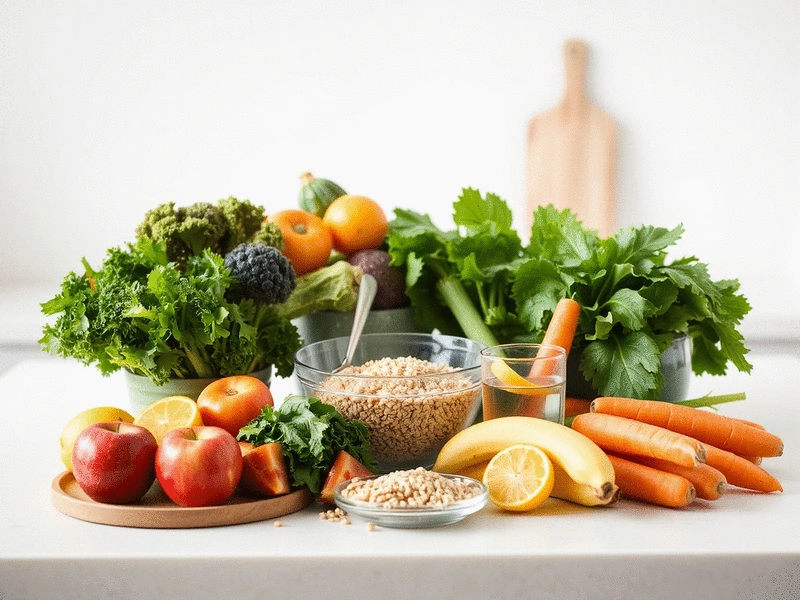
Include both soluble and insoluble fiber from fruits, vegetables, and whole grains to promote regular bowel movements and add bulk to stools.
Dietary Core
A well-balanced diet can be your best ally in managing constipation. By making informed choices about what you eat, you're taking the first step toward a more comfortable and healthier digestive experience. Let's explore the essential lessons that can empower you to regain control over your gut health!
Understanding and implementing effective dietary and lifestyle strategies is crucial for managing constipation. Below, we highlight the core areas that contribute to improved digestive health, with a focus on nutrition, hydration, and gut health.
Include both soluble and insoluble fiber from fruits, vegetables, and whole grains to promote regular bowel movements and add bulk to stools.
Aim for at least eight glasses of water daily. Proper hydration is crucial for softening stools and facilitating their passage through the intestines.
Consume foods like yogurt and fermented products to enhance gut health. A balanced microbiome aids digestion and regular bowel movements.
Listen to your body, adjust fiber intake gradually, and consult professionals. A personalized approach ensures sustainable and effective management.
Constipation can feel like a heavy weight that many of us carry, and understanding its causes is essential to finding relief. But what exactly is constipation? In simple terms, it's when bowel movements become infrequent or difficult to pass. This can lead to discomfort and affect your overall daily life. You might feel bloated, irritable, or even anxious about your digestive health. Trust me, you're not alone—this issue is more common than you think!
Living with constipation can disrupt your routine and impact your well-being. Many people experience a sense of urgency to find a remedy, and that's where knowledge about diet comes into play. Knowing the right foods to eat—and the ones to avoid—can significantly improve your digestive comfort.
Constipation is characterized by infrequent bowel movements, often defined as having fewer than three per week. The causes can vary from dietary choices to lifestyle factors. When you're dealing with constipation, it can feel like everything is off balance. You might find that tasks seem more challenging, and your mood can dip.
Addressing constipation involves a proactive approach to your diet and lifestyle. As a gastroenterologist, I've seen how empowering myself with knowledge can change the game for my patients. It feels great to help others restore their digestive health!
Diet plays a pivotal role in your body's ability to maintain regularity. Foods rich in fiber are particularly important because they add bulk to your stools and promote movement through your intestines. Research, like that published in the Proceedings of the Nutrition Society, highlights the efficacy of dietary management in alleviating chronic constipation. But what does that mean for you?
Understanding how different foods affect your digestive system can help you make informed choices each day. It's all about finding what works best for your body!
Gut health is a key player in managing constipation. Your intestines are home to trillions of bacteria, which play an important role in digestion. A healthy microbiome can assist with breaking down food and facilitating smooth bowel movements. A review published in PMC NCBI suggests that probiotics can be beneficial in addressing constipation symptoms.
As someone who advocates for natural solutions, I believe that nurturing your gut health can make a significant difference in your digestive comfort. By taking steps to enhance your gut microbiome, you’re paving the way for smoother digestion and greater overall wellness!
Did you know? Incorporating a variety of colorful fruits and vegetables into your diet not only boosts your fiber intake but also provides essential vitamins and minerals that support overall digestive health. Aim to fill half your plate with these nutrient-rich foods at each meal!
As we close our discussion on managing constipation, it’s important to recap the key dietary strategies and meal planning techniques that can help you regain your digestive comfort. Remember, taking control of your digestive health starts with understanding what works best for your body. By incorporating a balanced diet rich in fiber, hydration, and probiotics, you will be on your way to feeling your best!
Here’s a quick summary of the essential strategies we've explored:
Taking these steps can significantly improve your digestion, allowing you to manage constipation more effectively. Don’t hesitate to experiment and find what feels right for you!
No two individuals are the same, and this is particularly true when it comes to managing constipation. Personalizing your diet plan is crucial for achieving lasting results. At Constipation Solutions Co., we understand that factors such as age, activity level, and even your unique digestive system can influence what dietary choices will work best for you. For instance, the National Institutes of Health provides further insights into personalized approaches for managing chronic constipation.
Here are some tips for personalizing your constipation management:
By personalizing your approach, you'll not only enhance your digestive health but also create a sustainable and enjoyable eating pattern that works for you!
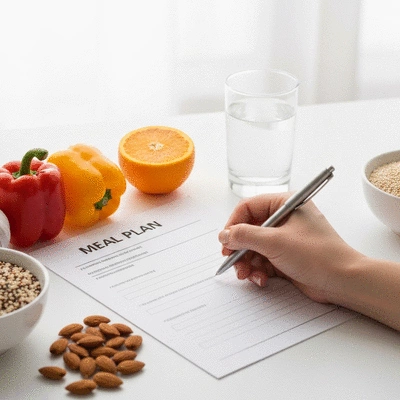
Now that you're equipped with the knowledge to create a balanced diet plan for managing constipation, it’s time to put it into action! One helpful way to stay organized is by utilizing printable resources like grocery lists and meal templates. These can streamline your shopping and help you plan meals in advance.
At Constipation Solutions Co., we offer downloadable resources that will guide you in making healthy choices. Having these materials handy not only simplifies the process but also motivates you to stick with your dietary changes. Don’t forget to check them out!
Tracking your progress is a vital step in managing constipation effectively. By using interactive checklists, you can monitor your fiber intake, hydration levels, and overall digestive health. This not only keeps you accountable but also allows you to adjust your diet as needed.
These checklists can be a fun way to engage with your health journey and visually track your improvements!
Lastly, I want to highlight the comforting role of herbal teas in supporting digestive health. Herbal teas like peppermint, ginger, and chamomile are not just soothing but also have properties that can aid in digestion. Incorporating these teas into your routine might provide additional relief for constipation.
So, consider brewing a cup of herbal tea in the evening as part of your bedtime routine. It could become a wonderful ritual that enhances your digestive wellness!
Here is a quick recap of the important points discussed in the article:
As a dedicated gastroenterologist with over a decade of experience, I'm passionate about empowering you with evidence-based insights into digestive wellness. At Constipation Solutions Co., we believe in natural remedies and lifestyle modifications to achieve optimal digestive comfort. My mission is to bridge the gap between medical expertise and everyday well-being, providing reliable, research-backed information to help you navigate your digestive challenges with confidence.