Success Rate
70-80%
of patients report improvement after completing a biofeedback program.
Struggling with constipation can be frustrating, but you don’t have to face it alone. Pelvic floor biofeedback therapy offers a promising solution that many are discovering for better digestive health. This therapy not only provides insights into your body’s muscle function but also empowers you to make lasting changes. Here’s what you can learn about this innovative approach!
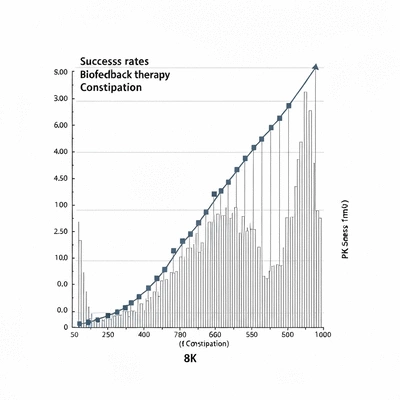
This visual summarizes key statistics and factors influencing the success of pelvic floor biofeedback therapy for constipation.
70-80%
of patients report improvement after completing a biofeedback program.
Are you struggling with constipation? You're not alone! Many individuals experience this uncomfortable condition, and it can often be linked to pelvic floor dysfunction. One innovative treatment gaining attention is pelvic floor biofeedback therapy. This approach helps patients improve their bowel function by providing real-time feedback on pelvic muscle activity.
Biofeedback therapy is a non-invasive method that can empower you to take control of your digestive health. By using sensors to monitor muscle responses, you receive immediate information that can guide you towards better bowel habits. Let's dive into what pelvic floor biofeedback therapy is all about!
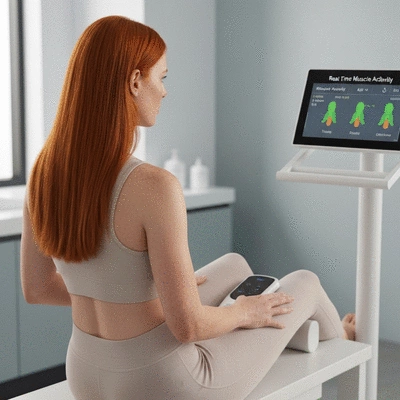
Pelvic floor biofeedback therapy is a specialized treatment designed to assist individuals in retraining their pelvic muscles. It involves the use of sensors that detect muscle contractions and relaxations, allowing you to visualize and understand how your muscles are functioning during bowel movements.
This therapy is particularly beneficial for those experiencing dyssynergic defecation, a condition where the muscles do not coordinate properly during bowel movements. With the guidance of a professional, you can learn to manage this condition effectively!
It's essential to understand the relationship between constipation and dyssynergic defecation. Dyssynergic defecation occurs when the pelvic floor muscles fail to relax appropriately during a bowel movement, often leading to straining and discomfort. This dysfunction is a common cause of chronic constipation, which can significantly affect your quality of life. For more detailed insights into dyssynergic defecation and its management, you can refer to research on the topic, such as studies on the efficacy of biofeedback in improving bowel function.
Recognizing this connection is vital, as effective treatment can lead to significant improvements in your digestive health and overall well-being!
Your pelvic health plays a crucial role in managing constipation. A well-functioning pelvic floor can contribute to smoother bowel movements and greater comfort. Many individuals overlook the importance of pelvic floor health, but it is a key component of digestive wellness.
At Constipation Solutions Co., we believe in empowering you with the knowledge and tools to improve your digestive health naturally. If you're facing challenges with constipation, consider exploring pelvic floor biofeedback therapy—it could make a world of difference on your journey toward digestive comfort!
Have you ever tried pelvic floor biofeedback therapy for constipation? We want to hear your thoughts!
When it comes to treating constipation, biofeedback therapy has shown promise in clinical settings. As a gastroenterologist, I often see patients who are eager to find solutions beyond medication. Many of them discover that biofeedback offers a natural and effective approach to easing their symptoms. Let's explore the clinical efficacy of this therapy and what it means for you.
The success rates of biofeedback therapy for constipation are quite compelling. Research indicates that about 70-80% of patients report improvement after completing a biofeedback program. This high percentage is encouraging, especially for those who have tried other methods without success. For more information on success rates and predictors, you can explore studies such as this review on pelvic floor biofeedback for chronic constipation. It's important to understand what this means for you as a patient.
These outcomes highlight how biofeedback can empower individuals to regain control over their digestive health. Remember, every person's experience is unique, but these statistics offer hope for many who struggle with chronic constipation!
Several factors can predict how successful biofeedback therapy will be for individuals. Understanding these predictors can help tailor treatment plans to enhance effectiveness. Here are some key predictors:
As part of my practice at Constipation Solutions Co., I emphasize the importance of these factors when discussing therapy options with my patients. By focusing on your specific needs and goals, we can work together toward successful outcomes in managing your constipation.
Recent clinical trials have provided valuable insights into the effectiveness of biofeedback therapy for constipation. These studies often show not only high success rates but also the long-term sustainability of results. Interested in ongoing research? You can follow active clinical trials, such as this study focusing on biofeedback for pediatric functional constipation. Here are some important points derived from research:
As we continue to explore the science behind biofeedback, the implications for treatment become clearer. At Constipation Solutions Co., I am committed to integrating these evidence-based practices into our approach, ensuring that you receive the best possible care tailored to your unique situation. Together, we can navigate your digestive health journey with confidence!
Here are some common questions about pelvic floor biofeedback therapy for constipation:
Here is a quick recap of the important points discussed in the article:
As a dedicated gastroenterologist with over a decade of experience, I'm passionate about empowering you with evidence-based insights into digestive wellness. At Constipation Solutions Co., we believe in natural remedies and lifestyle modifications to achieve optimal digestive comfort. My mission is to bridge the gap between medical expertise and everyday well-being, providing reliable, research-backed information to help you navigate your digestive challenges with confidence.