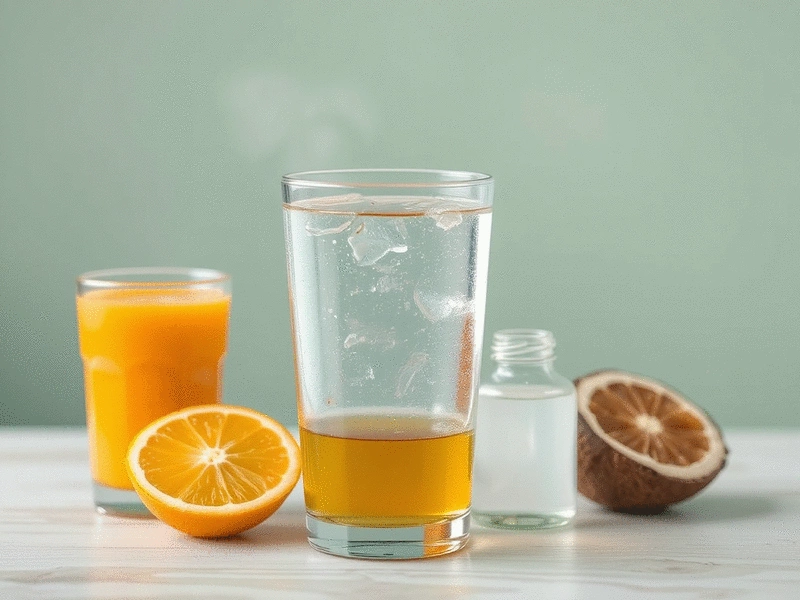
Ever wondered why something as simple as water could have such a profound impact on your digestive health? Staying hydrated is not just a good habit; it's essential for maintaining regular bowel movements and preventing discomfort. Let’s explore how understanding constipation and making small lifestyle changes can lead to significant improvements in your well-being.
What You Will Learn
Hydration is key: Drinking enough water helps soften stool and promotes regular bowel movements.
Fiber matters: Incorporating a variety of fiber-rich foods supports healthy digestion and works with hydration to prevent constipation.
Fluid variety: Different drinks, like juices and mineral waters, can enhance hydration and digestive health.
Personalized plans: Assessing your fluid intake and adjusting accordingly can help you manage constipation effectively.
This visual summarizes the critical role of hydration and fiber in preventing constipation and promoting healthy bowel movements, highlighting key recommendations for improved digestive wellness.
Hydration: The Foundation
Adequate water intake is crucial for softening stool and promoting smooth movement through the intestines.
8+ Glasses Daily 💧 Essential for soft stools
Fiber: The Bulking Agent
Fiber-rich foods add bulk, helping to form well-formed stools that are easier to pass.
Fruits, Veggies, Whole Grains 🍎 Bulk & movement
Fluid Choices: Beyond Water
Certain fluids offer additional benefits, complementing water intake for better digestion.
Prune/Pear Juice, Mineral Water 🥛 Natural laxatives
Actionable Plan for Relief
Combine hydration, fiber, and activity for a holistic approach to digestive wellness.
Track, Adjust, & Move 🏃♀️ Personalized strategy
Understanding Constipation and the Role of Hydration
Constipation can feel like an uncomfortable burden, but understanding what it is and why it happens is the first step toward relief. Constipation occurs when bowel movements become infrequent or difficult to pass, leading to discomfort and other digestive issues. Have you ever wondered if your lifestyle choices—like diet or hydration—could be contributing to this problem? It’s crucial to recognize that various factors, including stress, medication, and a sedentary lifestyle, can all play a role in your digestive health.
At Constipation Solutions Co., I often emphasize the importance of recognizing the signs of constipation early. This can empower you to take action and make the necessary changes to improve your digestive health. Remember, you’re not alone in this journey, and many people face similar challenges!
What Is Constipation and Why Does It Happen?
Essentially, constipation is defined as having fewer than three bowel movements a week. It often leads to hard, dry stools that can be painful to pass. Various factors can contribute to this condition, such as:
Inadequate fiber intake in your diet
Insufficient hydration
Lack of physical activity
Certain medications, such as painkillers or antacids
Ignoring the urge to have a bowel movement
By understanding these causes, you can start to make small but impactful changes in your routine, leading to a healthier digestive system.
The Importance of Hydration for Bowel Health
Did you know that hydration plays a pivotal role in maintaining regular bowel movements? Water is essential for softening the stool and facilitating its movement through the intestines. When you're well-hydrated, you’re less likely to experience constipation. According to the National Center for Biotechnology Information (NCBI), adequate fluid intake is a crucial component of managing constipation. Aim to drink at least eight glasses of water daily!
Consider carrying a water bottle as a reminder to sip often. You might be surprised at how much better you feel when you prioritize hydration—sometimes, a simple glass of water can make all the difference!
How Dietary Fiber Influences Constipation and Hydration
Fiber is a key player in promoting healthy digestion. Foods rich in fiber, such as fruits, vegetables, and whole grains, help form soft, bulky stools that are easier to pass. Increasing your fiber intake not only aids in preventing constipation but also works hand-in-hand with hydration to optimize bowel health. The Journal of Gastroenterology and Hepatology highlights the importance of dietary fiber in improving stool consistency and frequency.
Soluble fiber (found in oats, beans, and fruits) absorbs water and forms a gel-like substance that helps soften stool.
Insoluble fiber (found in whole grains and vegetables) adds bulk to the stool and helps push waste through the digestive system.
Combining fiber-rich foods with adequate hydration can significantly enhance your digestive comfort.
Remember, adding fiber to your diet gradually can help your digestive system adjust. If you’re feeling stuck, consider incorporating more fruits and veggies into your meals!
Interactive Poll: Your Thoughts on Hydration
We'd love to hear your perspective! How do you prioritize hydration in your daily routine? Share your thoughts below:
Frequently Asked Questions (FAQs)
Q: How much water should I drink daily to prevent constipation?
A: Aim for at least eight glasses of water daily. This helps soften stools and promotes regular bowel movements. However, individual needs may vary based on activity level and other factors.
Q: What role does fiber play in managing constipation?
A: Fiber adds bulk to stools, making them softer and easier to pass. Both soluble fiber (found in oats, beans, fruits) and insoluble fiber (found in whole grains, vegetables) are important for digestive health.
Q: Are there other fluids besides water that can help with constipation?
A: Yes, certain fluids like magnesium-rich mineral waters, prune juice, pear juice, and coconut water can complement your water intake and provide additional digestive benefits.
Q: When should I consult a healthcare professional for constipation?
A: If your constipation persists despite making lifestyle changes, or if you experience severe discomfort, blood in your stool, or unexplained weight loss, it's important to seek guidance from a healthcare professional.
Q: How can I create a personalized fluid plan?
A: Start by tracking your current fluid intake. Consider your age, activity level, and diet to determine your needs. Incorporate a variety of fluids and monitor your body's response, adjusting as needed.
Summary of Key Takeaways for Constipation Relief
As a gastroenterologist, I've seen firsthand how simple adjustments can lead to significant improvements in digestive health. Understanding the relationship between hydration and constipation is key to finding effective relief. Let’s dive into some important takeaways that you can easily implement!
Water is essential: Adequate hydration is crucial for maintaining soft stool and promoting regular bowel movements.
Dietary choices matter: Incorporating fiber-rich foods into your diet can enhance the benefits of hydration.
Choose the right fluids: Not all beverages are created equal. Water, juices, and certain mineral waters can help.
Listen to your body: Individual fluid needs may vary, so it's important to pay attention to how you feel.
In summary, making the right fluid choices and staying hydrated can significantly impact your bowel health. Don't hesitate to experiment with different options to see what works best for you!
Choosing Between Water and Other Fluids
When evaluating options for constipation relief, it's essential to consider what's on your beverage list. Water should be your primary source of hydration; however, other fluids can complement your routine effectively. Think about these options:
Magnesium-rich mineral waters: These natural laxatives can provide added support.
Fruit juices: Juices like prune and pear can enhance hydration while promoting digestion.
Coconut water: A refreshing choice that offers hydration along with additional health benefits.
Electrolyte drinks: Useful in certain situations, especially if you're active or sweating a lot.
Each fluid has unique properties that can contribute to your digestive health. By understanding their benefits, you can make more informed decisions about what to include in your daily routine.
Creating a Personalized Fluid Plan for Healthier Bowel Movements
Establishing a fluid plan tailored to your specific needs can be a game-changer in managing constipation. Start by assessing your daily habits and making small adjustments. Here’s how you can create your personalized fluid plan:
Assess your current fluid intake: Track how much water and other beverages you consume in a day.
Determine your needs: Consider factors like your age, activity level, and diet to establish how much fluid you should aim for.
Incorporate variety: Include different types of fluids such as herbal teas, infused water, and fiber-rich juices.
Monitor your body's response: Pay attention to how your body reacts to changes and adjust accordingly.
By taking the time to create a personalized fluid plan, you empower yourself to support your digestive health actively. Remember, it’s about finding what works best for you!
Taking Action: Next Steps for Constipation Relief
Taking actionable steps toward managing constipation is essential for your overall well-being. Don’t hesitate to take charge of your digestive health! Here are the next steps you can consider:
Quick Checklist: Immediate Actions for Constipation Relief
Increase your water intake to at least eight glasses a day.
Incorporate fiber-rich foods into your meals.
Try infused waters for added flavor and hydration.
Engage in regular physical activity, like walking or stretching.
This checklist provides a quick reference to help you kickstart your journey toward a more comfortable digestive experience!
Engaging with Healthcare Professionals for Persistent Issues
If you find that your constipation persists despite making these changes, it's important to seek guidance from a healthcare professional. For comprehensive guidelines on the diagnosis and treatment of chronic constipation, refer to resources like the Japanese Society of Gastroenterology's guidelines. At Constipation Solutions Co., we believe in empowering you with knowledge and support. Don't hesitate to reach out when needed!
Remember, you deserve to feel comfortable in your body. Seeking help is a sign of strength, and professionals can provide personalized solutions that cater to your unique health needs. Together, we can work toward achieving optimal digestive health!
Recap of Key Points
Here is a quick recap of the important points discussed in the article:
Stay Hydrated: Aim to drink at least eight glasses of water daily to maintain soft stool and promote regular bowel movements.
Prioritize Fiber: Incorporate fiber-rich foods, such as fruits, vegetables, and whole grains, to enhance digestive comfort.
Choose Hydration Wisely: Water, juices, and mineral waters can effectively support your digestive health.
Listen to Your Body: Monitor your individual fluid needs and adjust your intake according to your activity level and diet.
Dr. Clara Middleton
As a dedicated gastroenterologist with over a decade of experience, I'm passionate about empowering you with evidence-based insights into digestive wellness. At Constipation Solutions Co., we believe in natural remedies and lifestyle modifications to achieve optimal digestive comfort. My mission is to bridge the gap between medical expertise and everyday well-being, providing reliable, research-backed information to help you navigate your digestive challenges with confidence.

Constipation Solutions Co. is dedicated to empowering you to take control of your digestive health. Our mission is to provide reliable, research-backed information and natural solutions for constipation, helping you achieve optimal digestive comfort and overall well-being.
Kick off your digestive health journey by understanding your body's signals. Recognizing what triggers discomfort is the first step to finding relief!
Don’t underestimate the power of hydration. Adequate water intake is crucial for soft stools and regular bowel movements!
Utilize fiber-rich foods in your diet. They add bulk to your stool, making it easier to pass and promoting digestive regularity.
Ensure your daily routine includes physical activity. Even a short walk can stimulate your digestive system and help prevent constipation.
Focus on mindful eating. Chewing your food thoroughly and eating slowly can significantly aid digestion and prevent discomfort.
Leverage natural remedies like prunes or magnesium. These can be gentle yet effective in promoting bowel movements.
Create a consistent bathroom routine. Training your body to have bowel movements at the same time each day can improve regularity.
Regularly update your knowledge on digestive health. Fresh insights can help you adapt and improve your personal wellness strategy.
Use descriptive language when discussing symptoms with your doctor. Clear communication leads to more accurate diagnoses and effective treatments.
Incorporate stress reduction techniques. Stress can significantly impact gut health, so relaxation is key to digestive comfort.
Implement a food diary. Tracking what you eat can help identify specific foods that might be contributing to your constipation.
Optimize your posture during bowel movements. Using a squatty potty or footstool can make passing stool easier and more complete.
Encourage sharing your experiences and tips with others. A supportive community can provide valuable insights and encouragement.
Monitor and improve your gut microbiome. Probiotics and fermented foods can help maintain a healthy balance of gut bacteria.
Include a clear call-to-action in every post. This boosts engagement and guides readers to take the next step towards mastering their digestive wellness!