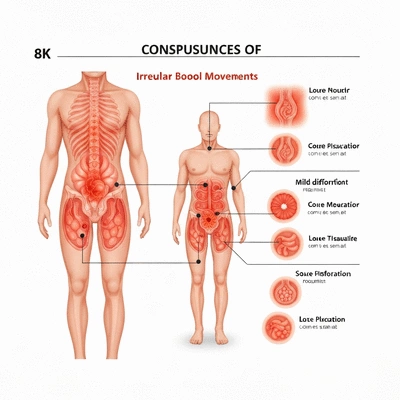
Consequences of Irregular Bowel Movements
- ‣ Increased toxin buildup: In the body.
- ‣ Higher risk: Of gastrointestinal diseases.
- ‣ Potential for: More serious health complications.
- ‣ Discomforts: Bloating, abdominal pain, anxiety.
What if the key to a healthier you lies in something as simple as your bowel movements? Regularity isn't just a bathroom habit; it's a vital aspect of your overall digestive health. Let's explore why maintaining this routine is crucial for your well-being.
Understanding the impact of irregular bowel movements and the strategies for maintaining a healthy digestive system is crucial. This visual outlines the key consequences of irregularity and the actions you can take to achieve better digestive health.
When we talk about digestive health, one term you’ll often hear is regular bowel movements. But what does that really mean? Essentially, a regular bowel movement is when you go to the bathroom at a consistent frequency, typically ranging from three times a week to three times a day. It’s important because it reflects how well your body is processing food and eliminating waste. Having a routine can significantly contribute to overall digestive comfort and health!
So why do these regular movements matter? They play a critical role in preventing issues like constipation, which can lead to discomfort and a host of other digestive challenges. Plus, keeping a regular schedule can enhance your body's ability to absorb nutrients effectively. This is key in not just feeling good but also in maintaining your overall health.
Regular bowel movements are crucial for your body’s detoxification process. When your body eliminates waste efficiently, it helps reduce the risk of developing certain health issues. As a gastroenterologist, I've seen how irregularity can lead to complications such as hemorrhoids and fissures. Not only that, it can also impact your mood and energy levels—because, let’s face it, nobody feels great when they’re bloated or uncomfortable!
For more insights into creating a balanced and healthy diet, you can refer to valuable resources like the CDC's healthy eating tips. In my experience at Constipation Solutions Co., I’ve found that most people don’t realize how vital these bowel habits are until they experience discomfort. That's why promoting awareness of what a “normal” routine looks like is essential for everyone!
Now that we understand the importance of regularity, let’s discuss what happens when your bowel movements become irregular. You might face a range of uncomfortable consequences, including bloating, abdominal pain, and even anxiety about when you might be able to go next. Constipation is not just an inconvenience; it can affect your whole quality of life!
It’s never too late to take control of your digestive health. By understanding the consequences of irregular bowel movements, you can make informed decisions to improve your routine and overall well-being. Remember, you’re not alone in this; many people face similar challenges, and there are solutions available to help!
Did you know? Incorporating a regular exercise routine can significantly enhance your digestive health! Aim for at least 30 minutes of moderate activity most days of the week. Activities like walking, cycling, or yoga can stimulate your intestines and promote regular bowel movements.
As we wrap up our discussion on achieving regular bowel movements, it’s essential to integrate both nutritional and lifestyle changes for lasting results. By focusing on what you eat and how you live, you can make significant strides toward improved digestive health. Remember, these adjustments don't need to happen overnight; gradual changes will lead to better adherence and more sustainable outcomes!
Let’s take a moment to summarize some key strategies that can help you maintain regularity:
By focusing on these strategies, you can create a supportive environment for your digestive health. It’s about small, consistent changes that can make a big difference!
While these strategies can be quite effective, I encourage you to consider seeking professional guidance for a personalized approach. As a gastroenterologist, I often see how tailored plans can lead to better outcomes in digestive health. Each person’s body is unique, and what works for one individual may not work for another.
Consulting with a healthcare professional can help you understand:
At Constipation Solutions Co., we’re dedicated to providing evidence-based insights, and I’m here to help you navigate your digestive challenges. Remember, taking control of your gut health is an empowering journey!
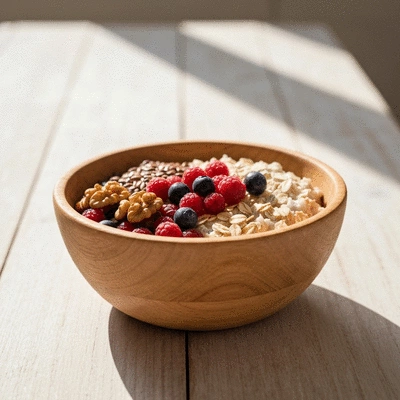
Taking action starts with creating a balanced diet that emphasizes fruits, vegetables, and healthy fats. These foods not only provide essential nutrients but also contribute to bowel regularity. Aim to fill your plate with colorful options, as each color represents different vitamins and minerals that support digestive health.
Here are some foods to consider incorporating into your daily meals:
For additional guidance on dietary fiber and its benefits, the NHS provides excellent information on good foods to help your digestion. By focusing on these elements, you'll not only enhance your overall health but also support your digestive system in a natural way!
Lastly, don’t be afraid to experiment with different foods! Everyone’s digestive system is unique, and what works for one person may not work for another. Pay attention to how your body responds to various foods. If you notice certain items cause discomfort or irregularity, consider adjusting your intake.
Here are a few tips for this journey:
The National Institutes of Health offers further reading on the effects of diet on gut health, which can be a valuable resource as you experiment. You’re in charge of your health, and taking the time to listen to your body can lead to better digestive outcomes. Together, we can work towards achieving a comfortable and healthy digestive experience!
A regular bowel movement typically ranges from three times a week to three times a day. The key is consistency in your personal frequency, reflecting efficient processing and elimination of waste by your body.
Regular bowel movements are crucial for preventing issues like constipation, supporting nutrient absorption, maintaining a healthy gut microbiome, and assisting in the body's natural detoxification processes. They also reduce the risk of gastrointestinal disorders and improve mood and energy levels.
Irregular bowel movements can lead to discomforts such as bloating, abdominal pain, and anxiety. More serious consequences include an increased buildup of toxins, a higher risk of gastrointestinal diseases, and potential for other health complications like hemorrhoids and fissures.
Key strategies include incorporating both soluble and insoluble dietary fibers, staying well-hydrated, consuming specific foods with laxative properties (e.g., kiwifruit, prunes), integrating fermented foods for gut health, and practicing mindful eating.
While dietary and lifestyle changes are often effective, it's encouraged to seek professional guidance for a personalized approach, especially if you have specific nutritional needs, underlying health conditions affecting digestion, or require advice on safe use of medications. A healthcare professional can tailor a plan specifically for you.
Here is a quick recap of the important points discussed in the article:
As a dedicated gastroenterologist with over a decade of experience, I'm passionate about empowering you with evidence-based insights into digestive wellness. At Constipation Solutions Co., we believe in natural remedies and lifestyle modifications to achieve optimal digestive comfort. My mission is to bridge the gap between medical expertise and everyday well-being, providing reliable, research-backed information to help you navigate your digestive challenges with confidence.