Soluble Fiber
Action: Dissolves in water, forming a gel, which softens stool.
Benefit: Helps soften hard stools, making them easier to pass and promoting regularity.
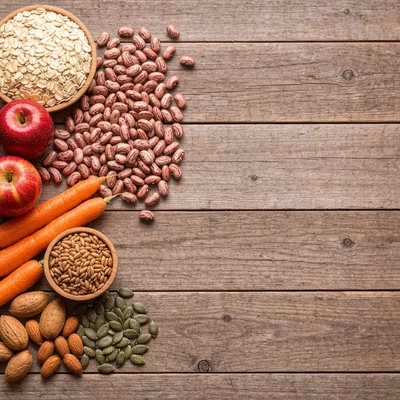
Sources: Oats, beans, apples, carrots, psyllium.
Ever wondered how a simple nutrient like fiber can transform your digestive health? This unassuming component of your diet plays a pivotal role in maintaining your gut's balance and comfort. Let’s dive into the essential insights about fiber that can empower your digestive journey!
Understanding the distinct roles of soluble and insoluble fiber is key to optimizing digestive health and relieving constipation.
Action: Dissolves in water, forming a gel, which softens stool.
Benefit: Helps soften hard stools, making them easier to pass and promoting regularity.
Sources: Oats, beans, apples, carrots, psyllium.
Action: Does not dissolve in water, adds bulk to stool.
Benefit: Speeds up food movement through the digestive tract, aiding bowel regularity.
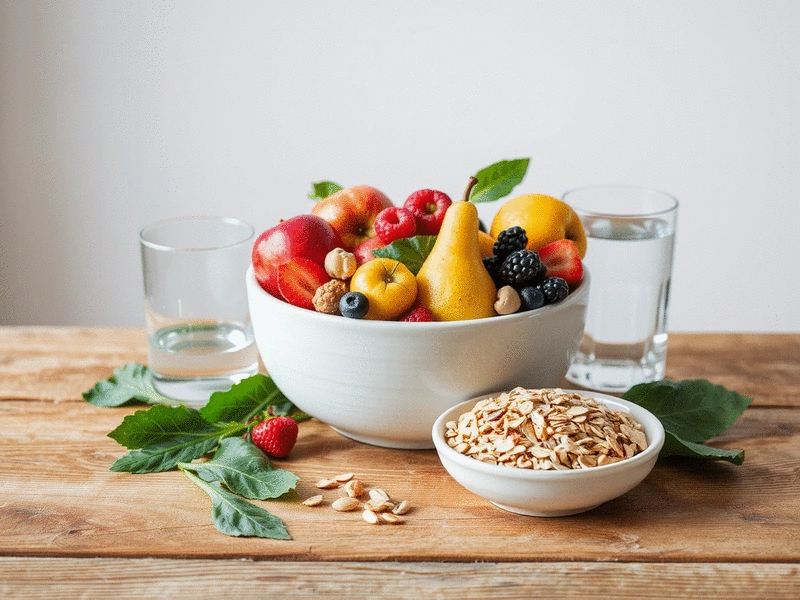
Sources: Whole grains, nuts, seeds, skin of fruits and vegetables.
Both types of fiber are essential. Soluble fiber softens, while insoluble fiber adds bulk, working together to promote healthy, regular bowel movements. Gradual increase and adequate hydration are crucial to avoid discomfort.
When it comes to maintaining a healthy digestive system, understanding the role of fiber is crucial. Fiber plays a significant part in how our bodies process food and manage bowel movements. Have you ever stopped to think about how fiber affects your digestion? It's fascinating how this humble nutrient can influence your gut health!
As a gastroenterologist, I've seen firsthand how increasing fiber in your diet can lead to improved digestive comfort. In this section, we'll explore the different types of fiber, their effects on bowel movements, and the importance of fiber in relieving constipation. The National Agricultural Library provides further insights into the health benefits of dietary fiber.
To truly appreciate the impact of fiber, we need to understand the two main types: soluble and insoluble fiber. Each type plays a unique role in digestive health, and knowing their differences can help you make better dietary choices!
The impact of fiber on stool frequency and consistency can't be overstated. When you consume enough fiber, you're more likely to have regular bowel movements, which can greatly reduce the discomfort associated with constipation.
Soluble fiber is found in foods like oats, beans, and apples, while insoluble fiber is present in whole grains, nuts, and vegetables. Understanding these distinctions can empower you to choose the right fibers for your dietary needs. For a comprehensive guide on healthy eating, including fiber-rich foods, the CDC offers valuable tips.
Increasing your fiber intake can lead to more frequent and softer bowel movements, making it easier to pass stool. This is especially important for those struggling with constipation, as it can significantly enhance digestive comfort.
We know that fiber is essential for overall health, but did you know it can be particularly beneficial for relieving constipation? The evidence backing this claim is robust, and as someone who is passionate about gastrointestinal wellness, I can attest to its effectiveness!
By incorporating more fiber into your diet, you can actively manage and prevent constipation. This is where understanding your gut health becomes essential; a well-balanced gut microbiome thrives on fiber! The National Institute of Child Health and Human Development provides additional information on fiber and its crucial role in health.
Research supports that higher fiber consumption leads to improved bowel movement frequency and consistency. By prioritizing fiber in your diet, you can enjoy a more comfortable digestive experience.
If you've been dealing with chronic constipation, increasing your fiber intake is a natural and effective way to find relief. It's a simple change that can lead to significant improvements in your overall digestive health!
Your gut health is interconnected with your overall well-being. A diet rich in fiber can help cultivate a thriving gut microbiome, which plays a vital role in digestion and nutrient absorption.
In summary, fiber is a powerhouse nutrient that offers various benefits for digestive health, especially when it comes to relieving constipation. As we move forward, let's talk about how you can determine your daily fiber needs to optimize your digestive comfort!
To maximize the benefits of fiber, consider incorporating a variety of sources into your diet. Aim for a mix of both soluble and insoluble fiber. For instance, start your day with a bowl of oatmeal topped with fruits for soluble fiber, and include vegetables and whole grains in your meals for insoluble fiber. This combination not only supports digestion but also enhances overall gut health!
As a gastroenterologist, I've seen many patients with questions about fiber and its role in managing constipation. It's completely normal to have inquiries, especially when making dietary adjustments. Let’s dive into some common questions that I often hear from those seeking relief through increased fiber intake.
Increasing your fiber intake can be a game-changer for your digestive health! However, it's essential to approach this change gradually. You might notice:
As you incorporate more fiber, remember to stay hydrated. Water helps fiber do its job effectively. So, keep that water bottle handy!
It might sound surprising, but yes, too much fiber without adequate hydration can actually worsen constipation! A sudden spike in fiber intake can lead to discomfort, including:
To avoid these issues, I recommend increasing your fiber intake gradually. This allows your digestive system to adapt, ensuring you reap the benefits without the discomfort.
A high-fiber diet offers a wealth of health benefits that go beyond just relieving constipation. Here are some key advantages:
Adopting a fiber-rich diet can significantly contribute to your overall wellness. It’s all about making those small, sustainable changes that lead to lasting results!
A: The two main types are soluble and insoluble fiber. Soluble fiber dissolves in water to form a gel, helping to soften stool, while insoluble fiber does not dissolve in water and adds bulk to stool, speeding up digestion.
A: Both soluble and insoluble fibers work together. Soluble fiber softens hard stools, making them easier to pass, while insoluble fiber adds bulk and promotes regular bowel movements, preventing and managing constipation.
A: Soluble fiber sources include oats, beans, apples, carrots, and psyllium. Insoluble fiber sources are whole grains, nuts, seeds, and the skins of fruits and vegetables.
A: When gradually increasing fiber, you might experience initial bloating or gas as your body adjusts. You should also notice more regular and softer bowel movements. It's crucial to stay well-hydrated.
A: Yes, consuming too much fiber too quickly, especially without adequate hydration, can lead to abdominal cramps, excessive gas, and even worsen constipation. It's important to increase fiber intake gradually.
A: A high-fiber diet can lead to improved heart health (by lowering cholesterol), better blood sugar control, and enhanced overall gut health by fostering a diverse gut microbiome.
Here is a quick recap of the important points discussed in the article:
As a dedicated gastroenterologist with over a decade of experience, I'm passionate about empowering you with evidence-based insights into digestive wellness. At Constipation Solutions Co., we believe in natural remedies and lifestyle modifications to achieve optimal digestive comfort. My mission is to bridge the gap between medical expertise and everyday well-being, providing reliable, research-backed information to help you navigate your digestive challenges with confidence.