Hydration's Impact on Constipation Relief
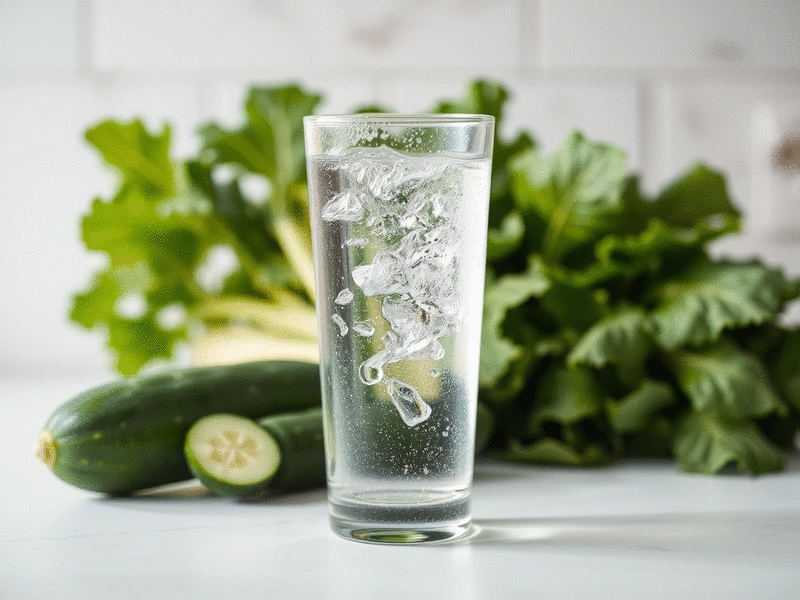
Have you ever wondered why staying hydrated is crucial for your digestive health? Hydration not only supports your overall well-being but also plays a significant role in preventing constipation. Let’s delve into the essential insights that can empower you to manage your digestive comfort effectively!
What You Will Learn
- Hydration is key for softening stools and promoting regular bowel movements.
- A low-fiber diet, lack of exercise, and dehydration are common causes of constipation.
- Electrolyte balance, including sodium, potassium, and magnesium, is crucial for effective hydration.
- Daily fluid intake recommendations vary by age and activity level; adults generally need 8-10 cups of water daily.
- Certain beverages, like water and herbal teas, are preferable for hydration, while caffeinated and sugary drinks should be limited.
- Practical hydration methods include carrying a water bottle and setting specific hydration goals.
- Recognizing symptoms of chronic constipation can guide you to seek medical advice when needed.
How Hydration Influences Bowel Function
The role of hydration in digestive health, specifically in preventing constipation, is multifaceted. This visual breaks down the key mechanisms and recommendations for optimal fluid intake.
Benefits of Adequate Hydration
- ✓ Softens Stool
- ✓ Hydrates Colon
- ✓ Enhances Digestive Flow
Key Electrolytes for Digestion
- ● Sodium: Fluid Retention
- ● Potassium: Muscle Contractions
- ● Magnesium: Bowel Movements
Daily Hydration Recommendations
Recommended Fluid Intake by Age
- ■ Children: 5-7 cups (1.2-1.6L)
- ■ Adults: 8-10 cups (2-2.5L)
- ■ Older Adults: 6-8 cups (1.5-2L)
Fluids to Favor & Avoid
Favor:
- Water
- Herbal Teas
- Juices
Avoid:
- Caffeine (Excess)
- Alcohol
- Sugary Drinks
Effective Hydration Strategies
- 👤 Keep Bottle Handy
- 🎯 Set Goals
- 🍊 Infuse Water
The Connection Between Hydration and Constipation Relief
Hydration plays a crucial role in our overall health, especially when it comes to digestive comfort. As the founder of Constipation Solutions Co., I’ve seen how many individuals struggle with constipation, often without realizing the impact that hydration has on their bowel health. Have you ever noticed that when you drink less water, your digestion tends to slow down? Understanding this connection is vital for relief!

Understanding Constipation: Causes and Symptoms
Constipation can be caused by various factors, ranging from dietary habits to lifestyle choices. Common causes include a low-fiber diet, lack of physical activity, and insufficient fluid intake. These elements can lead to discomfort and irregular bowel movements.
- Dietary choices: Low fiber consumption is a primary culprit.
- Lack of exercise: Physical inactivity slows down the digestive system.
- Dehydration: Insufficient fluid intake can harden stools, making them difficult to pass.
Recognizing the symptoms of constipation is equally important, as it allows you to take proactive steps. Symptoms can include bloating, abdominal pain, and infrequent bowel movements. If you've ever felt this way, you’re not alone!
How Hydration Influences Bowel Function
The physiological mechanisms of hydration significantly impact bowel function. Water helps soften stool, making it easier to pass. When you’re well-hydrated, your body can better facilitate digestion and promote regular bowel movements.
- Stool consistency: Adequate hydration leads to softer stools.
- Colon function: Water keeps the colon hydrated, allowing for efficient nutrient absorption.
- Digestive flow: Proper fluid intake enhances the movement of food through the digestive tract.
As a gastroenterologist, I encourage you to pay attention to your hydration levels. If you’re feeling constipated, a simple increase in water intake could be just what you need to get things moving!
The Importance of Electrolyte Balance in Hydration
Maintaining a proper electrolyte balance is essential for effective hydration and digestive health. Electrolytes such as sodium, potassium, and magnesium work together to regulate fluid balance in the body. When you sweat or lose fluids, replenishing these electrolytes is crucial.
- Sodium: Helps retain fluid and maintain blood pressure.
- Potassium: Aids in muscle contractions, including those in your intestines.
- Magnesium: Plays a role in muscle and nerve function, promoting regular bowel movements.
By ensuring you’re not only drinking enough fluids but also maintaining a balance of electrolytes, you're supporting your digestive system in a comprehensive way. Remember, hydration is more than just water—it's about keeping your body in equilibrium!
Guidelines for Optimal Fluid Intake
Staying well-hydrated is fundamental, but how much fluid do you really need each day? Let’s explore some practical guidelines to help you achieve optimal hydration.
Daily Hydration Recommendations for Different Ages
Hydration needs can vary greatly across different age groups. Here are some general recommendations to keep in mind:
- Children: Approximately 5-7 cups (1.2-1.6 liters) daily, depending on age and activity level.
- Adults: Around 8-10 cups (2-2.5 liters) per day to support overall health.
- Older adults: At least 6-8 cups (1.5-2 liters) daily, as their thirst sensation may be less acute.
It’s crucial to adjust these amounts based on factors like climate, exercise, and individual health conditions. Remember, staying hydrated is a lifelong commitment!
Types of Fluids to Favor and Avoid
Choosing the right beverages can significantly impact your hydration status. Here’s a list of fluids to favor and those to avoid:
- Favor:
- Water – the best choice for hydration!
- Herbal teas – soothing and hydrating.
- Fruits and vegetable juices – flavorful and nutritious.
- Avoid:
- Caffeinated beverages – can be dehydrating in excess.
- Alcohol – can lead to increased fluid loss.
- Sugary drinks – often contribute to dehydration.
By making informed choices, you can support your digestive health and overall well-being!
Hydration Methods: Understanding Effective Strategies
Implementing effective hydration methods can enhance your fluid intake. Here are some strategies you can try:
- Keep a water bottle handy: Carry it everywhere to remind you to sip throughout the day.
- Set hydration goals: Aim for specific targets, like drinking a glass of water before each meal.
- Infuse your water: Add fruits or herbs for flavor to make it more enjoyable!
Remember, staying hydrated doesn’t have to be a chore. By incorporating these methods, you can easily make hydration a part of your daily routine!
 I couldn't find a specific video titled "The Role of Hydration in Preventing Constipation: A Comprehensive Guide" that matches your requirements. However, the video "Dehydration Affects on Gut Health" discusses hydration and its impact on gut health, which includes constipation. Here is the embed code for that video:
If you need a more specific video, you might want to search YouTube directly for videos that exactly match your title or content criteria.
Pro Tip
Did you know? Staying hydrated is not just about drinking water; incorporating hydrating foods like cucumbers, oranges, and strawberries can significantly boost your fluid intake and support your digestive health! Aim to include these in your daily diet for added benefits.
Frequently Asked Questions About Hydration and Constipation
Q1: Why is hydration important for preventing constipation?
A: Hydration is crucial because it helps soften stools and prevents them from becoming hard and difficult to pass. Adequate fluid intake also supports the overall function of your colon, promoting regular bowel movements.
Q2: What are common causes of constipation?
A: Common causes include a low-fiber diet, lack of physical activity, and insufficient fluid intake. These factors can slow down digestion and make stools harder.
Q3: How much fluid should adults drink daily to prevent constipation?
A: Adults are generally recommended to drink around 8-10 cups (2-2.5 liters) of water per day. However, this can vary based on activity level, climate, and individual health conditions.
Q4: What types of fluids are best for hydration and why should some be avoided?
A: Water, herbal teas, and fruit/vegetable juices are best for hydration. Caffeinated beverages (in excess), alcohol, and sugary drinks should be limited or avoided as they can contribute to dehydration and may worsen constipation.
Q5: When should I seek medical advice for constipation?
A: You should seek medical advice if you experience persistent abdominal pain or bloating, blood in your stool, severe straining, unexplained weight loss, or if your constipation does not improve with increased fluid intake and dietary changes.
Recognizing When to Seek Medical Guidance
It’s important to recognize that chronic constipation may signal a larger underlying issue that hydration alone can't fix. If you're consistently struggling with infrequent bowel movements or experiencing discomfort that doesn’t improve with increased fluid intake, it might be time to consult a healthcare professional. According to the CDC, persistent constipation can sometimes indicate other health concerns. Here are some signs to look out for:
- Persistent abdominal pain or bloating
- Blood in the stool or during bowel movements
- Severe straining or feeling like you can't completely empty your bowels
- Unexplained weight loss
These symptoms could indicate conditions that require medical attention, so don't hesitate to reach out for help!
Integrating Professional Advice with Personal Strategies
While self-care practices can be beneficial, integrating professional advice is essential, especially for chronic issues. I always encourage my patients at Constipation Solutions Co. to discuss their digestive health openly with their doctors. Personal strategies—like adjusting diet and hydration—are vital, but they should complement the guidance of healthcare providers who can tailor recommendations based on individual health needs.
Consider asking your healthcare provider about:
- Potential underlying causes of your constipation
- Specific dietary changes that might help
- When it's appropriate to use over-the-counter treatments
By collaborating with a professional, you empower yourself to make informed decisions about your digestive health.
When to Consider Constipation Remedies and Laxatives
In some cases, over-the-counter remedies or laxatives may be necessary to relieve constipation. However, it's crucial to use these products safely and wisely. Here are some scenarios when they might be appropriate:
- When dietary and hydration efforts haven’t produced results
- If you need immediate relief due to discomfort
- To manage occasional constipation resulting from travel or dietary changes
Always follow the instructions on the packaging and consult your doctor if you're considering using laxatives regularly. They can help you figure out the best option for your specific situation!
Summary of Key Points and Action Steps
In summary, hydration plays a critical role in preventing constipation. Keeping yourself well-hydrated can help maintain regular bowel movements and improve overall digestive health. As part of your daily routine, aim to:
- Drink plenty of water throughout the day
- Integrate hydrating foods into your diet
- Monitor your body’s signals and seek medical advice when necessary
Taking these steps can significantly enhance your digestive comfort and overall well-being!
Engagement and Community Support
I invite you to share your experiences with hydration and constipation management. Have you found specific strategies that work for you? Let's foster a community dialogue to support each other in our journeys toward better digestive health!
Recap of Key Points
Here is a quick recap of the important points discussed in the article:
- Hydration is essential for maintaining regular bowel movements and preventing constipation.
- Daily fluid intake recommendations vary by age: children need 5-7 cups, adults should aim for 8-10 cups, and older adults require at least 6-8 cups.
- Opt for hydrating fluids like water, herbal teas, and fruit juices while avoiding caffeinated, alcoholic, and sugary beverages.
- Incorporate hydrating foods into your diet, such as fruits and vegetables.
- Recognize symptoms of constipation and seek medical guidance if issues persist despite increased hydration.

Dr. Clara Middleton
As a dedicated gastroenterologist with over a decade of experience, I'm passionate about empowering you with evidence-based insights into digestive wellness. At Constipation Solutions Co., we believe in natural remedies and lifestyle modifications to achieve optimal digestive comfort. My mission is to bridge the gap between medical expertise and everyday well-being, providing reliable, research-backed information to help you navigate your digestive challenges with confidence.
Popular Posts
Daily Exercise for Digestive Health
![How to Develop a Daily Exercise Routine to Prevent Constipation and Enhance Digestive Comfort]() Did you know that incorporating daily exercise can dramatically improve your digestive health? Regul
Did you know that incorporating daily exercise can dramatically improve your digestive health? Regul
 Did you know that incorporating daily exercise can dramatically improve your digestive health? Regul
Personalized Hydration for Constipation Relief
![Creating a Personalized Hydration Plan for Constipation Management]() Did you know that staying hydrated can significantly improve your digestive health? Understanding th
Did you know that staying hydrated can significantly improve your digestive health? Understanding th
 Did you know that staying hydrated can significantly improve your digestive health? Understanding th
Affordable Constipation Medication Options
![Cost and Accessibility of Constipation Medications: Tips for Finding Affordable Options]() Understanding your financial options when it comes to constipation treatments can empower you to mak
Understanding your financial options when it comes to constipation treatments can empower you to mak
 Understanding your financial options when it comes to constipation treatments can empower you to mak
Biofeedback for Constipation Relief
![Pelvic Floor Biofeedback and Exercise: A Drug-Free Approach to Constipation]() Struggling with constipation can be frustrating, but you don’t have to face it alone. Pelvic floor
Struggling with constipation can be frustrating, but you don’t have to face it alone. Pelvic floor
 Struggling with constipation can be frustrating, but you don’t have to face it alone. Pelvic floor
