Fluid Intake and Bowel Health
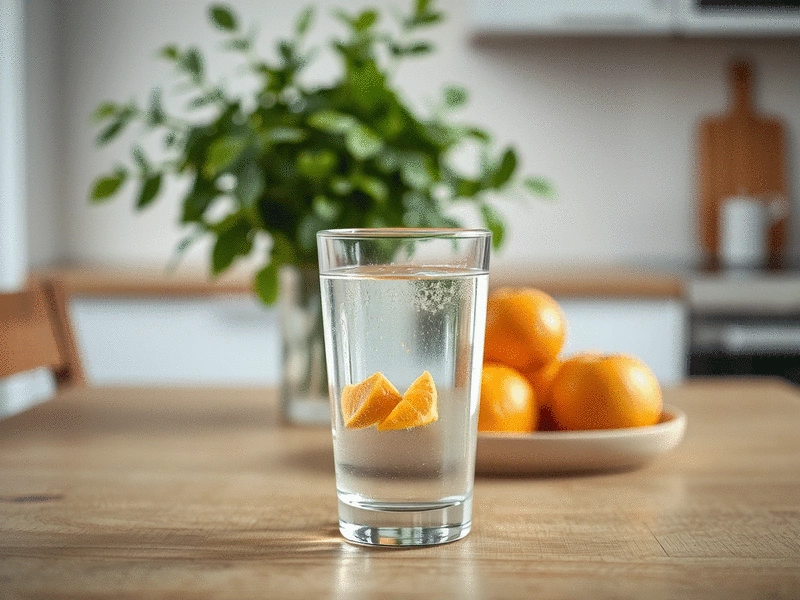
What if the key to a healthier digestive system is as simple as drinking more water? The connection between fluid intake and stool consistency is profound, and understanding it can transform your digestive health. Let’s explore the vital insights you can gain from this article.
What You Will Learn
- Adequate fluid intake is essential for maintaining soft and easy-to-pass stools.
- Hydration facilitates mucus production and helps dissolve soluble fiber, improving stool texture.
- Not all fluids are equal; plain water is the best choice for hydration.
- Fiber works synergistically with fluids to promote regular bowel movements and prevent constipation.
- Aim for eight 8-ounce glasses of water daily, increasing intake with fiber consumption.
- Incorporate fiber-rich foods like fruits, vegetables, and whole grains to enhance stool softness.
- Monitor your body's signals to adjust fluid and fiber intake effectively.
- Develop healthy hydration habits to support your digestive health over time.
The Hydration-Fiber-Stool Connection: A Visual Guide
This visual summarizes how fluid intake and fiber consumption synergistically impact stool consistency and digestive health.
💦 Fluid Intake: The Foundation
Adequate hydration (8 glasses/day) keeps stool moist, promoting smoother passage and reducing friction.
- Stimulates mucus production
- Helps dissolve soluble fiber
- Reduces strain during movements
🍎 Fiber: Bulk & Softening
Fiber absorbs water, adding bulk to stool and making it softer. Works best with fluids!
- Fruits & Vegetables (e.g., apples, broccoli)
- Whole Grains (e.g., oats, quinoa)
- Increases stool volume
Understanding the Connection Between Fluid Intake and Stool Softening
When it comes to digestive health, one of the most important factors you can control is your fluid intake. The connection between how much you drink and the softness of your stool is crucial. Adequate hydration plays a key role in ensuring your stools remain hydrated and easy to pass. Without sufficient fluid, the body absorbs too much water from the waste material, causing stool to become hard and difficult to eliminate. Let’s dive into the physiological mechanisms behind this process!
How Hydration Affects Stool Consistency
Hydration is vital for your digestive system's functionality. When you consume enough fluids, your intestines can absorb water effectively, which helps keep your stool moist. This moisture is essential because it reduces friction within the intestines and promotes smoother passage of waste. Conversely, dehydration leads to compacted stool that can cause discomfort and constipation. Research published in Medical Sciences (Basel) highlights the critical role of adequate fluid intake in preventing and managing chronic constipation.
- Fluid intake stimulates mucus production in the intestines.
- Water helps dissolve soluble fiber, improving stool texture.
- Hydrated stool is softer and easier to pass, reducing strain during bowel movements.
It’s fascinating how something as simple as drinking water can profoundly impact your digestive health! So, maintaining an adequate level of hydration can be a simple yet effective way to support your body’s natural processes.
The Role of Different Fluids in Digestive Health
Not all fluids are created equal when it comes to promoting digestive health. While plain water is a fantastic choice, you might wonder how other beverages compare. Let's explore a few options:
- Plain Water: The best choice for hydration without added sugars or calories. The Harvard T.H. Chan School of Public Health emphasizes water as the optimal beverage for staying hydrated.
- Electrolyte Drinks: These can be beneficial for replenishing lost minerals, especially after exercise, but watch out for added sugars!
- Mineral Water: Rich in minerals, it can aid digestion and has the added benefit of potentially promoting regular bowel movements.
By incorporating a variety of these fluids into your diet, you can enhance your hydration levels and support your digestive process. Just remember, drinking water should still be your go-to method for staying hydrated.
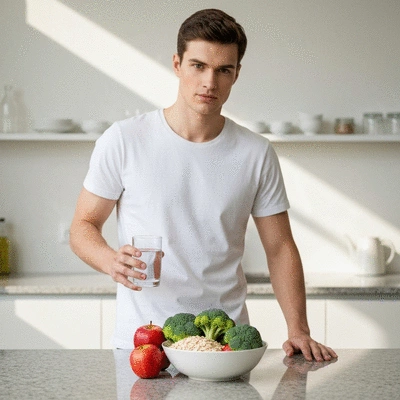
Exploring the Relationship Between Fiber and Fluid Consumption
Now that we've discussed hydration, let's pivot to another essential element in stool management: dietary fiber. You might be surprised at how intertwined fiber and fluid consumption are in promoting healthy bowel movements!
The Importance of Dietary Fiber in Stool Management
Fiber plays a crucial role in your digestive health by retaining water in the digestive system. When fiber absorbs water, it swells and adds bulk to your stool, which is essential for regular bowel movements. This softening effect is especially important for those struggling with constipation. Remember, fiber works best when paired with adequate hydration, as they complement each other beautifully! A recent study published in JAMA Network Open reinforces the significant benefits of dietary fiber in improving bowel regularity and overall gut health.
Fiber-Rich Foods that Aid Stool Softening
Incorporating fiber-rich foods into your diet is not only beneficial for your digestive health, but also enjoyable! Here are some delicious options:
- Fruits: Apples, bananas, and berries are excellent sources of fiber.
- Vegetables: Carrots, broccoli, and leafy greens can contribute significantly to your fiber intake.
- Whole Grains: Oats, quinoa, and whole wheat products are fantastic ways to up your fiber game.
By including these foods in your meals, you're not only enhancing your fiber intake but also helping to keep your stool soft and easier to pass. It’s all about finding that balance!
Practical Recommendations for Fluid Intake Based on Dietary Fiber
To achieve optimal stool softening and bowel regularity, it's important to balance your fluid and fiber intake. Here are some practical guidelines:
- Aim to drink at least eight 8-ounce glasses of water daily.
- For every 5 grams of fiber consumed, try to increase your fluid intake by an extra glass of water.
- Monitor your body’s signals—if you're feeling constipated, consider increasing both fiber and fluid intake until you find what works for you.
By following these recommendations, you can support your digestive system and help prevent the discomfort of constipation. Remember, every small change can lead to big results in your digestive health!
Pro Tip
To enhance the effectiveness of your hydration efforts, consider incorporating herbal teas or infused water with fruits like lemon or cucumber. These options not only add flavor but can also make drinking water more enjoyable, encouraging you to meet your daily fluid intake goals!
Frequently Asked Questions (FAQs)
Why is fluid intake so important for stool softening?
Adequate fluid intake is crucial because it keeps stool moist and soft, making it easier to pass. Without enough fluids, the body reabsorbs water from waste, leading to hard, difficult-to-eliminate stools.
How much water should I drink daily for optimal digestive health?
It's generally recommended to drink at least eight 8-ounce glasses of water daily. This amount may need to be increased if you consume more fiber or are physically active.
Are all fluids equally effective for hydration and stool softening?
No, plain water is the best choice for hydration without added sugars or calories. While electrolyte drinks and mineral water can be beneficial, plain water should be your primary source of fluid intake.
How does fiber interact with fluid intake to promote healthy bowel movements?
Fiber absorbs water, adding bulk to your stool and making it softer. This process is most effective when combined with adequate fluid intake, as the fluids allow the fiber to swell and work properly.
What are some fiber-rich foods that can help with stool softening?
Excellent sources of fiber include fruits (like apples, bananas, berries), vegetables (such as carrots, broccoli, leafy greens), and whole grains (like oats, quinoa, and whole wheat products).
Summarizing the Importance of Adequate Fluid Intake
It's clear that proper hydration plays a pivotal role in aiding stool softening and promoting regular bowel movements. When you drink enough fluids, your body can maintain the necessary moisture in your stool, making it easier to pass. This simple yet crucial aspect of digestive health is often overlooked, but it can significantly enhance your overall comfort.
By staying hydrated, you also support the physiological functions of your digestive system. This means keeping things moving smoothly, reducing discomfort, and minimizing constipation. Trust me, making hydration a priority in your daily routine can lead to noticeable improvements in your bowel health!

Encouraging Healthy Hydration Habits
Making sure you drink enough fluids daily is easier than you might think! Here are some actionable tips to help you maintain adequate fluid intake:
- Carry a reusable water bottle to remind yourself to drink throughout the day.
- Set hydration goals, such as drinking a glass of water with every meal.
- Include hydrating foods in your diet, like fruits and vegetables—think cucumbers and watermelon!
- Track your intake with a hydration app to stay accountable.
As you implement these habits, take a moment to assess how your body responds. You might find that simple adjustments can yield fantastic results for your digestive health!
Next Steps for Managing Constipation and Improving Bowel Health
Now that we've covered the importance of hydration, it's time to take action! I encourage you to assess your hydration habits. Are you drinking enough fluids daily? What changes can you make to support better digestive function? Remember, small changes can lead to significant improvements in how you feel.
Additionally, consider incorporating fiber-rich foods alongside your fluid intake for a synergistic effect. This can truly help in achieving optimal bowel regularity. If you're unsure where to start, don't hesitate to reach out for guidance.
Consulting Medical Professionals for Personalized Health Recommendations
Lastly, never underestimate the value of consulting with a medical professional. Personalized advice tailored to your specific health needs can make a world of difference. Whether you're grappling with chronic constipation or simply want to optimize your hydration strategies, seeking expert guidance is a wise step toward achieving your health goals. Remember, you don’t have to navigate this journey alone—I'm here to support you!
Recap of Key Points
Here is a quick recap of the important points discussed in the article:
- Adequate fluid intake is essential for maintaining stool softness and preventing constipation.
- Plain water is the best hydration choice; other fluids can supplement but should be consumed mindfully.
- Fiber and fluid consumption work synergistically to promote healthy bowel movements.
- Incorporate fiber-rich foods, such as fruits, vegetables, and whole grains, to aid in stool softening.
- Aim for at least eight 8-ounce glasses of water daily, adjusting based on fiber intake.
- Develop healthy hydration habits by tracking intake and setting daily goals.

Dr. Clara Middleton
As a dedicated gastroenterologist with over a decade of experience, I'm passionate about empowering you with evidence-based insights into digestive wellness. At Constipation Solutions Co., we believe in natural remedies and lifestyle modifications to achieve optimal digestive comfort. My mission is to bridge the gap between medical expertise and everyday well-being, providing reliable, research-backed information to help you navigate your digestive challenges with confidence.
Popular Posts
Daily Exercise for Digestive Health
![How to Develop a Daily Exercise Routine to Prevent Constipation and Enhance Digestive Comfort]() Did you know that incorporating daily exercise can dramatically improve your digestive health? Regul
Did you know that incorporating daily exercise can dramatically improve your digestive health? Regul
 Did you know that incorporating daily exercise can dramatically improve your digestive health? Regul
Personalized Hydration for Constipation Relief
![Creating a Personalized Hydration Plan for Constipation Management]() Did you know that staying hydrated can significantly improve your digestive health? Understanding th
Did you know that staying hydrated can significantly improve your digestive health? Understanding th
 Did you know that staying hydrated can significantly improve your digestive health? Understanding th
Affordable Constipation Medication Options
![Cost and Accessibility of Constipation Medications: Tips for Finding Affordable Options]() Understanding your financial options when it comes to constipation treatments can empower you to mak
Understanding your financial options when it comes to constipation treatments can empower you to mak
 Understanding your financial options when it comes to constipation treatments can empower you to mak
Biofeedback for Constipation Relief
![Pelvic Floor Biofeedback and Exercise: A Drug-Free Approach to Constipation]() Struggling with constipation can be frustrating, but you don’t have to face it alone. Pelvic floor
Struggling with constipation can be frustrating, but you don’t have to face it alone. Pelvic floor
 Struggling with constipation can be frustrating, but you don’t have to face it alone. Pelvic floor
