Pelvic Floor Therapy for Constipation
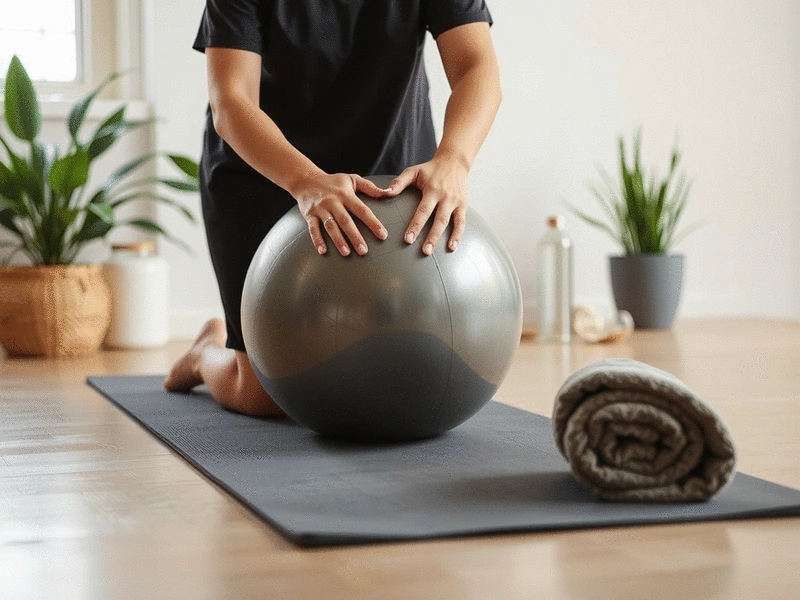
Have you ever felt that uncomfortable heaviness in your stomach, unsure of why your digestive system isn't cooperating? Understanding the connection between pelvic floor dysfunction and constipation might just be the key to unlocking a more comfortable life. Let’s delve into this important topic!
What You Will Learn
- The pelvic floor supports digestive health, and its dysfunction can lead to constipation.
- Common symptoms of pelvic floor dysfunction include difficulty with bowel movements and urinary issues.
- Strengthening pelvic floor muscles can significantly improve bowel control and relieve constipation.
- Creating a personalized routine and seeking professional support can enhance treatment outcomes.
Understanding Pelvic Floor Dysfunction & Constipation
The intricate connection between pelvic floor function and digestive health is often overlooked. This visual highlights how pelvic floor dysfunction can manifest and contribute to constipation, as well as the key areas targeted for relief.
What is Pelvic Floor Dysfunction?
Muscles can't properly contract or relax, impacting bowel movements and GI health.
- Inability to control bowel movements
- Pain during bowel movements
- Increased urgency with difficulty passing stool
How PFD Contributes to Constipation
When muscles don't function correctly, they hinder waste movement and make stool harder to pass.
- Weak muscles don't assist bowel movements
- Inability to relax during defecation
- Increased tension exacerbates pain/discomfort
Key Pelvic Floor Exercises & Techniques
Targeted exercises can improve bowel function and alleviate constipation.
- Kegel exercises for strengthening
- Stretching for relaxation & tension relief
- Breathing exercises for coordination
- Core strengthening for better bowel health
Benefits of Pelvic Floor Therapy
Empowering individuals with knowledge and skills for effective condition management.
- Personalized approach to unique needs
- Improved control over bowel movements
- Reduced pain and discomfort
Understanding the Connection Between Pelvic Floor Dysfunction and Constipation
Many people don't realize how important the pelvic floor is to our overall digestive health. When it's functioning well, it supports not only bowel movements but also our overall comfort. However, when something goes awry, it can lead to uncomfortable conditions like constipation. Let’s explore this connection in detail!
The pelvic floor consists of muscles and tissues that support our pelvic organs, including the bladder, uterus, and rectum. When these muscles are weakened or not functioning properly, it can lead to a range of issues, including constipation.
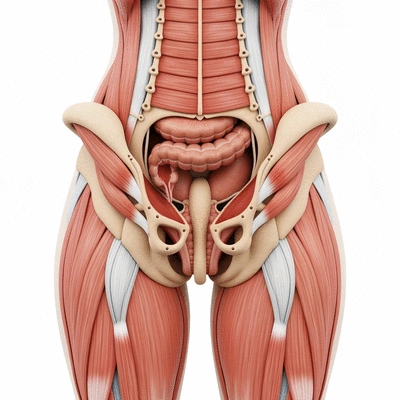
What Is Pelvic Floor Dysfunction?
Pelvic floor dysfunction refers to a range of disorders that occur when the pelvic floor muscles are not able to properly contract or relax. This dysfunction can lead to muscular imbalances that can severely impact bowel movements and overall gastrointestinal health. According to the National Institutes of Health, pelvic floor disorders including dysfunction are common and can significantly affect quality of life.
- Inability to control bowel movements
- Pain during bowel movements
- Increased urgency to go but difficulty in doing so
These issues can stem from various causes including childbirth, surgery, aging, or even chronic stress. Understanding these causes is crucial for finding effective solutions!
How Pelvic Floor Issues Contribute to Constipation
When the pelvic floor muscles are not functioning correctly, they can hinder the normal movement of waste through the intestines. This disruption may lead to a harder stool that is difficult to pass, thereby resulting in constipation. It's interesting to note that the way we sit or position ourselves can influence this as well! New guidelines for the management of chronic constipation emphasize a comprehensive approach including behavioral and physical therapies, as highlighted by EMJ Gastroenterology.
- Weak pelvic floor muscles that do not adequately assist in bowel movements
- Inability to relax the pelvic floor during attempts to defecate
- Increased tension in the pelvic area that can exacerbate pain and discomfort
Recognizing these factors can help pinpoint the challenges and lead to effective treatments. By addressing pelvic floor dysfunction, we can often find relief from constipation!
Identifying Symptoms of Pelvic Floor Dysfunction
It’s essential to be aware of the symptoms that may indicate pelvic floor dysfunction. Early recognition can facilitate quicker intervention and treatment, improving your quality of life. Below are some common signs:
- Difficulty starting or stopping urination
- Frequent urinary tract infections
- Feeling of incomplete bowel emptying
If you notice these symptoms, know that you’re not alone—many experience similar challenges. Consulting with a healthcare provider can provide clarity and direction for treatment!
Exploring the Role of Pelvic Floor Muscles in Constipation Relief
The pelvic floor muscles play a critical role in managing and alleviating constipation. By engaging and strengthening these muscles, you can help improve your overall bowel function. As detailed by the American Physical Therapy Association (APTA), physical therapy is a key component in the management of functional constipation in adults. Here’s how:
- Strengthening these muscles can enhance control over bowel movements.
- Improved coordination between the pelvic floor and abdominal muscles can lead to more effective contractions during bowel movements.
- Relaxation techniques can ease tension, making it easier to pass stool.
Remember, it's all about finding the right balance! Your journey toward digestive comfort can include exercises that specifically target these essential muscles. Let’s take that next step together!
Pro Tip
Did you know? Incorporating regular pelvic floor exercises can significantly enhance your bowel control and alleviate constipation symptoms. Aim to practice these exercises daily, starting with just a few repetitions, and gradually increase as you build strength and confidence!
Moving Forward: Your Path to Constipation Relief
As we wrap up our conversation about pelvic floor health, it's essential to remember that the journey to constipation relief is not a race. By incorporating the exercises and techniques we’ve discussed, you can begin to pave your own path toward improved digestive wellness. These exercises are designed not only to strengthen your pelvic floor but also to enhance your overall quality of life.
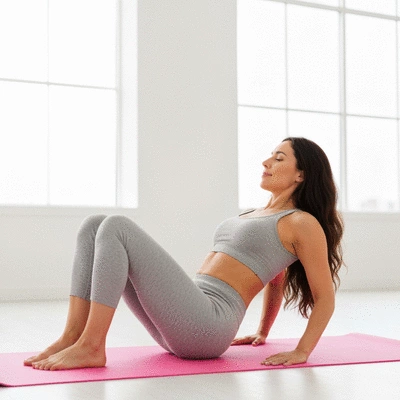
Here’s a quick recap of some key pelvic floor exercises and techniques:
- Kegel exercises for strengthening pelvic muscles
- Stretching techniques for relaxation and tension relief
- Breathing exercises to improve coordination and relaxation
- Core strengthening for better bowel health
Each of these elements plays a vital role in helping your body function optimally. Remember, consistency is key! So don’t hesitate to start integrating these into your daily routine.
Encouragement to Start Your Pelvic Floor Therapy Journey
Taking the first step can sometimes feel daunting, but I assure you, it's a step worth taking! Start with small, manageable goals, and gradually build upon them. Embrace the journey of pelvic floor therapy as an empowering experience that can lead to significant improvements in your digestive health.
Many individuals have successfully navigated similar paths, and you can too! Whether you tackle a few Kegel exercises each day or dedicate time to gentle stretches, every effort counts toward achieving relief. Remember, you are not alone on this journey! Seeking support, whether through friends, family, or a professional, can make all the difference.
Frequently Asked Questions About Pelvic Floor Physical Therapy
What Should I Expect from Pelvic Floor Physical Therapy?
When you embark on pelvic floor physical therapy, expect a personalized approach tailored to your unique needs. You’ll work closely with a physical therapist who specializes in pelvic health, focusing on exercises that target your specific concerns. The goal is to empower you with the knowledge and skills to manage your condition effectively.
How Long Does It Take to See Improvements?
Improvement timelines can vary significantly from person to person. Generally, many individuals start noticing changes within a few weeks of consistent practice. Factors such as individual health conditions, the severity of symptoms, and commitment to the exercises all play a role. Remember, patience is key! Celebrate the small victories along the way.
What to Do If Exercises Cause Pain?
If you experience pain during your exercises, listen to your body! It’s essential to stop and assess what you might be doing incorrectly. Consult with your physical therapist to modify your routine or explore alternative exercises that suit your comfort level better. Pain is not a necessary part of the healing process, and adjustments can help you find a more suitable approach.
How Does Patient Education Enhance Treatment Outcomes?
Education is a powerful tool in managing constipation and pelvic floor issues. When you understand the anatomy, mechanics, and the purpose of each exercise, you can engage more effectively in your treatment. At Constipation Solutions Co., we aim to empower you with knowledge—whether through our articles, guides, or consultations—so you can take charge of your health confidently!
Your Next Steps for Constipation Management
Creating a Personalized Routine for Relief
Think about what a personalized routine would look like for you. It might include specific exercises, dietary adjustments, and hydration goals. Take a moment to jot down a plan that feels achievable and tailored to your lifestyle. Consider using a journal to track your progress and feelings about your routine!
Connecting with Professionals for Tailored Support
Don’t hesitate to reach out to healthcare professionals who can provide specialized advice and support. A gastroenterologist or physical therapist can help you develop a comprehensive plan that addresses your unique situation. Remember, investing in your health is an investment in your future comfort!
Exploring Community Resources and Support Groups for Ongoing Motivation
Finding a community can provide you with invaluable support and encouragement. Look for local or online support groups focused on digestive health or pelvic floor therapy. Sharing experiences and tips with others who understand your journey can be incredibly motivating. You’re on this path together!
Recap of Key Points
Here is a quick recap of the important points discussed in the article:
- Pelvic floor dysfunction can significantly impact bowel movements and contribute to constipation.
- Common symptoms of pelvic floor dysfunction include difficulty with bowel movements, urinary issues, and pain during these processes.
- Strengthening pelvic floor muscles through targeted exercises can improve bowel function and alleviate constipation.
- Recognizing symptoms early and consulting healthcare professionals can enhance treatment outcomes.
- Incorporating a personalized routine, including exercises and dietary adjustments, is key to managing constipation effectively.

Dr. Clara Middleton
As a dedicated gastroenterologist with over a decade of experience, I'm passionate about empowering you with evidence-based insights into digestive wellness. At Constipation Solutions Co., we believe in natural remedies and lifestyle modifications to achieve optimal digestive comfort. My mission is to bridge the gap between medical expertise and everyday well-being, providing reliable, research-backed information to help you navigate your digestive challenges with confidence.
Popular Posts
Daily Exercise for Digestive Health
![How to Develop a Daily Exercise Routine to Prevent Constipation and Enhance Digestive Comfort]() Did you know that incorporating daily exercise can dramatically improve your digestive health? Regul
Did you know that incorporating daily exercise can dramatically improve your digestive health? Regul
 Did you know that incorporating daily exercise can dramatically improve your digestive health? Regul
Personalized Hydration for Constipation Relief
![Creating a Personalized Hydration Plan for Constipation Management]() Did you know that staying hydrated can significantly improve your digestive health? Understanding th
Did you know that staying hydrated can significantly improve your digestive health? Understanding th
 Did you know that staying hydrated can significantly improve your digestive health? Understanding th
Affordable Constipation Medication Options
![Cost and Accessibility of Constipation Medications: Tips for Finding Affordable Options]() Understanding your financial options when it comes to constipation treatments can empower you to mak
Understanding your financial options when it comes to constipation treatments can empower you to mak
 Understanding your financial options when it comes to constipation treatments can empower you to mak
Biofeedback for Constipation Relief
![Pelvic Floor Biofeedback and Exercise: A Drug-Free Approach to Constipation]() Struggling with constipation can be frustrating, but you don’t have to face it alone. Pelvic floor
Struggling with constipation can be frustrating, but you don’t have to face it alone. Pelvic floor
 Struggling with constipation can be frustrating, but you don’t have to face it alone. Pelvic floor
