Have you ever considered how the grains you choose can impact your health? The differences between whole and refined grains are profound, affecting everything from your digestive health to your risk of chronic diseases. Understanding these distinctions can empower you to make better dietary choices!
What You Will Learn
Whole grains contain bran, germ, and endosperm, offering a complete package of nutrients crucial for health.
Choosing whole grains can lead to enhanced digestive health, reduced risk of chronic diseases, and sustained energy levels.
Refined grains lose essential nutrients during processing, often leading to digestive discomfort and lower energy.
Incorporating whole grains into your diet can improve heart health, aid in weight management, and enhance insulin sensitivity.
Whole Grains vs. Refined Grains: A Nutritional Comparison
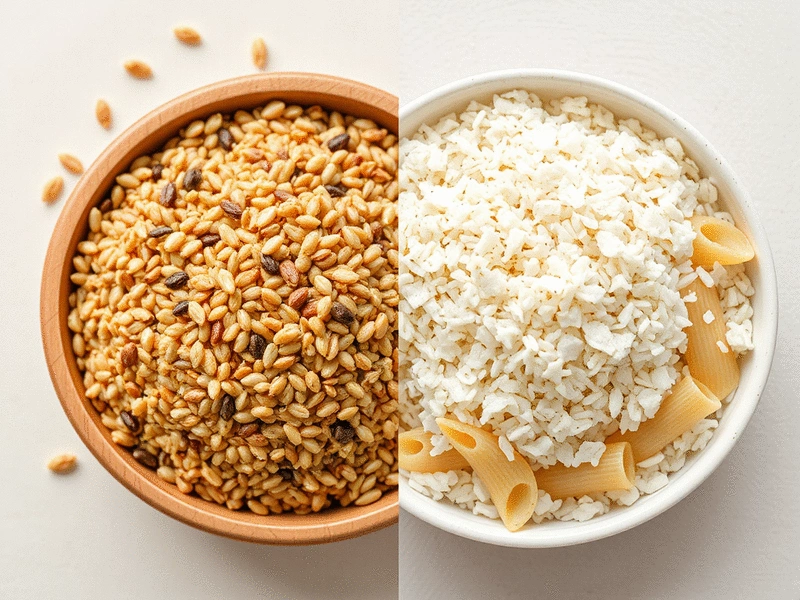
This visual highlights the fundamental differences between whole grains and refined grains in terms of their composition and health impact.
Whole Grains
Composition: Contains all three parts – Bran, Germ, and Endosperm.
Nutritional Value: Rich in fiber, vitamins (B vitamins), minerals, and healthy fats.
Health Impact: Supports digestive health, helps prevent constipation, reduces risk of chronic diseases (heart disease, type 2 diabetes, certain cancers), aids in weight management, and stabilizes blood sugar.
Complete Nutrients
Refined Grains
Composition: Only Endosperm remains; Bran and Germ are removed during processing.
Nutritional Value: Stripped of most fiber, vitamins, minerals, and healthy fats. Primarily starch.
Health Impact: Lacks digestive support, can contribute to constipation, offers little nutritional benefit, and may cause blood sugar spikes.
Nutrient Stripped
Understanding Whole Grains and Refined Grains: Key Differences
When it comes to our diets, the choice between whole grains and refined grains can significantly impact our health. But what exactly are these grains, and why should you care? In this section, we'll dive into the fundamental differences between whole and refined grains, exploring their nutritional value and how they affect your overall well-being.
As a gastroenterologist, I've seen firsthand how dietary choices can influence digestive health. With the right information, you can make better choices that promote smooth digestion and comfort!
What Are Whole Grains and Their Nutritional Composition?
Defining Whole Grains: Bran, Germ, and Endosperm
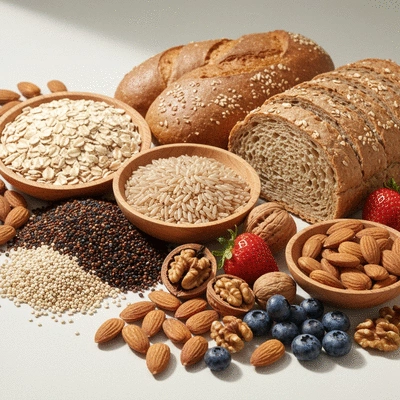
Whole grains are composed of three essential parts: the bran, germ, and endosperm. The bran is the outer layer, rich in fiber and antioxidants, while the germ contains vitamins and healthy fats. The endosperm, which is the largest part, provides carbohydrates and some protein. Together, these components offer a complete package of nutrients.
This combination helps whole grains retain their natural goodness, making them a superior choice for your health. Incorporating whole grains into your meals can lead to better digestive outcomes!
The Health Benefits of Retained Nutrients in Whole Grains
Whole grains are packed with nutrients that are often lost during the refining process. Some of these benefits include:
Higher Fiber Content: Supports digestive health and regularity
Rich in Vitamins: Essential nutrients like B vitamins and antioxidants
Healthy Fats: Found in the germ, promoting heart health
By choosing whole grains, you're not just making a healthier choice; you're also enhancing your body's ability to function optimally. It's a simple switch that can lead to big changes! For more detailed information on the benefits and types of whole grains, you can refer to resources like the Harvard T.H. Chan School of Public Health's guide on whole grains.
Popular Whole Grain Options: Whole Wheat, Brown Rice, and Quinoa
Some delicious and nutritious whole grain options include:
Whole Wheat: Great for bread, pasta, and baked goods
Brown Rice: A versatile side dish that pairs well with many meals
Quinoa: A protein-packed seed that’s perfect in salads or as a side
These grains can easily be integrated into your diet. They offer not just flavor but also numerous health advantages that will keep your digestive system functioning well!
The Role of Refined Grains: Nutrient Stripping Explained
How Processing Affects Nutritional Value: The Case of Refined Grains
Refined grains are grains that have been processed to remove the bran and germ, leaving only the starchy endosperm. This process strips away much of the fiber, vitamins, and minerals, resulting in a product that offers little nutritional benefit.
Unfortunately, many common foods, like white bread and pastries, use refined grains. While they may be convenient, they often lead to digestive discomfort and less energy. It’s essential to understand how these choices affect your health!
Common Refined Grains and Their Nutritional Shortcomings
Some common refined grains include:
White Rice: Lower in fiber and nutrients compared to brown rice
White Bread: Lacks the fiber and vitamins found in whole wheat
Pasta Made from Refined Flour: Less filling and may spike blood sugar
Recognizing these options is crucial for making informed dietary choices. You deserve to feel your best, and choosing whole grains can help you achieve that!
Understanding Refined Flour and Its Impact on Health
Refined flour, primarily used in many baked goods, poses several health risks. Beyond lacking essential nutrients, it can contribute to issues like constipation and other digestive problems. The absence of fiber in refined flour means less digestive support, which is where whole grains shine.
As you consider your food choices, keep in mind the importance of fiber-rich options for maintaining digestive health. Small changes can lead to significant improvements in how you feel!
Pro Tip
Did you know? Incorporating just one serving of whole grains into your daily meals can significantly enhance your fiber intake. This simple change can improve your digestion and help you feel fuller longer, making it easier to manage your weight and overall health!
Long-Term Benefits of Whole Grain Consumption: A Summary
When it comes to eating for better health, whole grains should definitely be a priority on your plate! Not only do they support your digestive system, but they also offer a plethora of benefits that contribute to overall well-being. As a gastroenterologist, I’ve seen firsthand how incorporating whole grains into your diet can make a significant difference in how you feel.
Let’s recap some key benefits of whole grains:
Enhanced Digestive Health: Whole grains provide essential dietary fiber, which prevents constipation and promotes regular bowel movements.
Reduced Risk of Chronic Diseases: They are linked to lower risks of heart disease, type 2 diabetes, and certain cancers.
Sustained Energy Levels: Whole grains help maintain steady blood sugar levels, which is crucial for consistent energy throughout the day.
These benefits all play a critical role in promoting a healthier lifestyle. By choosing whole grains, you’re not only nourishing your body but also setting up a foundation for long-term health!
Why Prioritize Whole Grains for Digestive and Overall Health?
As we’ve discussed, the benefits of whole grains extend beyond just digestion. It's fascinating how these foods can impact various health conditions positively. Studies have shown that people who consume whole grains regularly often experience lower rates of conditions such as obesity and hypertension.
Heart Health: Whole grains like oats and barley have been shown to reduce cholesterol levels.
Weight Management: Their high fiber content helps you feel full longer, making it easier to manage your weight.
Diabetes Management: Regular consumption can improve insulin sensitivity, which is crucial for managing blood sugar levels.
Understanding how whole grains contribute to these health benefits can motivate you to make them a staple in your diet. It's all about making informed choices that align with your health goals!
Recapping the Key Health Benefits of Whole Grains
Whole grains are not just a trendy food choice; they are a vital part of a balanced diet. Here’s a quick recap of their health benefits:
Promotes digestive health and prevents constipation
Supports heart health and lowers cholesterol
Aids in weight management and energy regulation
Reduces risk of chronic diseases
By keeping these benefits in mind, you’ll have a clearer perspective on why whole grains should be prioritized in your meals!
Understanding Risk Reduction Across Various Health Conditions
It's crucial to recognize how adopting a whole grain-rich diet can influence your health positively. Not only do whole grains enhance digestive function, but they also contribute to risk reduction across various health conditions. For instance, research indicates that individuals who consume high amounts of whole grains tend to have lower rates of heart disease and diabetes. You can find more information on the impact of whole grains on chronic diseases in this review on the health benefits of whole cereals and this study on whole grains and health outcomes.
Here are some specific health conditions where whole grains can make a difference:
Cardiovascular Diseases: Whole grains can improve heart health and reduce the risk of heart-related issues.
Type 2 Diabetes: They help regulate blood sugar levels and improve insulin sensitivity.
Certain Cancers: Whole grains may lower risks of colorectal and breast cancers.
By understanding these risk factors, you empower yourself to make better dietary choices that support your long-term health.
The Role of Whole Grains in Sustainable Dietary Patterns
Incorporating whole grains into your diet isn’t just beneficial for you; it also promotes a more sustainable way of eating. By choosing whole grains over refined options, you contribute to a food system that emphasizes natural and less processed foods. This choice aligns with my mission at Constipation Solutions Co. to encourage healthier lifestyles and digestive wellness.
Whole grains often come from farming practices that are more sustainable, meaning you can feel good about your food choices while reaping their benefits. It’s a win-win situation!
FAQs About Whole Grains vs. Refined Grains
What are the key differences between whole grains and refined grains?
Whole grains contain all three parts of the grain kernel: the bran, germ, and endosperm, making them rich in fiber, vitamins, and minerals. Refined grains have the bran and germ removed during processing, stripping them of most of their nutritional value, leaving primarily starch.
Why are whole grains considered healthier than refined grains?
Whole grains offer numerous health benefits due to their complete nutritional profile. They support digestive health, help prevent chronic diseases like heart disease and type 2 diabetes, aid in weight management, and provide sustained energy levels. Refined grains lack these benefits and can lead to blood sugar spikes and digestive issues.
What are some examples of whole grains I can incorporate into my diet?
Popular and delicious whole grain options include whole wheat (for bread and pasta), brown rice, quinoa, oats, barley, and rye. These can be easily integrated into various meals.
How can I identify whole grain products in the store?
Look for labels that explicitly state "100% whole grain" or "100% whole wheat" as the first ingredient. Terms like "multigrain" or "wheat flour" alone do not guarantee a product is whole grain.
Can switching to whole grains help with weight management?
Yes, the high fiber content in whole grains helps you feel fuller for longer, which can reduce overall calorie intake and support weight management goals. They also help stabilize blood sugar, preventing energy crashes that can lead to unhealthy snacking.
Encouraging Sustainable Dietary Changes for Better Health
Making dietary changes can be challenging, but with the right strategies, it’s absolutely achievable! Here are some practical steps to help you incorporate more whole grains into your meals:
Start Slow: Gradually substitute whole grains for refined ones in your diet.
Experiment with Recipes: Explore new dishes featuring whole grains like quinoa, barley, or brown rice.
Read Labels: Look for products that specifically indicate "100% whole grain" for the best choices.
These tips can help you transition smoothly while enjoying the delicious flavors and health benefits of whole grains!
Behavioral Strategies for Maintaining Whole Grain Consumption
Establishing new eating habits takes time and persistence. It’s essential to stay motivated! Here are some behavioral strategies that I have found effective when guiding my patients:
Set Specific Goals: Decide how often you want to include whole grains in your meals each week.
Keep It Visible: Place whole grain products in easy-to-reach spots in your kitchen.
Join a Community: Engage with friends or groups who share the same goals for healthy eating.
These strategies can make the journey toward a whole grain-rich diet more enjoyable and sustainable!
Final Thoughts on Making Informed Grain Choices
In conclusion, prioritizing whole grains not only supports your digestive health but also has far-reaching benefits for your overall well-being. With a little effort and the right strategies, you can seamlessly incorporate these nutritious foods into your daily routine. Remember, it’s about making choices that align with your health goals and lifestyle!
At Constipation Solutions Co., we’re here to support you on your journey toward better digestive health. Let’s embrace the power of whole grains together!
Recap of Key Points
Whole Grains vs. Refined Grains: Whole grains contain bran, germ, and endosperm, offering more nutrients compared to refined grains, which lack fiber and essential vitamins.
Health Benefits: Consuming whole grains enhances digestive health, reduces the risk of chronic diseases, and helps maintain steady energy levels.
Popular Choices: Incorporate whole grains like whole wheat, brown rice, and quinoa into your diet for a nutritious boost.
Transition Strategies: Start by gradually substituting whole grains for refined ones, experimenting with recipes, and reading labels for whole grain products.
Dr. Clara Middleton
As a dedicated gastroenterologist with over a decade of experience, I'm passionate about empowering you with evidence-based insights into digestive wellness. At Constipation Solutions Co., we believe in natural remedies and lifestyle modifications to achieve optimal digestive comfort. My mission is to bridge the gap between medical expertise and everyday well-being, providing reliable, research-backed information to help you navigate your digestive challenges with confidence.
Constipation Solutions Co. is dedicated to empowering you to take control of your digestive health. Our mission is to provide reliable, research-backed information and natural solutions for constipation, helping you achieve optimal digestive comfort and overall well-being.
Kick off your digestive health journey by understanding your body's signals. Recognizing what triggers discomfort is the first step to finding relief!
Don’t underestimate the power of hydration. Adequate water intake is crucial for soft stools and regular bowel movements!
Utilize fiber-rich foods in your diet. They add bulk to your stool, making it easier to pass and promoting digestive regularity.
Ensure your daily routine includes physical activity. Even a short walk can stimulate your digestive system and help prevent constipation.
Focus on mindful eating. Chewing your food thoroughly and eating slowly can significantly aid digestion and prevent discomfort.
Leverage natural remedies like prunes or magnesium. These can be gentle yet effective in promoting bowel movements.
Create a consistent bathroom routine. Training your body to have bowel movements at the same time each day can improve regularity.
Regularly update your knowledge on digestive health. Fresh insights can help you adapt and improve your personal wellness strategy.
Use descriptive language when discussing symptoms with your doctor. Clear communication leads to more accurate diagnoses and effective treatments.
Incorporate stress reduction techniques. Stress can significantly impact gut health, so relaxation is key to digestive comfort.
Implement a food diary. Tracking what you eat can help identify specific foods that might be contributing to your constipation.
Optimize your posture during bowel movements. Using a squatty potty or footstool can make passing stool easier and more complete.
Encourage sharing your experiences and tips with others. A supportive community can provide valuable insights and encouragement.
Monitor and improve your gut microbiome. Probiotics and fermented foods can help maintain a healthy balance of gut bacteria.
Include a clear call-to-action in every post. This boosts engagement and guides readers to take the next step towards mastering their digestive wellness!