Stool Softeners: Docusate Sodium / Calcium
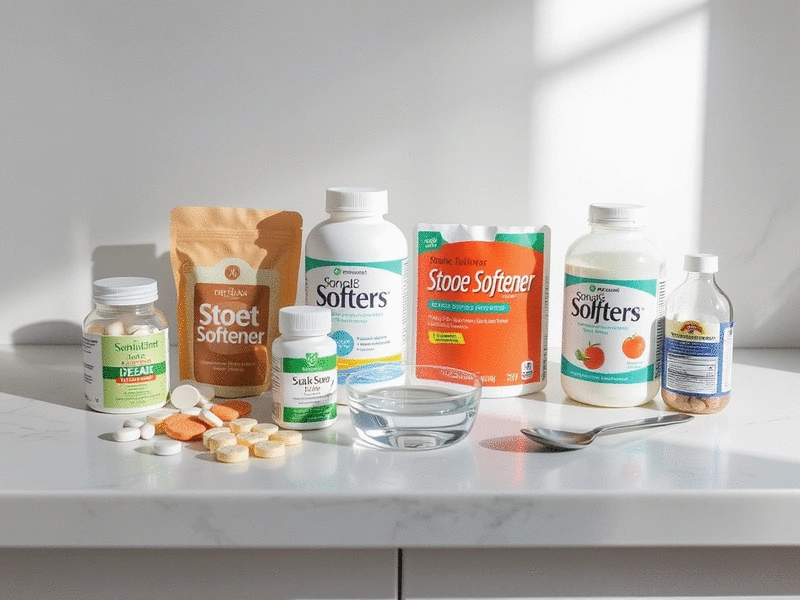
Help moisten stool by drawing water into intestines, making it softer and easier to pass. Ideal when straining should be avoided.
Mechanism: Emollient Gentle action
Have you ever found yourself grappling with discomfort due to constipation, wondering about the most effective ways to seek relief? Understanding stool softeners could be the key to your digestive health journey. Let’s break down what you need to know!
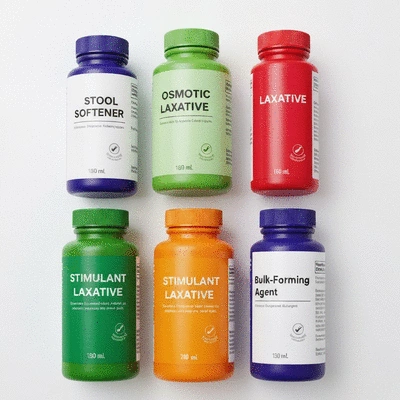
Understanding the different mechanisms of laxatives can help you choose the most suitable option for your needs.
Help moisten stool by drawing water into intestines, making it softer and easier to pass. Ideal when straining should be avoided.
Draw water into the intestines to soften stool. Good for chronic constipation.
Prompt intestines to contract, inducing bowel movement. Effective for immediate relief but can cause cramping.
Natural options that increase stool bulk and water content for easier passage.
When it comes to constipation relief, stool softeners can play a significant role in restoring your digestive comfort. But what exactly are they? In this section, we'll explore the ins and outs of stool softeners, how they work, and how they differ from other laxatives. Let’s dive into these important details together!
Stool softeners, such as docusate sodium, help to moisten the stool by drawing water into the intestines, making it easier to pass. This gentle approach can be especially beneficial for those who may struggle with hard, dry stools. By understanding how these remedies work, you can make more informed decisions about your digestive health.
Stool softeners are classified as emollient laxatives. They work by increasing the amount of water in the stool, which softens it and promotes more comfortable bowel movements. This is particularly useful for individuals who may be recovering from surgery or dealing with conditions that make straining difficult. For a deeper understanding of their mechanism, you can refer to resources like the National Center for Biotechnology Information (NCBI).
By incorporating stool softeners into your routine, especially when experiencing discomfort, you're taking a step toward better digestive health. If you’re unsure whether they’re right for you, consult with a healthcare professional to guide you through your options!
While stool softeners are effective for specific situations, it’s essential to understand how they differ from other types of laxatives. For instance, stimulant laxatives, like senna, work by prompting the intestines to contract, which can sometimes lead to cramping or urgency. The Mayo Clinic provides comprehensive information on various constipation treatments, including different types of laxatives.
Understanding these differences can empower you to choose the right option based on your specific needs. If you’re still unsure which route to take, don’t hesitate to reach out to me at Constipation Solutions Co. for personalized advice!
When selecting a stool softener, you might come across two common ingredients: docusate sodium and docusate calcium. Though they serve a similar purpose, there are slight differences between them. Docusate sodium is often the more popular choice due to its effectiveness and availability. The American College of Gastroenterology’s Evidence-Based Guidelines for Constipation offer further insights into the efficacy of these ingredients.
Choosing the right ingredient can affect how well the stool softener works for you. Always remember to consult with your healthcare provider if you have any questions about which might be right for your specific situation. Together, we can work toward achieving your digestive health goals!
For optimal results with stool softeners, consider pairing them with a diet rich in fiber and adequate hydration. This combination can significantly enhance their effectiveness and promote regular bowel movements. Remember, hydration is key—aim for at least eight glasses of water a day!
When it comes to finding relief from constipation, stool softeners play a vital role. These medications can ease discomfort by adding moisture to the stool, making it easier to pass. In this section, we'll recap the key points about stool softeners, alternatives, and how to make informed choices regarding your digestive health.
Stool softeners like Docusate Sodium and Docusate Calcium have their place in your constipation relief arsenal. They work differently than other laxatives, which is crucial to understand. While stimulant laxatives can force a bowel movement, stool softeners gently promote regularity without causing cramping.
Each of these alternatives has its own benefits and appropriate contexts for use. For chronic constipation, a comprehensive approach, including dietary changes, may also prove beneficial.
At Constipation Solutions Co., we believe that knowledge is power! Understanding the different classes of laxatives and their specific roles can help you choose the most suitable option for your needs. Whether you're considering a stool softener or another form of treatment, it’s essential to weigh the pros and cons.
Remember, it’s always wise to consult with a healthcare professional before starting any new medication or treatment plan. They can provide personalized guidance based on your individual situation and health history.
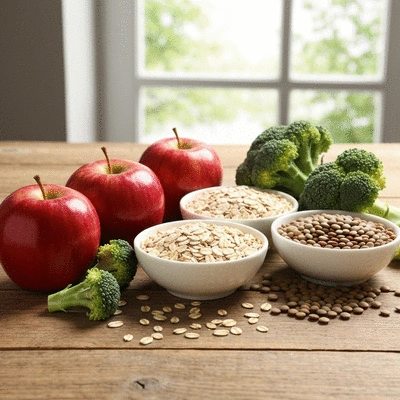
While medication can be helpful, don't forget the impact of natural remedies and dietary fiber! Incorporating fiber-rich foods into your daily meals is a fantastic way to promote digestive health. Foods such as:
These options not only aid in creating bulk for your stools but also enhance overall gastrointestinal wellness. Pairing these dietary changes with sufficient hydration can work wonders. By embracing both natural remedies and appropriate medications, you can confidently navigate your digestive health journey!
Now that we've covered the essential information on stool softeners and other laxatives, let’s look at how to manage constipation effectively through lifestyle changes and medical guidance.
It’s important to remember that medications, while effective, work best alongside healthy lifestyle choices. Regular exercise, a balanced diet, and good hydration all contribute to maintaining digestive health. Try incorporating physical activity into your routine—perhaps a brisk walk after meals can be a simple way to keep things moving!
Additionally, consider keeping a food diary to track your fiber intake. This can help you identify patterns and make adjustments as needed.
Don't hesitate to reach out to healthcare professionals if you're struggling with constipation. Their expertise can provide you with the best strategies tailored to your personal health needs. At Constipation Solutions Co., we encourage this proactive approach to health and wellness.
Lastly, let’s not forget hydration! Drinking plenty of water is key in preventing constipation. Aim for at least eight glasses a day, and adjust according to your activity level and climate. Additionally, incorporating probiotics—found in yogurt, kefir, and fermented foods—can promote a healthy gut microbiome, further aiding digestion.
By following these steps, you can take charge of your digestive health and find the comfort and relief you deserve! Remember, the journey to wellness is a marathon, not a sprint, and I'm here to support you every step of the way.
Here is a quick recap of the important points discussed in the article:
As a dedicated gastroenterologist with over a decade of experience, I'm passionate about empowering you with evidence-based insights into digestive wellness. At Constipation Solutions Co., we believe in natural remedies and lifestyle modifications to achieve optimal digestive comfort. My mission is to bridge the gap between medical expertise and everyday well-being, providing reliable, research-backed information to help you navigate your digestive challenges with confidence.