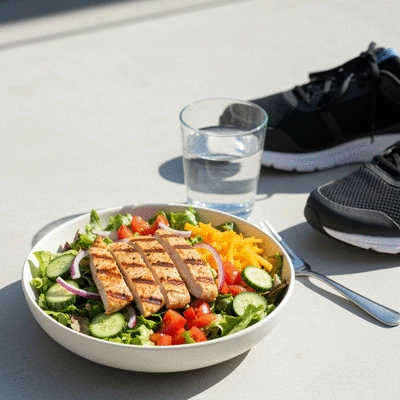
Exercise is more than just a routine; it’s a key element in enhancing your digestive health. As you navigate your meals, consider this: could a simple post-meal walk transform your gut comfort? It might be time to find out!
What You Will Learn
Post-meal exercise significantly improves gut motility, aiding in digestion.
Regular physical activity enhances blood flow, which is crucial for nutrient absorption.
Hydration is vital for digestive health; drink adequate water to prevent constipation.
Incorporating fiber-rich foods into your diet supports regular bowel movements and gut health.
Understanding the connection between diet and exercise can lead to better digestive function.
Optimize Your Digestive Health: The Role of Post-Meal Movement
This visual highlights the critical elements influencing post-meal digestion and bowel health, emphasizing the interconnectedness of exercise, hydration, nutrition, and fiber intake.
Post-Meal Exercise Benefits
✓ Improved gut motility
✓ Increased blood flow for absorption
✓ Reduced stress impacting digestion
Even light movement can significantly enhance gut health.
Common Post-Meal Issues
● Bloating from heavy meals
● Constipation due to poor hydration
● Stress-induced digestive upset
Understanding causes helps in proactive management.
Gut Microbiome & Activity
★ Exercise grows beneficial bacteria
★ Promotes diverse microbiome
★ Helps manage inflammation
A healthy gut is crucial for overall wellness.
Key Factors for Optimal Digestion
HydrationNutritionFiber Intake
These elements combined support efficient digestion.
Understanding the Connection Between Post-Meal Exercise and Bowel Health
When it comes to maintaining digestive health, the connection between post-meal exercise and bowel function is crucial! Many people underestimate how moving your body after eating can dramatically affect digestion and overall comfort. As a gastroenterologist, I often see how a simple stroll can help alleviate some common digestive issues, including constipation.
Exercise plays a vital role in stimulating the digestive system, promoting regular bowel movements, and reducing discomfort. So, if you've ever felt bloated or sluggish after a meal, consider how a bit of movement might help! Understanding this relationship is the first step to taking charge of your digestive wellness.
Why Exercise Matters for Digestion and Bowel Movements
Engaging in physical activity after meals can greatly enhance your body’s ability to process food. Here’s why exercise matters for digestion:
Improved gut motility: Exercise encourages the muscles in the digestive tract to contract, promoting movement through the intestines.
Increased blood flow: Physical activity boosts circulation, which can improve nutrient absorption.
Reduced stress: Exercise is a fantastic stress reliever, and lower stress levels can positively impact your digestive health.
These benefits highlight why incorporating even light exercise into your routine can be a game-changer for your gut health! Remember, every little bit counts.
Common Post-Meal Issues: Bloating and Constipation
After eating, many people report feelings of discomfort, including bloating and constipation. These issues not only affect your comfort but can also impact your overall health if left unaddressed. Here are some common causes:
Heavy, rich meals can slow digestion.
Inadequate hydration may lead to harder stools.
Stress can interfere with proper digestive function.
By understanding these issues, you can take proactive steps to mitigate them—like incorporating light exercise after meals, which I wholeheartedly recommend to my patients at Constipation Solutions Co.! Being mindful of what and how you eat, combined with movement, can lead to a happier gut.
The Role of the Gut Microbiome in Digestive Health
Your gut microbiome, the collection of bacteria in your intestines, plays a significant role in digestive health. A healthy microbiome is essential for proper digestion and may even influence weight management and immunity. Regular post-meal activity can help maintain a balanced microbiome. Here’s how:
Exercise can encourage the growth of beneficial bacteria.
Staying active promotes a more diverse gut microbiome, which is linked to better health outcomes.
Physical activity may help manage inflammation, a key aspect of maintaining gut health.
By embracing healthy habits that include both nutritious eating and gentle exercise, you’re investing in a robust microbiome and a healthier you! Remember, at Constipation Solutions Co., we’re here to empower you on your journey to digestive wellness.
Interactive Poll
We'd love to hear from you! How often do you incorporate post-meal exercise into your routine? Choose an option below:
Combining Diet and Exercise for Optimal Digestive Health
When it comes to achieving optimal digestive health, the connection between diet and exercise is crucial. At Constipation Solutions Co., we believe that integrating these two elements can significantly enhance your bowel health. You may be surprised to learn that what you eat can affect how your body responds to physical activity post-meal!
A balanced diet rich in nutrients provides the energy necessary for effective exercise. On the flip side, engaging in physical activity can help optimize digestion, making it easier for your body to process food efficiently. Let’s explore the role of hydration, nutrition, and fiber intake to maximize your digestive function.
Hydration: The Key to Successful Post-Meal Movement
Staying hydrated is one of the most straightforward ways to support your digestive health. Water plays an essential role in breaking down food and keeping things moving through your intestines. In fact, adequate hydration can help prevent constipation by softening stool and making bowel movements easier!
Drink at least eight glasses of water daily, adjusting for activity level and climate.
Consider having a glass of water before and after meals to aid digestion.
Incorporate hydrating foods, such as cucumbers and watermelon, into your diet.
Remember that dehydration can lead to complications like bloating and constipation. So, keep that water bottle handy to foster a healthier digestive system!
How Nutrition Impacts Bowel Movements and Exercise Efficiency
Your diet directly influences bowel health and the efficacy of your post-meal workouts. Eating a meal that is too heavy can lead to discomfort when exercising afterward. Instead, consider lighter, balanced options that provide the necessary nutrients without weighing you down.
Opt for meals rich in lean proteins and healthy fats.
Focus on complex carbohydrates like whole grains for sustained energy.
Include a variety of fruits and vegetables to ensure you're getting essential vitamins and minerals.
By choosing the right foods, you can enjoy more comfortable and effective exercise sessions that support your overall digestive health.
The Importance of Fiber Intake for Digestive Function
Fiber is often hailed as a superstar in digestive health. It not only aids in promoting regular bowel movements but also contributes to overall well-being by supporting gut health. As a gastroenterologist, I've seen firsthand how important it is to incorporate enough fiber into our diets.
Aim for at least 25-30 grams of fiber daily from whole foods.
Include soluble fiber sources like oats and beans to help regulate your digestion.
Don't forget insoluble fiber from sources like whole grains and vegetables, which helps add bulk to your stool.
Incorporating fiber-rich foods into your meals can lead to better digestion and improved bowel movements, making it easier to maintain an active lifestyle! For more detailed insights into how physical activity influences the gastrointestinal tract, this research provides valuable information.
Recap of Key Points
Here is a quick recap of the important points discussed in the article:
Post-meal exercise significantly aids digestion and can alleviate discomfort such as bloating and constipation.
Light physical activity enhances gut motility, increases blood flow, and reduces stress, all of which promote better bowel health.
Hydration is essential for digestive health; drinking adequate water helps prevent constipation and aids in digestion.
A balanced diet rich in fiber, lean proteins, and healthy fats supports efficient digestion and improves exercise effectiveness.
Incorporating fiber-rich foods into your meals promotes regular bowel movements and overall gut health.
Frequently Asked Questions (FAQs)
Q: How does post-meal exercise improve digestion?
A: Post-meal exercise improves digestion by increasing gut motility (the movement of food through the digestive tract), boosting blood flow for better nutrient absorption, and reducing stress, which positively impacts digestive health.
Q: What common digestive issues can post-meal exercise help alleviate?
A: Post-meal exercise can help alleviate common issues like bloating and constipation by stimulating the digestive system and promoting regular bowel movements.
Q: Why is hydration important for digestive health?
A: Hydration is crucial because water helps break down food and keeps things moving through the intestines. Adequate water intake softens stool, preventing constipation and aiding in smoother bowel movements.
Q: How does diet impact bowel movements and exercise efficiency?
A: A balanced diet, rich in lean proteins, healthy fats, complex carbohydrates, and fiber, provides the necessary energy for effective exercise and supports efficient digestion. Lighter, balanced meals prevent discomfort during post-meal activity.
Q: What role does fiber play in digestive function?
A: Fiber is essential for digestive health as it promotes regular bowel movements and supports overall gut health. Both soluble and insoluble fibers help regulate digestion and add bulk to stool, facilitating easier passage.
Dr. Clara Middleton
As a dedicated gastroenterologist with over a decade of experience, I'm passionate about empowering you with evidence-based insights into digestive wellness. At Constipation Solutions Co., we believe in natural remedies and lifestyle modifications to achieve optimal digestive comfort. My mission is to bridge the gap between medical expertise and everyday well-being, providing reliable, research-backed information to help you navigate your digestive challenges with confidence.

Constipation Solutions Co. is dedicated to empowering you to take control of your digestive health. Our mission is to provide reliable, research-backed information and natural solutions for constipation, helping you achieve optimal digestive comfort and overall well-being.
Kick off your digestive health journey by understanding your body's signals. Recognizing what triggers discomfort is the first step to finding relief!
Don’t underestimate the power of hydration. Adequate water intake is crucial for soft stools and regular bowel movements!
Utilize fiber-rich foods in your diet. They add bulk to your stool, making it easier to pass and promoting digestive regularity.
Ensure your daily routine includes physical activity. Even a short walk can stimulate your digestive system and help prevent constipation.
Focus on mindful eating. Chewing your food thoroughly and eating slowly can significantly aid digestion and prevent discomfort.
Leverage natural remedies like prunes or magnesium. These can be gentle yet effective in promoting bowel movements.
Create a consistent bathroom routine. Training your body to have bowel movements at the same time each day can improve regularity.
Regularly update your knowledge on digestive health. Fresh insights can help you adapt and improve your personal wellness strategy.
Use descriptive language when discussing symptoms with your doctor. Clear communication leads to more accurate diagnoses and effective treatments.
Incorporate stress reduction techniques. Stress can significantly impact gut health, so relaxation is key to digestive comfort.
Implement a food diary. Tracking what you eat can help identify specific foods that might be contributing to your constipation.
Optimize your posture during bowel movements. Using a squatty potty or footstool can make passing stool easier and more complete.
Encourage sharing your experiences and tips with others. A supportive community can provide valuable insights and encouragement.
Monitor and improve your gut microbiome. Probiotics and fermented foods can help maintain a healthy balance of gut bacteria.
Include a clear call-to-action in every post. This boosts engagement and guides readers to take the next step towards mastering their digestive wellness!