High Fiber Content
Legumes are rich in both soluble and insoluble fiber, essential for promoting regular bowel movements and adding bulk to stool.
Key for Regularity
Could your diet be the missing piece in achieving digestive comfort? Discover how the simple addition of legumes can transform your gut health and alleviate constipation.
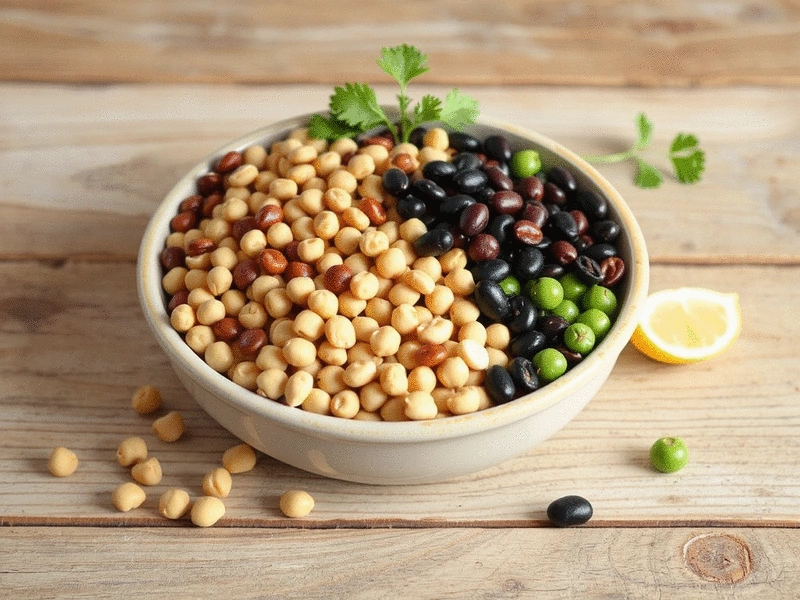
Legumes are nutritional powerhouses that can significantly impact digestive health. The visual below highlights their key contributions to relieving constipation and supporting a healthy gut.
Legumes are rich in both soluble and insoluble fiber, essential for promoting regular bowel movements and adding bulk to stool.
They act as prebiotics, nourishing beneficial gut bacteria critical for a balanced and healthy digestive system.
Legumes are packed with protein, essential vitamins, and minerals, making them a well-rounded and healthy food choice.
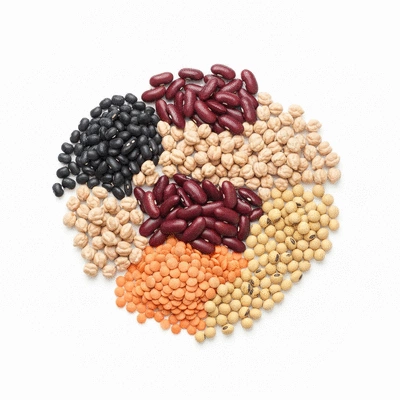
With varieties like lentils, beans, and chickpeas, legumes offer versatile options to suit various tastes and culinary preferences.
As a gastroenterologist with over a decade of experience, I often emphasize the importance of diet in maintaining digestive health. One food group that consistently comes up in my discussions is legumes! These nutritional powerhouses can play a significant role in preventing and alleviating constipation, a common issue many people face.
Constipation can feel isolating, but understanding it is the first step to finding relief. It’s crucial to recognize the various causes, such as inadequate fiber intake, dehydration, and a sedentary lifestyle. The symptoms often include infrequent bowel movements, straining during passages, and discomfort in the abdomen. Knowing these signs can help you identify when it’s time to make dietary changes. Medical professionals emphasize the importance of understanding and addressing constipation's causes and symptoms for effective management.
Many factors can contribute to constipation. Here are some common causes to be aware of:
If you’re experiencing any of these symptoms, you're not alone—many of my patients share similar experiences. The good news is that there are effective strategies to manage and relieve constipation, and incorporating legumes into your diet could be a game changer! For more information on dietary fiber and its role in digestive health, you can refer to resources from the Mayo Clinic on dietary fiber.
Legumes, such as lentils, beans, and chickpeas, are fantastic sources of dietary fiber, which is essential for healthy bowel movements. Including these foods in your meals can help increase stool bulk and promote regularity. Plus, they are quite versatile and can be added to a variety of dishes!
By choosing legumes, you not only support your digestive health but also add a wealth of nutrients to your diet. Remember, feeling good about your digestive health is just as important as the health benefits themselves!
Dietary fiber is a crucial player in maintaining digestive health. It works by adding bulk to your stool, making it easier to pass. This is especially important for those who struggle with constipation. Increasing your fiber intake through foods like legumes can lead to smoother and more regular bowel movements. The American Heart Association also highlights the benefits of dietary fiber for overall health, including digestion.
Here are some key benefits of dietary fiber:
By incorporating fiber-rich foods, you empower yourself to take control of your digestive health. At Constipation Solutions Co., we believe that knowledge is power, and understanding how to use food to your advantage is the first step toward feeling better!
To maximize the benefits of legumes, try soaking them overnight before cooking. This not only reduces cooking time but also helps to enhance their digestibility, making it easier for your body to absorb their nutrients. Plus, experimenting with different legumes in your meals can keep your diet exciting and flavorful!
As we dive into the world of legumes, it's clear they hold a treasure trove of benefits for digestive health. Incorporating legumes into your diet isn't just about adding variety; it's about enhancing your gastrointestinal comfort. Remember, constipation can be a frustrating challenge, but legumes can be part of your solution!
Here are some key takeaways on why you should consider including legumes in your diet:
Integrating legumes into your meals not only supports your digestive wellness but also encourages a healthier lifestyle overall. At Constipation Solutions Co., we believe that a little change in your diet can lead to significant improvements in your digestive comfort. So why wait?
To help you on your journey to better digestive health, we recommend checking out our comprehensive resources available on ConstipationTreatments.net. Here, you’ll find meal planning templates and guides tailored to incorporate legumes seamlessly into your diet. Whether you're looking for recipes or practical tips, we've got you covered!
Don’t hesitate to get creative with legumes! Try adding them to your salads, soups, or even making a delicious hummus. The possibilities are endless, and incorporating legumes into your meals can not only aid in constipation relief but also make your meals tastier and more satisfying.
Remember, taking small steps in your dietary changes can lead to significant improvements in your digestive health. So, grab some legumes at your next grocery store visit, and let’s work together toward achieving that optimal digestive comfort you deserve!
Here is a quick recap of the important points discussed in the article:
As a dedicated gastroenterologist with over a decade of experience, I'm passionate about empowering you with evidence-based insights into digestive wellness. At Constipation Solutions Co., we believe in natural remedies and lifestyle modifications to achieve optimal digestive comfort. My mission is to bridge the gap between medical expertise and everyday well-being, providing reliable, research-backed information to help you navigate your digestive challenges with confidence.