Stool Softening
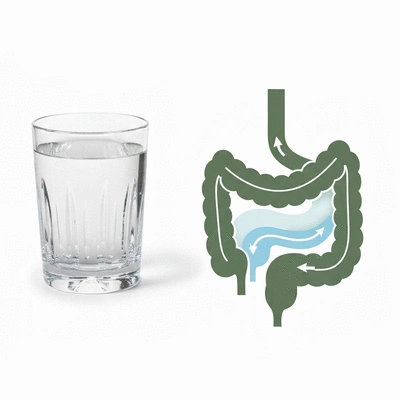
Adequate water intake hydrates stool, making it easier to pass and reducing discomfort.
Mechanism 1
Did you know that increasing your water intake can drastically improve your digestive health? Hydration is often underestimated, yet it plays a crucial role in preventing constipation. Explore how simple changes can lead to significant benefits for your well-being!
Understanding how water supports digestive health and aids in constipation relief.
Adequate water intake hydrates stool, making it easier to pass and reducing discomfort.
Hydration promotes wave-like muscle contractions, moving food through the digestive tract smoothly.
Studies show >8 glasses of water daily correlates with improved bowel regularity and less constipation.
Magnesium in mineral water can relax intestines and improve bowel movements.
Balanced fluid intake prevents dehydration, ensuring optimal digestive system function.
Electrolytes regulate fluid balance and support muscle contractions in the intestines.
Staying hydrated is essential for maintaining digestive health, especially when it comes to preventing constipation. Many people overlook the importance of water, but it plays a vital role in softening stool and promoting regular bowel movements. In my practice at Constipation Solutions Co., I often emphasize hydration as a simple yet effective strategy for improving digestive comfort!
When you think about your digestion, consider how water interacts with your body. It’s not just about drinking enough fluids; it’s about how those fluids help your digestive system function smoothly. Let’s dive into the mechanisms that make hydration a key player in preventing constipation.
One of the primary reasons water is essential for preventing constipation is its role in softening stool. Hard, dry stool can lead to discomfort and difficulty during bowel movements. When we consume adequate amounts of water, it helps to hydrate the stool, making it easier to pass. This is especially crucial for individuals who may not be consuming enough fiber, as fiber works best when combined with adequate hydration.
Furthermore, when you drink more water, your body can better absorb the necessary nutrients and eliminate waste efficiently. This dual action supports overall gastrointestinal health, making it less likely for constipation to occur.
Water also plays a significant role in stimulating peristalsis, the wave-like muscle contractions that move food through the digestive tract. When you stay hydrated, you promote these contractions, which helps to push stool through the intestines. Without sufficient water, the muscles may not function optimally, leading to sluggish digestion and constipation.
In my experience, patients who increase their water intake often report improvements in their bowel regularity. It’s an important reminder that staying hydrated is not just about quenching your thirst—it’s about ensuring your digestive system operates efficiently!
Research supports the connection between hydration and digestive health. Various clinical trials have shown that increased water intake correlates with improved bowel frequency. For instance, studies published by the National Institutes of Health indicate that individuals who consume more than eight glasses of water daily often experience less constipation compared to those who drink less. It’s fascinating how something so simple can significantly impact our digestive well-being!
As you consider your own hydration habits, a great resource for practical tips on increasing your daily water intake is the Mayo Clinic Health System. It’s a small change that can yield big benefits.
Interestingly, certain types of water, like mineral water, have been shown to aid in digestion due to their unique mineral content. Minerals such as magnesium can help relax the intestines and improve bowel movements. Research, such as that highlighted in articles available through the National Library of Medicine, suggests that magnesium in mineral water can be particularly effective. Many of my patients enjoy incorporating mineral water into their routine, finding it not only refreshing but beneficial for their digestive health.
If you’re looking for ways to enhance your hydration strategy, consider experimenting with different types of water to see what works best for you!
A healthy digestive system relies on a balanced fluid intake. When we don’t drink enough water, our bodies can become dehydrated, leading to a host of digestive issues, including constipation. Maintaining proper hydration ensures that your digestive system functions optimally, supporting everything from nutrient absorption to regular bowel movements.
In my work, I encourage individuals to listen to their bodies. If you’re feeling sluggish or experiencing difficulty with your digestion, it may be time to reevaluate your fluid intake!
Electrolytes, like sodium and potassium, play a crucial role in hydration status and digestion. They work hand-in-hand with water to regulate fluid balance in the body, supporting muscle contractions in the intestines. When electrolyte levels are low due to dehydration, it can lead to constipation. A simple tip is to include foods rich in electrolytes, such as bananas and avocados, along with your water intake.
By understanding how hydration affects your digestive health, you empower yourself to make choices that promote comfort and well-being!
To enhance your hydration strategy, consider setting reminders on your phone or using a water-tracking app. These tools can help keep you accountable and ensure that you’re consistently meeting your daily hydration goals. Staying organized with your water intake can lead to improved digestive health and overall wellness!
Water helps prevent constipation by softening the stool, making it easier to pass. It also stimulates peristalsis, the muscle contractions that move food through the digestive tract. Without adequate water, stool can become hard and dry, leading to difficulty and discomfort during bowel movements.
Clinical trials suggest that consuming at least eight glasses of water daily can significantly improve bowel regularity and reduce constipation. However, individual needs may vary based on activity level, climate, and overall health. It's always best to listen to your body and adjust your intake accordingly.
Yes, certain mineral waters contain magnesium, which can help relax the intestinal muscles and promote smoother bowel movements. If you're looking to enhance your hydration strategy, incorporating mineral water could be a beneficial option.
Peristalsis refers to the wave-like muscle contractions that push food and waste through your digestive system. Adequate hydration is crucial for these muscles to function optimally. When you are well-hydrated, peristalsis is more efficient, leading to regular and easier bowel movements.
Yes, electrolytes like sodium and potassium are vital for maintaining fluid balance in the body and supporting muscle contractions, including those in the intestines. An imbalance in electrolytes due to dehydration can contribute to constipation. Ensuring sufficient electrolyte intake, often through water-rich foods, can support digestive health.
Staying hydrated can be a game-changer when it comes to managing constipation. It’s fascinating how something as simple as drinking enough water can significantly improve your digestive health. Here are some key benefits of maintaining proper hydration:
As a gastroenterologist, I've seen firsthand how many people overlook hydration in their quest for digestive comfort. Remember, every sip counts toward your well-being!
When it comes to hydration, it's essential to understand its multifaceted role in digestive health. Here are some crucial takeaways:
By emphasizing these points, we can empower ourselves to make informed choices about our hydration habits. It's all about small, consistent steps toward better digestive health!
Now that we've highlighted the benefits of hydration, I encourage you to take action! Here are some practical ways to make hydration a priority in your life:
Making hydration a priority can feel like a challenge at first, but trust me, your digestive system will thank you in the long run!
We can't overlook how physical activity complements hydration efforts. Regular exercise plays a vital role in supporting digestion and can enhance your hydration strategy:
Incorporating exercise into your routine not only boosts hydration benefits but also uplifts your mood and overall health. Remember, it’s all about balance—so drink up and get moving for optimal digestive comfort!
Here is a quick recap of the important points discussed in the article:
As a dedicated gastroenterologist with over a decade of experience, I'm passionate about empowering you with evidence-based insights into digestive wellness. At Constipation Solutions Co., we believe in natural remedies and lifestyle modifications to achieve optimal digestive comfort. My mission is to bridge the gap between medical expertise and everyday well-being, providing reliable, research-backed information to help you navigate your digestive challenges with confidence.