Boost Gut Health with Walking
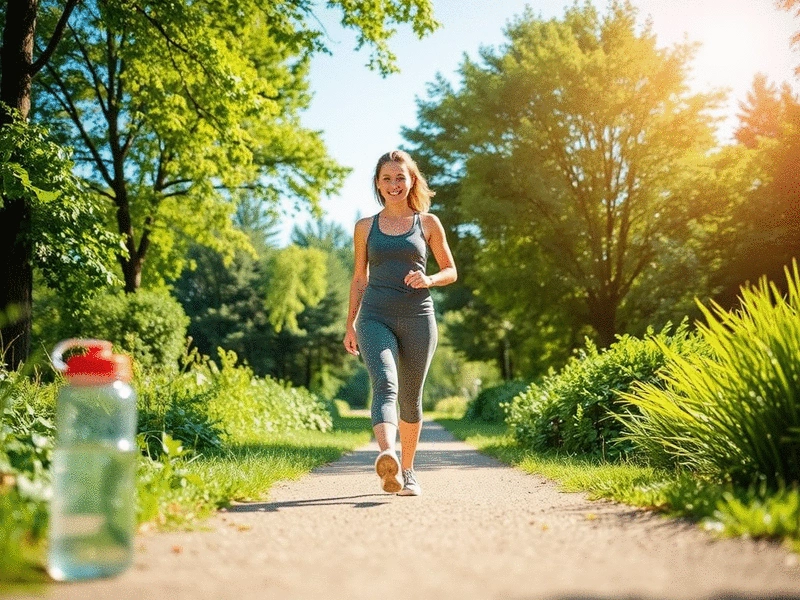
Did you know that a simple daily walk can significantly improve your digestive health? By understanding the connection between light exercise and gut motility, you can take proactive steps toward enhancing your well-being.
What You Will Learn
- Gut motility is essential for efficient digestion and preventing constipation.
- Regular walking stimulates intestinal contractions, promoting better bowel movements.
- Hydration and a fiber-rich diet significantly enhance gut motility.
- Light exercise can reduce stress levels, which positively affects digestive health.
- Consistency in physical activity, even in small amounts, can lead to lasting benefits for digestive comfort.
The Impact of Walking and Light Exercise on Gut Motility
Understanding how physical activity influences digestive health and constipation relief.
What is Gut Motility?
The movement of the digestive system that transports food and waste, crucial for regular bowel movements.
- Ensures timely waste movement.
- Prevents bloating & discomfort.
- Supports overall digestive function.
How Walking Enhances Bowel Function
Light exercise stimulates intestines, encouraging efficient waste movement.
- Increases circulation to organs.
- Reduces stress on digestion.
- Encourages regular bowel habits.
Key Benefits of Regular Movement
- Improved Peristalsis: Stimulates intestinal contractions.
- Enhanced Blood Circulation: Improves gut function.
- Reduced Stress Levels: Positively impacts gut health.
- Healthy Microbiome: Promotes beneficial gut bacteria.
Holistic Approach to Gut Health
Combine exercise with hydration and a fiber-rich diet for best results.
- Adequate hydration softens stools.
- Fiber-rich foods add bulk.
- Together they significantly improve motility.
Understanding the Connection Between Walking, Light Exercise, and Gut Motility
When it comes to digestive health, one key factor often overlooked is gut motility. This term refers to the movements of the digestive system, particularly the intestines, as they transport food and waste. Proper gut motility is essential for maintaining regular bowel movements and preventing constipation, which can significantly impact your quality of life. Have you ever noticed how a brisk walk can make you feel lighter and more at ease? That's your body responding to improved gut function!
Understanding the connection between walking, light exercise, and gut motility can empower you to take control of your digestive health. At Constipation Solutions Co., we believe that simple lifestyle modifications, like incorporating regular movement, can lead to significant improvements in digestive comfort. So, let’s dive deeper into why gut motility matters and how you can enhance it through physical activity.
What is Gut Motility and Why is it Important for Constipation Relief?
Gut motility is crucial for efficient digestion and helps to move food and waste through your intestines. When your gut is functioning well, food moves smoothly from the stomach to the intestines, and eventually out of the body. However, when gut motility slows down, it can lead to constipation, discomfort, and a myriad of other digestive issues. Understanding this process can help you identify the importance of activities like walking in maintaining your digestive health. Research highlights the significance of regular physical activity in maintaining gut health and preventing conditions like constipation, as outlined in a study published in the Journal of Clinical Gastroenterology.
- Gut motility ensures timely movement of waste.
- It helps prevent bloating and discomfort.
- Regular movements support overall digestive function.
By prioritizing your gut motility, you’ll not only enhance your body's ability to process food but also reduce the likelihood of constipation. Incorporating light exercise into your daily routine can be a game changer!
How Walking and Light Exercise Enhance Bowel Function
Walking may seem like a simple activity, but its impact on bowel function is profound. Engaging in light exercise stimulates the intestines, encouraging them to contract and push waste through more efficiently. This is particularly beneficial for individuals who experience constipation, as gentle movement can prompt your body to respond positively!
- Walking increases circulation to the digestive organs.
- It reduces stress, which can negatively affect digestion.
- Light exercise encourages regular bowel habits.
In my experience as a gastroenterologist, I’ve seen many patients improve their digestive health simply by incorporating daily walks into their routines. Remember, a little movement goes a long way when it comes to gut health!
The Role of Hydration and Dietary Fiber in Supporting Gut Motility
While walking and light exercise are crucial, they work best when combined with proper hydration and a fiber-rich diet. Staying hydrated keeps your stools soft, making them easier to pass. Aim for at least eight glasses of water a day, and don’t forget to include fiber-rich foods in your meals! Emerging research also suggests that exercise can positively impact the diversity and health of your gut microbiome, as discussed by UCLA Health.
- Fruits and vegetables provide essential fiber.
- Whole grains add bulk to the digestive process.
- Hydration and fiber together can significantly improve gut motility.
By paying attention to your diet and fluid intake alongside your exercise routine, you can create a holistic approach to alleviating constipation. Remember, you deserve to feel comfortable and confident in your body, and these strategies can set you on the right path towards digestive wellness!
Pro Tip
To maximize the benefits of walking for gut motility, try to incorporate it into your daily routine right after meals. This simple practice can stimulate digestion and help you feel more comfortable. Additionally, consider pairing your walks with mindfulness techniques—like deep breathing—to further reduce stress and enhance your overall digestive health!
Frequently Asked Questions About Walking and Gut Health
- Q: What is gut motility, and why is it important?
- A: Gut motility refers to the movements of the digestive system that transport food and waste. It's crucial for efficient digestion, regular bowel movements, and preventing constipation and discomfort.
- Q: How does walking help improve gut motility?
- A: Walking and light exercise stimulate the intestines, encouraging contractions that move waste more efficiently. It also increases circulation to digestive organs, reduces stress, and promotes regular bowel habits.
- Q: How much walking is recommended for better digestive health?
- A: Even short, consistent walks can be beneficial. Start with realistic goals and gradually increase duration. Incorporating a walk after meals is a great way to stimulate digestion.
- Q: Can diet and hydration impact the effectiveness of exercise on gut health?
- A: Yes, exercise works best when combined with adequate hydration and a fiber-rich diet. Hydration softens stools, and fiber adds bulk, both of which are essential for smooth digestion and improved gut motility.
- Q: Besides gut motility, what other benefits does regular exercise offer for overall digestive health?
- A: Regular exercise helps with weight management, increases energy levels, and improves mood by releasing endorphins. These broader benefits indirectly contribute to a healthier digestive system and overall well-being. A comprehensive review in PMC (PubMed Central) supports the role of physical activity in managing chronic constipation.
Summarizing the Benefits of Walking and Light Exercise for Gut Motility
Walking and light exercise offer significant advantages for enhancing gut motility and relieving constipation. These activities can stimulate the digestive system and encourage regular bowel movements. When you incorporate even simple movements into your daily routine, you create a positive ripple effect on your overall digestive health!
Here are some key benefits of walking and light exercise for gut motility:
- Improved Peristalsis: Physical activity stimulates the natural contractions of the intestines, helping food move along smoothly.
- Enhanced Blood Circulation: Better circulation can improve gut function and nutrient absorption.
- Reduced Stress Levels: Exercise is a natural way to decrease stress, which can negatively affect gut health.
By integrating walking into your lifestyle, you're not just moving; you're actively supporting your digestive system! Remember, consistent, light exercise can lead to long-term benefits.
Key Takeaways on Improving Constipation Through Physical Activity
Let’s recap some important points regarding how physical activity helps with constipation relief:
- Light exercise, like walking, encourages regular bowel movement, making it essential for those struggling with constipation.
- Physical activity can promote a healthy gut microbiome, which plays a crucial role in digestion.
- Even short walks can lead to significant improvements in digestive comfort!
So, when you think about relieving constipation, don’t underestimate the power of a simple stroll. It’s all about taking those small steps toward better health!
The Health Benefits of Regular Exercise for Digestive Health
Regular exercise brings a plethora of benefits that extend beyond just gut motility. These benefits can improve your overall well-being:
- Weight Management: Keeping active can help maintain a healthy weight, reducing the risk of obesity-related digestive issues.
- Increased Energy Levels: Regular movement boosts your energy, making it easier to engage in other healthy habits.
- Better Mood: Exercise releases endorphins that can elevate your mood, indirectly benefiting your digestive health.
As a gastroenterologist, I often see how the interconnectedness of body and mind plays a role in digestive health. So, staying active is more than just movement; it's an essential part of a holistic approach to your wellness journey!
Encouraging Regular Movement for Ongoing Gut Health
How to Get Started: Simple Steps to Incorporate Walking into Your Routine
Getting started with walking is easier than you might think! Here are some simple steps to help you incorporate it into your daily life:
- Set Realistic Goals: Start with short walks and gradually increase the duration as you become more comfortable.
- Make it Routine: Try to walk at the same time every day to create a habit.
- Find a Buddy: Walking with a friend can make it more enjoyable and keep you accountable!
Remember, the key is consistency! Begin with small, achievable steps, and before you know it, you'll be reaping the benefits of regular movement.
Join the Conversation: Share Your Walking Journey and Gut Health Tips
I’d love to hear about your experiences with walking and how it has impacted your gut health! Sharing our journeys not only motivates others but also fosters a supportive community. Consider keeping a journal of your walking habits and digestive changes, and feel free to reach out through Constipation Solutions Co. to share your tips and stories!
Let’s come together to empower each other in our quest for digestive wellness. Remember, every step counts towards a healthier you!
Recap of Key Points
Here is a quick recap of the important points discussed in the article:
- Gut motility is essential for effective digestion and regular bowel movements, helping to prevent constipation.
- Walking and light exercise stimulate the intestines and promote timely waste movement.
- Adequate hydration and a fiber-rich diet are crucial for enhancing gut motility.
- Incorporating regular movement into your routine can lead to significant improvements in digestive comfort.
- Simple steps, like setting realistic walking goals and making it a daily habit, can foster better gut health.

Dr. Clara Middleton
As a dedicated gastroenterologist with over a decade of experience, I'm passionate about empowering you with evidence-based insights into digestive wellness. At Constipation Solutions Co., we believe in natural remedies and lifestyle modifications to achieve optimal digestive comfort. My mission is to bridge the gap between medical expertise and everyday well-being, providing reliable, research-backed information to help you navigate your digestive challenges with confidence.
Popular Posts
Daily Exercise for Digestive Health
![How to Develop a Daily Exercise Routine to Prevent Constipation and Enhance Digestive Comfort]() Did you know that incorporating daily exercise can dramatically improve your digestive health? Regul
Did you know that incorporating daily exercise can dramatically improve your digestive health? Regul
 Did you know that incorporating daily exercise can dramatically improve your digestive health? Regul
Personalized Hydration for Constipation Relief
![Creating a Personalized Hydration Plan for Constipation Management]() Did you know that staying hydrated can significantly improve your digestive health? Understanding th
Did you know that staying hydrated can significantly improve your digestive health? Understanding th
 Did you know that staying hydrated can significantly improve your digestive health? Understanding th
Affordable Constipation Medication Options
![Cost and Accessibility of Constipation Medications: Tips for Finding Affordable Options]() Understanding your financial options when it comes to constipation treatments can empower you to mak
Understanding your financial options when it comes to constipation treatments can empower you to mak
 Understanding your financial options when it comes to constipation treatments can empower you to mak
Biofeedback for Constipation Relief
![Pelvic Floor Biofeedback and Exercise: A Drug-Free Approach to Constipation]() Struggling with constipation can be frustrating, but you don’t have to face it alone. Pelvic floor
Struggling with constipation can be frustrating, but you don’t have to face it alone. Pelvic floor
 Struggling with constipation can be frustrating, but you don’t have to face it alone. Pelvic floor
