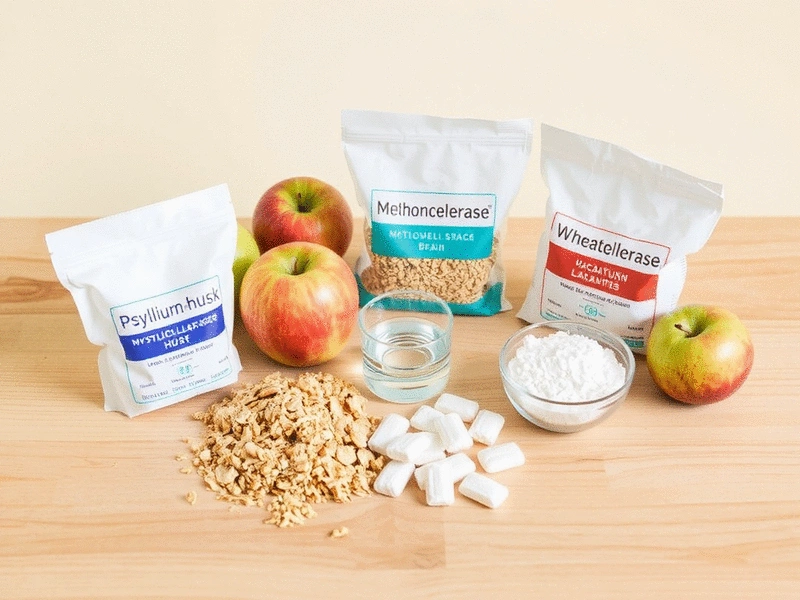
What if a simple addition to your diet could transform your digestive health? Bulk-forming laxatives are not just effective remedies for constipation; understanding their mechanics and proper usage can lead to lasting digestive comfort.
What You Will Learn
Bulk-forming laxatives absorb water in the intestines, leading to softer, bulkier stools.
Common types include Psyllium, Methylcellulose, and Ispaghula Husk, each with unique benefits.
Understanding the difference between soluble and insoluble fiber is key to managing digestive health.
Hydration and following dosage instructions are essential for safe and effective use of laxatives.
Dietary Fiber Recommendations and Types
Understanding the daily fiber intake recommendations and the two essential types of fiber is crucial for optimal digestive health.
Recommended Daily Fiber Intake
♀
Adult Women: 25 grams
♂
Adult Men: 38 grams
Gradually increase intake to avoid discomfort.
Key Types of Dietary Fiber
S
Soluble Fiber: Dissolves in water, forms gel to regulate bowel movements.
I
Insoluble Fiber: Adds bulk to stool, aids food movement.
Both are vital for healthy digestion.
Understanding Bulk-Forming Laxatives: What They Are and How They Work
When it comes to addressing constipation, bulk-forming laxatives can be a game-changer! At Constipation Solutions Co., I often recommend these as a first-line option because they work naturally with your body to promote regular bowel movements. Understanding how they function is essential to utilizing them effectively.
The Mechanism of Action: How Bulk-Forming Laxatives Facilitate Bowel Movements
Bulk-forming laxatives are designed to absorb water in your intestines, leading to softer, bulkier stools that are easier to pass. This process not only enhances stool consistency but also stimulates the intestines to contract, aiding in movement. Think of it as creating a gentle wave that pushes things along!
Water Absorption: They absorb water, increasing the moisture level in your stool.
Stool Consistency: Softer stool becomes easier to pass.
Intestinal Stimulation: Increased bulk can trigger your intestines to move more effectively.
This mechanism is why bulk-forming laxatives are often recommended as a natural solution for digestive discomfort. By understanding how they work, you can use them more confidently!
Common Types of Bulk-Forming Laxatives: An Overview of Options
There are several popular choices when it comes to bulk-forming laxatives. Each type has its unique properties and benefits, making it important to choose one that fits your needs. Here are some common options:
Psyllium (Metamucil): A widely used natural fiber supplement that helps regulate bowel movements.
Methylcellulose (Citrucel): A synthetic fiber that works similarly to psyllium but may be gentler on the digestive system.
Ispaghula Husk: Another natural option, known for its high fiber content and effectiveness.
Wheat Bran: A natural source of fiber that can enhance overall gut health.
Sterculia: A less common but effective bulk-forming agent that helps to soften stool.
Choosing the right laxative is crucial for effective relief. If you're unsure which to select, feel free to explore more on our website, ConstipationTreatments.net, where I provide doctor-reviewed guides to help you make informed decisions. For comprehensive guidelines on chronic constipation, you can refer to evidence-based clinical guidelines.
Understanding Fiber Types: The Role of Dietary Fiber in Digestive Health
Dietary fiber is essential for maintaining digestive health, and bulk-forming laxatives are primarily made from fiber. Fiber comes in two types: soluble and insoluble. Both play key roles in promoting healthy digestion!
Soluble Fiber: Dissolves in water, forming a gel-like substance that helps to regulate bowel movements.
Insoluble Fiber: Adds bulk to the stool and aids in moving food through the digestive tract.
Incorporating both types of fiber into your diet can contribute significantly to bowel regularity and overall gastrointestinal health. As a gastroenterologist, I emphasize the importance of a balanced fiber intake to help manage constipation effectively!
Frequently Asked Questions About Bulk-Forming Laxatives
Here are some common questions about bulk-forming laxatives to help you better understand their use and benefits:
What are bulk-forming laxatives? Bulk-forming laxatives are a type of laxative that works by absorbing water in the intestines to create softer, bulkier stools that are easier to pass. They are often considered a natural way to relieve constipation.
How do bulk-forming laxatives work? They function by absorbing water in the digestive tract, which increases the volume and moisture content of stool. This bulk stimulates intestinal contractions, helping to move waste through the colon.
What are common types of bulk-forming laxatives? Common types include Psyllium (e.g., Metamucil), Methylcellulose (e.g., Citrucel), Ispaghula Husk, Wheat Bran, and Sterculia. Each has slightly different properties but works on the same principle.
What is the difference between soluble and insoluble fiber? Soluble fiber dissolves in water to form a gel-like substance, helping to regulate bowel movements and lower cholesterol. Insoluble fiber does not dissolve in water; it adds bulk to stool and aids in its passage through the digestive tract. Both are vital for digestive health.
Are there any important precautions to take when using bulk-forming laxatives? Yes, it is crucial to stay well-hydrated by drinking plenty of water, follow dosage instructions carefully, and monitor your body’s response. Always consult a healthcare professional if you have any concerns or underlying health conditions. More safety information can be found on reputable health sites like Mayo Clinic.
We Want to Hear From You!
Have you tried bulk-forming laxatives before? What has been your experience with them? Share your thoughts below:
Summary of Insights on Safe Use of Bulk-Forming Laxatives
As we’ve explored the various aspects of bulk-forming laxatives, it’s essential to reinforce key points about their benefits, safety, and effective usage. These laxatives can provide relief for those struggling with constipation while promoting overall digestive health. However, it’s crucial to prioritize safety and proper usage to ensure the best outcomes.
Incorporating bulk-forming laxatives into your routine can be a game-changer for many individuals, particularly for those facing chronic constipation. By following the guidelines we’ve discussed, you can harness their benefits while maintaining digestive comfort.
Encouraging Safe Practices for Optimal Digestive Health
To achieve the best results with bulk-forming laxatives, I encourage you to follow these safe practices:
Stay hydrated: Drink plenty of water to enhance the effectiveness of the laxatives.
Follow dosage instructions: Always adhere to the recommended dosages to avoid complications.
Monitor your body’s response: Pay attention to how your body reacts and adjust your intake accordingly.
Consult a healthcare professional: If unsure about usage, seek personalized advice from your doctor.
By following these practices, you can ensure a positive experience with bulk-forming laxatives and support your digestive health effectively.
Explore Your Options: Finding the Right Bulk-Forming Laxative for You
When it comes to choosing a bulk-forming laxative, it's essential to find one that suits your individual needs. Consider exploring your options and don't hesitate to consult with a healthcare professional for personalized advice. This can help you understand which product might be the best fit for your unique digestive challenges.
Remember, each person’s digestive health journey is different, and it’s important to consider factors like dietary habits, lifestyle, and any pre-existing conditions when making your choice.
Understanding Dietary Guidelines for Fiber Intake
Incorporating dietary fiber into your daily nutrition is vital for better digestion. Here are some key insights on dietary fiber recommendations:
Adult women should aim for about 25 grams of fiber per day.
Adult men should target around 38 grams daily.
Fiber-rich foods include fruits, vegetables, whole grains, and legumes.
Gradually increase fiber intake to prevent gastrointestinal discomfort.
By understanding and implementing these guidelines, you can not only enhance your digestive health but also complement the benefits of bulk-forming laxatives. Combining adequate hydration, proper usage, and a fiber-rich diet will help you achieve optimal digestive comfort! Remember, at Constipation Solutions Co., we’re here to support you in this journey toward a healthier gut!
Recap of Key Points
Here is a quick recap of the important points discussed in the article:
Bulk-forming laxatives absorb water in the intestines, leading to softer, easier-to-pass stools.
Common types include Psyllium, Methylcellulose, Ispaghula Husk, Wheat Bran, and Sterculia, each with unique benefits.
Stay hydrated to enhance the effectiveness of laxatives and follow recommended dosages.
Monitor your body’s response and consult a healthcare professional if you have any concerns about usage.
Incorporate a balanced diet rich in both soluble and insoluble fiber for optimal digestive health.
Dr. Clara Middleton
As a dedicated gastroenterologist with over a decade of experience, I'm passionate about empowering you with evidence-based insights into digestive wellness. At Constipation Solutions Co., we believe in natural remedies and lifestyle modifications to achieve optimal digestive comfort. My mission is to bridge the gap between medical expertise and everyday well-being, providing reliable, research-backed information to help you navigate your digestive challenges with confidence.

Constipation Solutions Co. is dedicated to empowering you to take control of your digestive health. Our mission is to provide reliable, research-backed information and natural solutions for constipation, helping you achieve optimal digestive comfort and overall well-being.
Kick off your digestive health journey by understanding your body's signals. Recognizing what triggers discomfort is the first step to finding relief!
Don’t underestimate the power of hydration. Adequate water intake is crucial for soft stools and regular bowel movements!
Utilize fiber-rich foods in your diet. They add bulk to your stool, making it easier to pass and promoting digestive regularity.
Ensure your daily routine includes physical activity. Even a short walk can stimulate your digestive system and help prevent constipation.
Focus on mindful eating. Chewing your food thoroughly and eating slowly can significantly aid digestion and prevent discomfort.
Leverage natural remedies like prunes or magnesium. These can be gentle yet effective in promoting bowel movements.
Create a consistent bathroom routine. Training your body to have bowel movements at the same time each day can improve regularity.
Regularly update your knowledge on digestive health. Fresh insights can help you adapt and improve your personal wellness strategy.
Use descriptive language when discussing symptoms with your doctor. Clear communication leads to more accurate diagnoses and effective treatments.
Incorporate stress reduction techniques. Stress can significantly impact gut health, so relaxation is key to digestive comfort.
Implement a food diary. Tracking what you eat can help identify specific foods that might be contributing to your constipation.
Optimize your posture during bowel movements. Using a squatty potty or footstool can make passing stool easier and more complete.
Encourage sharing your experiences and tips with others. A supportive community can provide valuable insights and encouragement.
Monitor and improve your gut microbiome. Probiotics and fermented foods can help maintain a healthy balance of gut bacteria.
Include a clear call-to-action in every post. This boosts engagement and guides readers to take the next step towards mastering their digestive wellness!