Key Dietary Causes of Constipation
- Low fiber intake
- Insufficient hydration
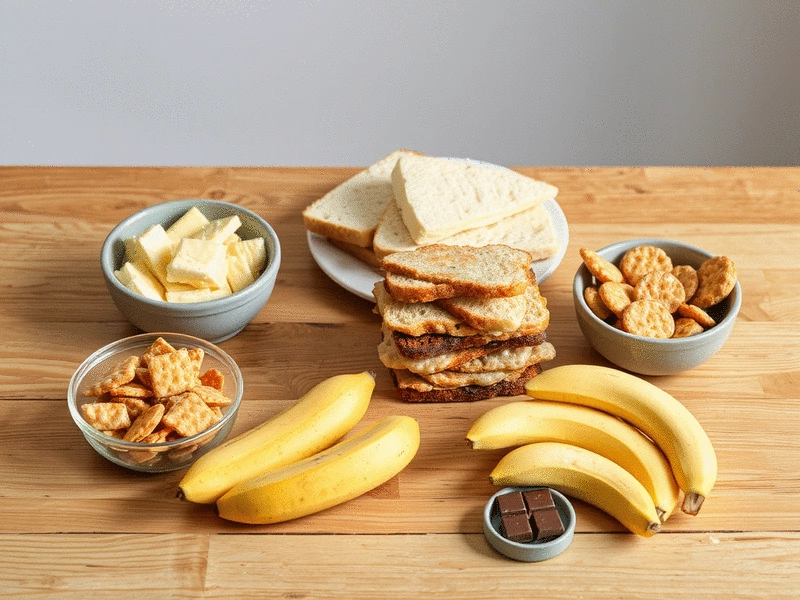
- High consumption of processed foods
- Excessive intake of dairy products
Did you know that adjusting your diet can significantly improve your digestive health? Understanding the relationship between your food choices and constipation is crucial for achieving comfort and well-being. Let’s explore how simple dietary changes can lead to better bowel health!
Understanding how different dietary elements contribute to or alleviate constipation is crucial for digestive health. The visual below highlights key factors identified in the article.
Soluble Fiber
Oats, Beans, FruitsInsoluble Fiber
Whole Grains, VegetablesAim for 8+ Glasses of Water Daily
Limit caffeine & alcohol for better hydration25-30g
Recommended daily fiber intakeConstipation is a common issue that many people face, but understanding its roots can help you take control of your digestive health. One key aspect to consider is your diet. Have you ever thought about how the foods you eat might be affecting your bowel movements? Your dietary choices can significantly influence your digestive comfort, and that's what I want to explore with you today!
When we talk about constipation, it's essential to recognize that various factors come into play, including your daily diet. Certain foods can contribute to bloating and discomfort, making it even more crucial to be aware of what you're consuming. Let's dive into the specifics of how your diet can be both a friend and foe in your journey to digestive wellness.
There are several reasons why you might experience constipation, and diet is one of the most significant factors. Sometimes, it's as simple as not consuming enough fiber or hydration. Here are a few common dietary-related causes:
Each of these dietary habits can slow down your digestive system, leading to uncomfortable symptoms. It’s vital to pay attention to what you put on your plate, as it can pave the way for better digestive health!
Many people have misconceptions about what foods are actually "good" or "bad" for bowel health. For instance, some think cutting out all fats is beneficial, but did you know that healthy fats can actually support digestion? Misunderstanding can lead to poor dietary choices, which can worsen constipation. Let's clear up some of these misconceptions:
By overcoming these myths, you can make informed choices that will truly benefit your digestive health.
Dietary fiber plays a critical role in preventing constipation. It helps add bulk to your stool and promotes regular bowel movements. There are two types of fiber to consider:
Incorporating a variety of fiber-rich foods into your diet can make a significant difference in your bowel health! Remember, the goal is to aim for at least 25-30 grams of fiber each day to keep your digestive system on track. It might take some time, but with gradual changes, you will notice the positive impact on your overall comfort!
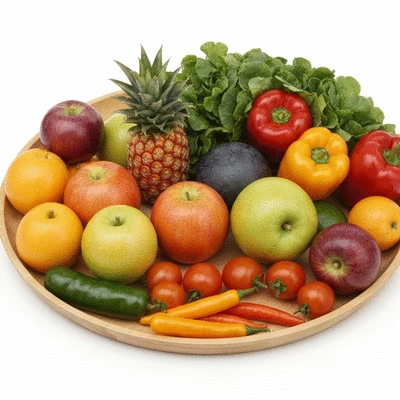
To enhance your digestive health, consider incorporating a variety of fiber-rich foods into your meals. Aim for a mix of soluble and insoluble fiber sources to keep your digestive system functioning optimally—think oats, beans, whole grains, and a colorful array of fruits and vegetables!
As a gastroenterologist, I've seen firsthand how manageable constipation can be with the right dietary choices. Incorporating high-fiber foods into your daily meals is one of the most effective strategies for promoting regular bowel movements. Let’s explore how you can easily boost your fiber intake and make a positive impact on your digestive health!
Whole grains are a powerhouse when it comes to digestive health. Not only do they provide essential nutrients, but they also add bulk to your stool, making it easier to pass. Here are some excellent high-fiber options to consider:
By swapping out refined grains for these whole grain alternatives, you’ll not only enhance your fiber intake, but also nourish your body with healthier options. It's a simple change that can yield significant benefits!
We often underestimate the power of water in digestive health. Staying adequately hydrated is crucial for keeping your digestive system running smoothly. When you're well-hydrated, your body can better absorb nutrients and facilitate the movement of food through your intestines. Aim for at least eight glasses of water a day!
When it comes to hydration, every little bit counts. Remember, staying hydrated helps your body prevent constipation and enhances overall digestive comfort!
Beans, nuts, and seeds are not only delicious but also packed with fiber and nutrients that promote healthy digestion. They can be easily incorporated into salads, snacks, or main dishes. Here are some options to consider:
By adding these nutrient-dense foods into your meals, you're not just supporting your digestive health but also providing your body with essential vitamins and minerals. It’s a win-win!
Now that we've covered some practical tips for managing constipation, it’s essential to further explore additional insights that can help maintain a healthy digestive system.
Nutritionists emphasize that a balanced diet coupled with regular exercise can significantly enhance digestive health. As Dr. Maria, a renowned nutritionist, says, “A diet rich in fiber is key to achieving smooth digestive function. It’s about making wise food choices that nourish your gut!”
If you're still wondering how to best approach your diet, you’re not alone! Here are some common questions:
Lastly, let's not overlook the role of physical activity. Engaging in regular exercise can stimulate your intestines and promote bowel movements. Even simple activities like walking or stretching can make a difference. So, let’s get moving!
Incorporating these practical tips into your lifestyle can make a huge difference in managing constipation. Remember, it’s all about creating a balanced approach to your diet and maintaining a healthy lifestyle. If you have any questions or need guidance, don't hesitate to reach out to us at Constipation Solutions Co.!
Here is a quick recap of the important points discussed in the article:
As a dedicated gastroenterologist with over a decade of experience, I'm passionate about empowering you with evidence-based insights into digestive wellness. At Constipation Solutions Co., we believe in natural remedies and lifestyle modifications to achieve optimal digestive comfort. My mission is to bridge the gap between medical expertise and everyday well-being, providing reliable, research-backed information to help you navigate your digestive challenges with confidence.