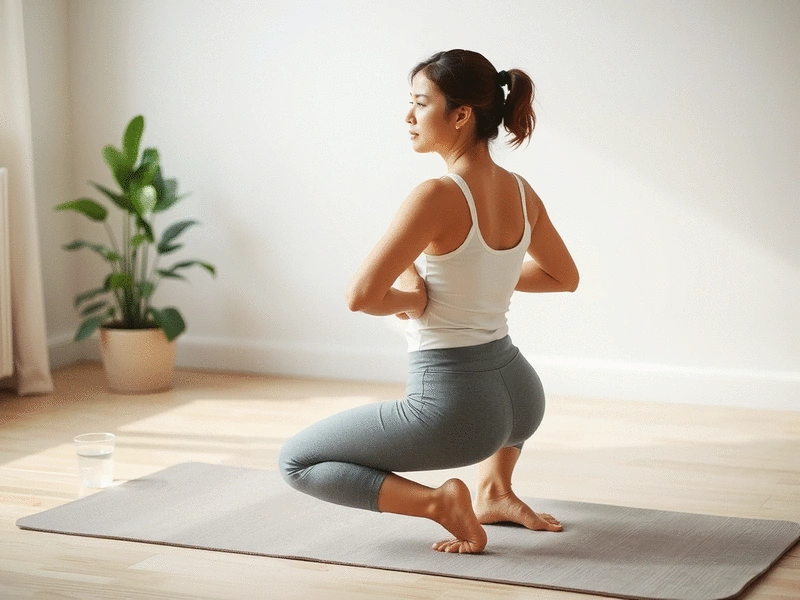
Bodyweight Exercises & Gut Function
- Increase core activation for better gut motility.
- Improve circulation, aiding nutrient delivery.
- Enhance muscle tone to alleviate discomfort.
Did you know that just a few minutes of exercise each day can significantly improve your digestive health? Engaging in regular physical activity not only boosts your gut function but can also prevent common issues like constipation. Let’s dive into the essential lessons from this article!
This visual explores the interplay between exercise, hydration, and mental well-being in maintaining optimal digestive health, offering actionable steps for an improved gut.
As a gastroenterologist, I've seen firsthand how exercise plays a crucial role in digestive health. Many people don't realize that staying active is one of the simplest ways to boost gut function and prevent issues like constipation. In this section, we'll explore how bodyweight exercises can enhance your digestive system, the vital role of exercise in maintaining regular bowel movements, and the importance of hydration for overall digestive wellness.
Bodyweight exercises, such as squats, push-ups, and lunges, can stimulate your digestive tract effectively. These movements engage your core and abdominal muscles, promoting blood flow to your digestive organs. When you regularly perform these exercises, you're not just building strength; you're also encouraging your body to process food more efficiently! Studies have shown that physical activity directly impacts gastrointestinal motility, helping to move food through the digestive system.
By incorporating bodyweight exercises into your routine, you create a positive feedback loop for your digestive health. It's exciting to think about how a little movement can lead to significant benefits!
Regular exercise is vital in preventing constipation—a common issue many face. When we engage in physical activity, it not only stimulates the intestines but also promotes regular bowel movements. Think of it as a natural way to keep your digestive tract “on track.” Research published in Frontiers in Physiology highlights how exercise can improve gut microbiota and barrier function, further supporting digestive health.
As you can see, just a few minutes of exercise each day can make a world of difference. And remember, you're not alone in this journey—many people are striving for better digestive health alongside you!
Hydration is another key player in maintaining digestive health. Water helps break down food so that your body can absorb nutrients effectively. Additionally, staying hydrated softens stool, making it easier to pass. Aim for at least eight glasses of water a day, but listen to your body—if you're exercising, you may need even more! The impact of diet and physical activity on gut health underscores the combined importance of these factors.
By focusing on hydration along with exercise, you're setting a solid foundation for your digestive health. So, let's keep that water bottle filled, and get moving together!
We want to hear from you! How often do you incorporate bodyweight exercises into your routine for digestive health?
Bodyweight exercises, like squats and lunges, engage core muscles and increase blood flow to digestive organs. This stimulation helps to move food through the digestive tract more efficiently, improving gut motility and promoting regular bowel movements.
Regular physical activity such as brisk walking, light jogging, strength training, and yoga can significantly help prevent constipation. These activities stimulate the intestines and strengthen abdominal muscles, which support healthy digestion.
Aim for at least eight glasses of water a day. However, if you are exercising regularly or in warmer climates, you may need more to stay adequately hydrated. Proper hydration is essential for breaking down food, absorbing nutrients, and softening stool.
Stress can negatively impact gut health. Mindfulness practices like yoga, meditation, and deep breathing can help manage stress levels, which in turn can reduce digestive discomfort and promote a healthier gut-brain connection.
Yes, setting achievable goals is crucial for maintaining motivation and consistency. Starting with small, manageable goals and gradually increasing intensity or duration helps prevent overwhelm and builds sustainable healthy habits for long-term digestive wellness.
Staying active is crucial for keeping your digestive system happy and healthy! Here at Constipation Solutions Co., we believe that establishing a routine can make all the difference. Whether you're just starting out or looking to enhance your current regimen, setting realistic goals is the first step on your journey towards improved digestive health.
When it comes to exercise, it's essential to set achievable goals that motivate you without overwhelming you. Start small and focus on what works for you. For example, you might aim to incorporate 15 minutes of bodyweight exercises into your daily routine. As you feel more comfortable, gradually increase the duration or intensity!
By tracking your progress, you can celebrate small victories that will encourage you to stick with your routine. Remember, consistency is key when it comes to seeing positive changes in your digestive health!
Tracking your progress can be incredibly rewarding! I recommend keeping a journal or using a fitness app to log your workouts and how they make you feel. This not only helps you stay accountable but also allows you to identify which exercises have the most positive impact on your digestion.
Staying motivated is essential, so don’t hesitate to reward yourself for reaching milestones—perhaps treat yourself to a relaxing evening or a healthy snack that you enjoy!
Finding a supportive community can make your fitness journey even more enjoyable. Consider joining local exercise groups or online forums focused on digestive wellness. Surrounding yourself with like-minded individuals can provide encouragement and motivation on days when you might feel less inclined to work out.
By engaging with others, you can learn from their experiences and gain insights that can further enhance your own routine. Remember, you're not alone in this journey!
As you embark on this journey towards better digestive health, I want to encourage you to embrace the power of bodyweight exercises. These exercises are not only effective but can also be done anywhere, making them a convenient choice for anyone!
Creating a dedicated space for your workouts can help reinforce your commitment to staying active. Consider designating a corner of your home where you can comfortably perform exercises without distractions. Make it inviting with some plants, calming colors, and your favorite music!
Having a supportive environment makes it easier to stay on track with your routine and can greatly enhance your overall experience.
Now is the perfect time to take action! I invite you to start integrating bodyweight exercises into your daily routine and witness the benefits for yourself. Remember, every small step counts towards achieving optimal digestive wellness. Visit our website, ConstipationTreatments.net, for more tips, exercises, and resources to support your journey!
It's also vital to address the connection between mental health and digestion. Stress can have a significant impact on your gut health, so incorporating mindfulness practices can be incredibly beneficial. Techniques such as yoga and meditation can help you manage stress, ultimately contributing to better digestive comfort.
By prioritizing both physical activity and mental well-being, you can create a holistic approach to your digestive health. Let's take this journey together, and remember to be kind to yourself along the way!
Here is a quick recap of the important points discussed in the article:
As a dedicated gastroenterologist with over a decade of experience, I'm passionate about empowering you with evidence-based insights into digestive wellness. At Constipation Solutions Co., we believe in natural remedies and lifestyle modifications to achieve optimal digestive comfort. My mission is to bridge the gap between medical expertise and everyday well-being, providing reliable, research-backed information to help you navigate your digestive challenges with confidence.