✓ Soluble Fiber Powerhouses
- Oats: Forms a gel, regulates movements.
- Beans: Dissolves in water, aids digestion.
- Apples (Pectin): Gentle and effective.
(Regulates blood sugar)
Every small dietary change can lead to significant improvements in your digestive health. Are you ready to explore how incorporating fruits and vegetables can help prevent constipation and enhance your overall well-being?
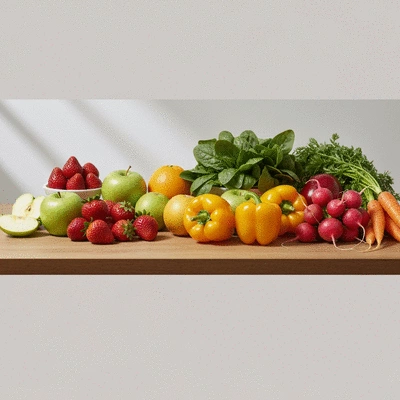
Delve into how different fruits, rich in soluble and insoluble fiber, contribute to digestive health. This visual highlights key benefits and preparation tips for preventing constipation.
(Regulates blood sugar)
(Adds bulk, speeds transit)
(Soften stool, aid passage)
(Maximize fiber & nutrients)
When it comes to digestive health, understanding constipation is crucial. Constipation can feel uncomfortable and frustrating, and it often stems from a variety of causes including a lack of dietary fiber, inadequate hydration, and even certain medications. It's fascinating how the foods we consume can significantly impact our bowel movements. As a gastroenterologist with over a decade of experience, I've seen firsthand how incorporating the right foods can bring relief and restore comfort.
Many individuals are unaware that simple dietary changes can make a big difference! By understanding what contributes to constipation, you can take proactive steps towards better digestive health.
Constipation is defined as having fewer than three bowel movements a week, often accompanied by straining or discomfort. The causes can range from a low-fiber diet to a sedentary lifestyle. The impact of this condition goes beyond just physical discomfort; it can also lead to stress and anxiety about bowel habits. That's why it's essential to address constipation with a comprehensive approach that includes dietary modifications. Research supports that lifestyle and dietary changes, particularly increasing fiber intake, are effective in managing constipation symptoms, as detailed in recent studies on chronic constipation management.
By focusing on these elements, you can effectively combat constipation and improve your overall well-being. Remember, every small change counts!
One of the most effective ways to prevent constipation is by increasing your intake of diets rich in fiber. There are two main types of fiber: soluble and insoluble. Soluble fiber, found in foods like oats and beans, dissolves in water and forms a gel-like substance that can help regulate bowel movements. On the other hand, insoluble fiber adds bulk to the stool and is primarily found in whole grains, nuts, and certain vegetables. The distinction between soluble and insoluble fiber and their respective benefits is a key aspect of nutritional approaches to digestive health.
Both types of fiber work together to enhance digestive health. As you explore fiber-rich options, you'll likely find that incorporating a variety of fruits and vegetables into your meals can make a significant difference!
Several fruits are particularly effective in preventing constipation due to their high fiber content and unique properties. For instance, prunes are renowned for their natural laxative effects, primarily due to their sorbitol content. Kiwifruit is another powerhouse, offering both soluble and insoluble fiber along with a wealth of vitamins and antioxidants. The effectiveness of specific fruits like prunes and kiwifruit in alleviating constipation has been highlighted in various studies, including a comprehensive review on dietary strategies for constipation.
Including these fruits in your diet not only boosts fiber intake but also offers other health benefits. Plus, they make for delicious snacks or additions to meals!
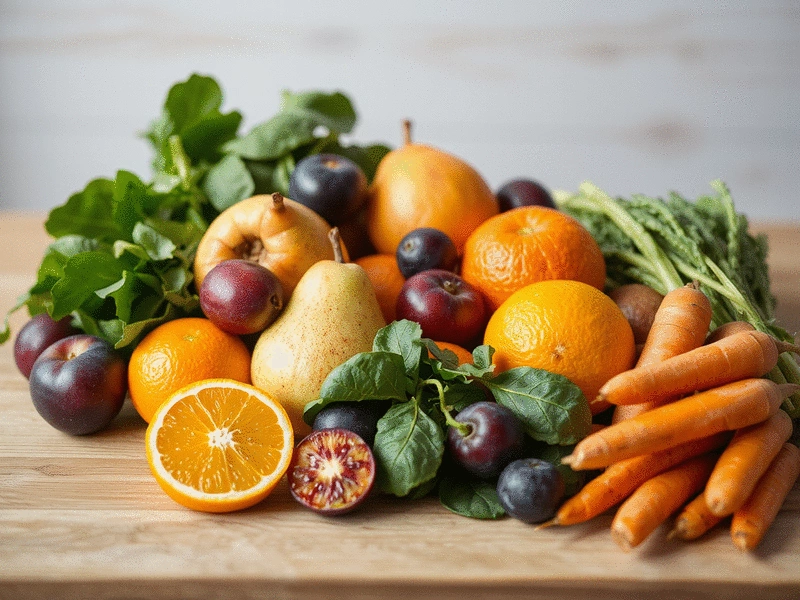
Let's not overlook the benefits of bananas, berries, and oranges. Bananas are often misunderstood; they contain both soluble and insoluble fiber, making them a great choice for overall digestive health. Berries, particularly raspberries and blackberries, are packed with fiber and antioxidants that support digestive function. Oranges not only provide hydration but also contain fiber and a variety of vitamins that can aid in digestion.
Incorporating these fruits into your diet can provide a tasty and effective way to improve your digestive health. Who doesn't love a refreshing fruit salad or a smoothie packed with nutrients?
To reap the maximum benefits from fruits, how you prepare and consume them matters! Eating fruits raw is often the best way to preserve their fiber and nutrients. You can also blend them into smoothies for a quick, fiber-rich snack. If you enjoy juicing, be sure to include the pulp for added fiber.
By making simple changes to how you consume fruits, you can enhance their digestive benefits and enjoy a healthier lifestyle. Remember, the goal is to make these nutritious choices a regular part of your everyday routine!
Did you know? Adding a variety of high-fiber fruits to your diet can not only help prevent constipation but also provide essential vitamins and minerals that support overall digestive health. Aim to include at least two different types of high-fiber fruits in your meals each day to maximize benefits!
A: Constipation is often caused by a low-fiber diet, insufficient hydration, a sedentary lifestyle, and sometimes certain medications.
A: Soluble fiber dissolves in water to form a gel, helping to regulate bowel movements and blood sugar levels. Insoluble fiber adds bulk to stool, speeding its passage through the digestive tract.
A: Prunes, kiwifruit, apples, and pears are highly effective due to their high fiber content and beneficial properties like sorbitol in prunes and actinidin in kiwifruit.
A: Eating fruits raw retains maximum fiber and nutrients. Blending them into smoothies (with pulp) or adding them to meals like salads and oatmeal are also great ways to increase fiber intake.
A: Gradually increase your fiber intake and ensure you drink plenty of water to help your digestive system adjust. If discomfort persists, consult a healthcare professional.
When it comes to preventing constipation, making dietary changes is essential. As a gastroenterologist with years of experience, I've seen firsthand how a well-planned diet can significantly impact digestive health. The goal is to create a sustainable eating plan that incorporates high-fiber fruits and vegetables while also being mindful of your body's unique needs.
Start by assessing your current diet. Are you consuming enough fruits and vegetables? If not, it’s time to set some achievable goals. Consider introducing a variety of high-fiber foods gradually—this approach can help your digestive system adjust without overwhelming it. Remember, consistency is key, and small, steady changes can lead to significant long-term benefits!
Creating a sustainable diet plan is all about balance and variety. Here are some tips to help you build a high-fiber diet:
By following these steps, you can ensure that your diet not only helps prevent constipation but also supports overall digestive health. Remember, the changes you make should be enjoyable, not a chore!
While a high-fiber diet is beneficial, it’s important to address potential concerns. Some individuals, especially those with Irritable Bowel Syndrome (IBS) or other digestive disorders, might experience discomfort when increasing their fiber intake too quickly. It's crucial to listen to your body and adjust accordingly.
Here are some common side effects and how to manage them:
Don't hesitate to consult a healthcare professional to tailor your dietary plan to your specific needs. Remember, it’s about finding what works best for you!
Here is a quick recap of the important points discussed in the article:
As a dedicated gastroenterologist with over a decade of experience, I'm passionate about empowering you with evidence-based insights into digestive wellness. At Constipation Solutions Co., we believe in natural remedies and lifestyle modifications to achieve optimal digestive comfort. My mission is to bridge the gap between medical expertise and everyday well-being, providing reliable, research-backed information to help you navigate your digestive challenges with confidence.