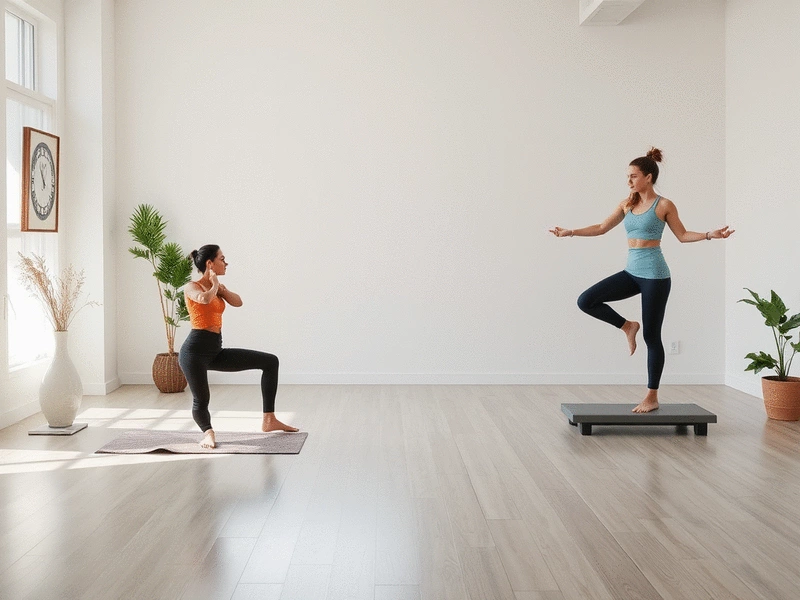
Research shows that regular exercise is not only beneficial for overall health but is also a critical factor in improving gut health and relieving constipation. Engaging in physical activity can stimulate digestive processes and enhance bowel movements. Here’s what you will learn from this article.
What You Will Learn
Exercise boosts heart rate and blood flow, promoting intestinal motility and easing bowel movements.
Both aerobic exercises and yoga can effectively enhance gut health, each contributing uniquely to digestive comfort.
Staying hydrated is essential; water aids digestion and helps prevent constipation during and after exercise.
A personalized exercise program combining yoga and aerobic activities can optimize results for digestive health.
Setting realistic expectations and tracking progress can help gauge improvements in bowel function.
Exercise for Constipation Relief: Key Mechanisms & Comparisons
This visual highlights how different types of exercise contribute to relieving constipation and the importance of hydration.
How Exercise Enhances Gut Motility
Physical activity directly impacts digestive function by:
Increased Heart Rate: Elevates blood circulation to the digestive tract.
Enhanced Intestinal Motility: Stimulates muscles for easier waste passage.
Both effective, but with different primary benefits:
Aerobic (e.g., running): Directly improves gut motility and blood flow.
Yoga (e.g., Wind-Relieving Pose): Focuses on relaxation, stress reduction, and direct intestinal stimulation.
Combined Approach: Often yields the best results for comprehensive relief.
Comparative Benefits
The Role of Hydration
Crucial for maximizing exercise effectiveness and digestive health:
Supports Digestion: Helps break down food and absorb nutrients.
Prevents Constipation: Softens stool for easier passage.
Boosts Performance: Essential for effective workouts.
Hydration Synergy
Setting Realistic Expectations
Relief is gradual, not immediate:
First Week: Slight increase in bowel movements.
2-3 Weeks: More noticeable changes in consistency and ease.
Long-Term: Lasting improvements with continued commitment.
Timeline for Results
Understanding the Role of Exercise in Relieving Constipation
When it comes to relieving constipation, many people overlook a powerful ally: exercise! Engaging in regular physical activity is not just beneficial for your overall health; it actively enhances your gut health and promotes better bowel movements. So, what exactly happens in your body when you exercise? Let's break it down.
Exercise works wonders for your digestive system by increasing heart rate and blood flow, which in turn stimulates intestinal motility. As your heart pumps faster, your body delivers more oxygen-rich blood to your organs, including your digestive tract. This process can help get things moving in your intestines, making it easier for waste to pass through. Plus, the physical activity itself helps to push food along your digestive pathway.
Increased heart rate: Elevates blood circulation throughout the body.
Stress reduction: Lowers anxiety levels, which can positively affect digestion.
So, the next time you're feeling a bit sluggish, remember that a quick workout might just be what you need to get your digestion back on track!
How Exercise Enhances Gut Health and Motility
To truly appreciate the connection between exercise and gut health, we need to look at the physiological mechanisms involved. Regular exercise not only increases your heart rate but also helps to stimulate the muscles in your intestines, promoting more efficient digestion. This means that the more you move, the better your gut can function! Research published in the International Journal of Community Medicine and Public Health reinforces the positive impact of physical activity on intestinal motility.
Moreover, engaging in physical activity creates a ripple effect that extends beyond just your digestive system. It can reduce levels of stress hormones that can contribute to digestive issues. When you feel less stressed, your body is more likely to operate efficiently, further improving your overall gut health. Isn’t it amazing how exercise can boost your wellbeing in so many ways?
Comparing Yoga and Aerobic Exercises: What the Research Says
When it comes to exercise options, both yoga and aerobic activities have shown to be effective in promoting bowel function. Research indicates that while aerobic exercises like running or cycling improve gut motility, yoga can also play a significant role by focusing on relaxation and stress reduction, which are essential for digestive health. A study published in PubMed Central highlights how physical activity, including aerobic exercise, can significantly reduce symptoms of constipation.
Some studies have even suggested that certain yoga poses can directly stimulate the intestines, leading to improved bowel movements. However, it’s important to note that the effectiveness of these exercises might vary from person to person. So, finding the right balance between aerobic exercise and yoga could be the key to achieving optimal digestive comfort! Further research, such as findings available on PubMed Central, delves into the specific effects of physical activity on gastrointestinal motility.
Aerobic Exercises: Running, walking, and cycling enhance gut motility.
Yoga: Poses like the Wind-Relieving Pose can directly stimulate the intestines.
Mixed Evidence: Individual results may vary based on personal health and preferences.
Incorporating both types of exercise into your routine can yield the best results for your digestive health! It’s all about finding what works for you.
The Importance of Hydration in Supporting Digestive Health with Exercise
Now, let’s talk about hydration. Staying properly hydrated is essential for overall health, and it plays a crucial role in enhancing the effectiveness of your exercise routine. When you're active, your body loses fluids through sweat, and replenishing those fluids is vital for maintaining proper digestive function.
Water aids digestion by helping to break down food and absorb nutrients, while also softening stool to prevent constipation. So, remember to drink plenty of water before, during, and after your workouts! Aim for at least eight glasses a day, or more if you’re exercising or in a hot climate. You might be surprised at how much better you feel when you stay hydrated!
Hydration supports digestion: Water helps break down food and absorb nutrients.
Prevents constipation: Keeping stools soft and easy to pass.
Encourages better exercise performance: Staying hydrated helps you exercise more effectively.
By combining regular exercise with proper hydration, you can take significant steps toward achieving your digestive health goals. Empower yourself to feel comfortable and confident in your body—every step counts!
Pro Tip
Did you know? Pairing your exercise routine with specific yoga poses can significantly enhance your digestive health. For example, incorporating the Wind-Relieving Pose into your sessions can directly stimulate your intestines, promoting better bowel movements. Try to integrate these poses into your weekly workout for optimal results!
Frequently Asked Questions
Exercise increases heart rate and blood flow, stimulating intestinal motility and helping waste move through the digestive tract more easily. It also reduces stress, which can positively impact digestion.
Both aerobic exercises (like running, walking, cycling) and yoga are effective. Aerobic exercises improve gut motility directly, while yoga focuses on relaxation, stress reduction, and direct intestinal stimulation through certain poses. A combination of both often yields the best results.
Proper hydration is crucial because water helps break down food, absorb nutrients, and soften stool, making it easier to pass and preventing constipation. It also aids in maintaining effective exercise performance.
Results can be gradual. You might notice a slight increase in bowel movements within the first week. More noticeable changes in stool consistency and ease of passage typically occur within two to three weeks, with lasting improvements coming from continued commitment.
Start by assessing your current fitness level and specific constipation challenges. Gradually introduce gentle yoga and brisk walking in week one, increasing intensity and duration over subsequent weeks, incorporating activities like jogging, cycling, or dance. Customize it to your preferences and track your progress.
Key Takeaways: Optimizing Your Exercise Approach for Constipation
When tackling constipation, a multi-faceted approach is often the most effective. By integrating both yoga and aerobic exercises into your routine, you can harness the unique benefits of each practice. Yoga helps reduce stress, while aerobic activities boost gut motility. Together, they create a well-rounded strategy for enhancing your bowel health!
Here’s a quick overview of the benefits of combining these two forms of exercise:
Stress Reduction: Yoga calms the mind, which can positively influence digestive function.
Improved Flexibility: Yoga enhances flexibility, which can ease tension in the abdominal area.
Community Engagement: Participating in group classes can provide motivation and support for your journey.
Utilizing both types of exercise can help you address constipation more effectively, as each plays a vital role in maintaining digestive harmony. Remember, it's about finding what works best for you!
Setting Realistic Expectations for Constipation Relief Through Exercise
As we set out on our journey to better bowel health, it's crucial to have realistic expectations. Regular exercise won't provide overnight relief, but with persistence, you can see significant improvements in stool frequency and consistency. Generally, you might start noticing changes within a few weeks of integrating exercise into your daily routine.
Here are some factors to consider regarding timelines and measurable outcomes:
Initial Changes: You may notice a slight increase in bowel movements within the first week of consistent exercise.
Two to Three Weeks: It’s common to see more noticeable changes in stool consistency and ease of passage.
Long-Term Effects: Continued commitment to exercise can result in lasting improvements, leading to less frequent bouts of constipation.
By keeping these timelines in mind, you can better gauge your progress and celebrate small victories along the way! Feeling empowered in your digestive health journey is key!
Action Steps: Implementing Your Personalized Exercise Plan
Creating Tailored Programs for Different Needs
When it comes to exercise, a one-size-fits-all approach rarely works. That’s why I encourage you to design a personalized four-week program that incorporates both yoga and aerobic exercises. Start by assessing your current fitness level and any particular challenges related to constipation.
Here’s a simple framework to help you get started:
Week 1: Introduce gentle yoga sessions (10-15 minutes) and 20 minutes of brisk walking.
Week 2: Gradually increase yoga to 20-30 minutes and incorporate 30 minutes of jogging or cycling.
Week 3: Add more challenging yoga poses and engage in 40 minutes of aerobic activities.
Week 4: Mix it up! Combine yoga with 30-40 minutes of dance or Zumba for a fun twist.
By customizing your program, you can address your specific needs and preferences, giving you the best chance for success!
Encouraging Consistency and Tracking Progress
Consistency is the secret ingredient to any successful exercise plan. To stay on track, consider setting specific goals, such as dedicating certain days for yoga or aerobic activities. Tracking your progress can also be a powerful motivator!
Here are some effective ways to maintain your routine and monitor improvements:
Keep a Journal: Document your workouts, feelings, and any changes in bowel health.
Use a Calendar: Mark off the days you complete your exercise sessions to visualize your commitment.
Set Milestones: Aim for small goals, like completing a specific number of sessions each week.
By implementing these strategies, you'll be better equipped to maintain your exercise routine and celebrate your journey toward improved digestive health!
Finding Community Support: Joining Group Classes and Online Workouts
Connecting with others on a similar health journey can be incredibly empowering. Whether you prefer in-person classes or virtual workouts, finding community support can help you stay motivated and accountable. Joining a local yoga studio or an online exercise group can provide the social interactions necessary to keep you engaged.
Here are some options to consider:
Local Yoga Studios: Many offer classes geared specifically for digestive health.
Group Aerobic Classes: Look for classes that incorporate fun, upbeat music to make exercise enjoyable.
Online Platforms: Websites and apps often feature classes tailored to various fitness levels and goals.
Remember, engaging with a community can enhance your experience and commitment to improving your digestive health. At Constipation Solutions Co., we believe that together, we can achieve better outcomes!
Recap of Key Points
Here is a quick recap of the important points discussed in the article:
Regular Exercise: Engaging in physical activity increases heart rate and stimulates intestinal motility, aiding digestion.
Aerobic vs. Yoga: Both forms of exercise benefit bowel function, with aerobic activities enhancing gut motility and yoga promoting relaxation.
Importance of Hydration: Staying hydrated supports digestion, prevents constipation, and enhances exercise performance.
Personalized Approach: Tailoring your exercise program to include both yoga and aerobic exercises can yield the best results for digestive health.
Consistency is Key: Maintaining a regular exercise routine and tracking your progress can lead to significant improvements in bowel health over time.
Dr. Clara Middleton
As a dedicated gastroenterologist with over a decade of experience, I'm passionate about empowering you with evidence-based insights into digestive wellness. At Constipation Solutions Co., we believe in natural remedies and lifestyle modifications to achieve optimal digestive comfort. My mission is to bridge the gap between medical expertise and everyday well-being, providing reliable, research-backed information to help you navigate your digestive challenges with confidence.
Constipation Solutions Co. is dedicated to empowering you to take control of your digestive health. Our mission is to provide reliable, research-backed information and natural solutions for constipation, helping you achieve optimal digestive comfort and overall well-being.
Kick off your digestive health journey by understanding your body's signals. Recognizing what triggers discomfort is the first step to finding relief!
Don’t underestimate the power of hydration. Adequate water intake is crucial for soft stools and regular bowel movements!
Utilize fiber-rich foods in your diet. They add bulk to your stool, making it easier to pass and promoting digestive regularity.
Ensure your daily routine includes physical activity. Even a short walk can stimulate your digestive system and help prevent constipation.
Focus on mindful eating. Chewing your food thoroughly and eating slowly can significantly aid digestion and prevent discomfort.
Leverage natural remedies like prunes or magnesium. These can be gentle yet effective in promoting bowel movements.
Create a consistent bathroom routine. Training your body to have bowel movements at the same time each day can improve regularity.
Regularly update your knowledge on digestive health. Fresh insights can help you adapt and improve your personal wellness strategy.
Use descriptive language when discussing symptoms with your doctor. Clear communication leads to more accurate diagnoses and effective treatments.
Incorporate stress reduction techniques. Stress can significantly impact gut health, so relaxation is key to digestive comfort.
Implement a food diary. Tracking what you eat can help identify specific foods that might be contributing to your constipation.
Optimize your posture during bowel movements. Using a squatty potty or footstool can make passing stool easier and more complete.
Encourage sharing your experiences and tips with others. A supportive community can provide valuable insights and encouragement.
Monitor and improve your gut microbiome. Probiotics and fermented foods can help maintain a healthy balance of gut bacteria.
Include a clear call-to-action in every post. This boosts engagement and guides readers to take the next step towards mastering their digestive wellness!