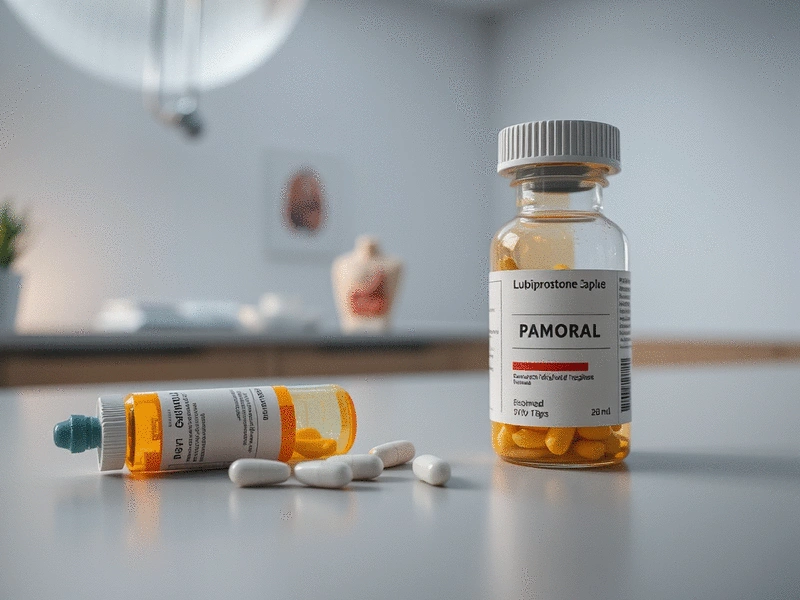
Understanding Opioid-Induced Constipation Treatments

How Opioid-Induced Constipation Medications Work: A Guide to PAMORAs and Lubiprostone

Many patients struggle with the uncomfortable side effects of opioid medications, particularly when it comes to opioid-induced constipation (OIC). This condition can significantly affect your quality of life, but knowledge empowers you to find effective solutions to manage it.

What You Will Learn

  • Opioids can slow down intestinal motility, leading to constipation by binding to gut receptors.
  • OIC can cause emotional distress, including anxiety and depression, impacting daily activities.
  • Education about opioid treatment options, like PAMORAs and Lubiprostone, can enhance treatment adherence.
  • Tracking symptoms and setting reminders can significantly improve compliance with OIC treatment plans.

Opioid-Induced Constipation: Impact & Treatment Adherence

Opioids can significantly affect gut function, leading to constipation. Understanding these mechanisms and adhering to treatment are crucial for managing this condition effectively.

How Opioids Affect Gut Function

  • Decrease gut motility & slow stool passage.
  • Increase fluid absorption, hardening stool.
  • May disrupt gut microbiota balance.
  • Increase sphincter tone & alter digestive fluids.

Impact on Quality of Life

  • Increased stress & anxiety about bowel movements.
  • Reduced ability to engage in daily activities.
  • Potential avoidance of social situations.
  • Frustration, anxiety, and depression.

Treatment Adherence Strategies

  • Participate in educational sessions.
  • Ask questions to your healthcare team.
  • Set reminders for medication.
  • Track symptoms & join support groups.

Safety & Efficacy of PAMORAs & Lubiprostone

  • Generally well-tolerated, but check contraindications.
  • Relief often within days; individual responses vary.
  • Consult doctor for drug interactions.
  • Education enhances treatment experience.

Understanding Opioid-Induced Constipation: Causes and Implications

As a gastroenterologist, I often see how opioid medications can create significant challenges for patients, particularly when it comes to opioid-induced constipation (OIC). Understanding how opioids affect our gastrointestinal function is crucial for anyone experiencing this uncomfortable side effect. The good news is that with the right information and strategies, we can tackle OIC effectively!

Opioids, while effective for pain relief, can interfere with the normal functioning of the intestines. They bind to receptors in the brain and spinal cord, but these receptors are also present in the gut. When opioids bind to these receptors, they can slow down intestinal motility, leading to constipation. This can be a frustrating cycle for those who need pain management but also want to maintain good digestive health.

How Opioids Affect Gastrointestinal Function

  • Opioids decrease gut motility, slowing down the passage of stool.
  • They can increase the absorption of fluids from the intestines, making stool harder.
  • Opioids may disrupt the balance of gut microbiota, impacting overall digestive health.

As a result of these effects, many individuals find themselves dealing with discomfort, bloating, and an inability to have regular bowel movements. It's essential to recognize that you're not alone in this struggle; many patients experience similar issues when starting opioid treatments.

The Impact of Opioid-Induced Constipation on Quality of Life

It's not just about physical discomfort; OIC can severely impact your quality of life. Many patients report feelings of frustration, anxiety, and even depression due to the challenges presented by constipation. It can lead to a vicious cycle where the fear of pain from constipation can deter individuals from taking necessary medications for pain relief.

Some of the emotional and physical impacts include:

  • Increased stress and anxiety about bowel movements.
  • Reduced ability to engage in daily activities due to discomfort.
  • Potential avoidance of social situations due to fear of bowel urgency or accidents.

Understanding these implications can empower you to seek solutions that help manage both your pain and digestive health effectively.

Understanding the Role of Opioid Receptors in Gut Function

Opioid receptors, which include the μ-opioid receptors, play a crucial role in mediating pain relief and also significantly affect gut function. The binding of opioids to these receptors inhibits the release of neurotransmitters that promote peristalsis—the wave-like muscle contractions that move food through the digestive tract. Research published in the Journal of Neurogastroenterology and Motility explains this interaction in detail.

The interaction between opioids and these receptors can lead to:

  • Decreased gastrointestinal motility and slower transit times.
  • Increased sphincter tone, making bowel movements more difficult.
  • Altered secretion of digestive fluids, impacting digestion and absorption.

By understanding the mechanics of opioid action, we can better appreciate why OIC occurs and explore effective management options. If you're facing these challenges, remember that there are treatments available that can help alleviate the symptoms of OIC while allowing you to continue managing your pain.

Pro Tip

To effectively manage opioid-induced constipation, consider incorporating a high-fiber diet, staying well-hydrated, and engaging in regular physical activity. These lifestyle modifications can significantly improve your digestive health and alleviate symptoms of OIC.

Addressing Common Concerns and Misconceptions

When it comes to managing opioid-induced constipation (OIC), I often hear numerous questions and concerns from patients and their families. Understanding the safety and efficacy of treatments like PAMORAs and Lubiprostone is crucial for making informed decisions. Here, I’ll address some of the most frequently asked questions to clear up any misconceptions and help you feel more confident in your treatment options.

FAQs on Safety and Efficacy of PAMORAs and Lubiprostone

Many people wonder whether PAMORAs and Lubiprostone are safe and effective for long-term use. Here are some common inquiries:

  • Are PAMORAs safe for everyone? While PAMORAs are generally well-tolerated, they may not be suitable for patients with specific gastrointestinal conditions or those who have certain allergies. The American Academy of Family Physicians provides comprehensive guidelines on their use.
  • How quickly do these medications work? Most patients experience relief within a few days of starting treatment, but individual responses can vary.
  • Can I take PAMORAs with other medications? It's essential to consult your healthcare provider, as drug interactions can occur, impacting treatment efficacy. For more in-depth information on the efficacy of PAMORAs, you can refer to studies published by ASCO Publications.

Understanding these factors can significantly enhance your treatment experience. I encourage you to discuss any concerns with your healthcare provider to ensure the best outcomes!

Understanding the Role of Education in Treatment Adherence

Education plays a key role in how effectively patients adhere to their treatment plans for OIC. Being informed about the medications you are taking and how they work can empower you to take charge of your health. Here are some strategies that can improve adherence:

  • Participate in educational sessions about OIC and its treatments.
  • Ask questions whenever you don’t understand something—your healthcare team is here to help!
  • Utilize resources from Constipation Solutions Co., like our website, to learn more about managing your condition.

When you’re equipped with knowledge, you’re more likely to stick to your treatment plan and see positive results. Remember, you don’t have to navigate this journey alone!

Patient Compliance and Strategies for Enhancing Treatment Success

Ensuring compliance with treatment regimens can be challenging, especially when it comes to managing chronic conditions like OIC. Here are some effective strategies to improve treatment success:

  • Set reminders: Use your phone or a calendar to remind you to take medications.
  • Track your symptoms: Keeping a journal of your bowel habits can help you and your doctor assess the effectiveness of your treatment.
  • Join support groups: Connecting with others facing similar challenges can provide motivation and encouragement.

By implementing these strategies, you can significantly enhance your treatment experience and work towards achieving optimal digestive health. Remember, the goal is to feel comfortable and confident in managing your condition!

Frequently Asked Questions About OIC

What is Opioid-Induced Constipation (OIC)?
OIC is a common side effect of opioid pain medications, where opioids bind to receptors in the gut, slowing down intestinal movement and leading to difficulty with bowel movements.
How do opioids cause constipation?
Opioids decrease gut motility, increase fluid absorption from the intestines, and can disrupt gut microbiota balance, all contributing to harder, slower-moving stool.
What is the impact of OIC on quality of life?
OIC can lead to significant discomfort, bloating, anxiety, frustration, and depression. It can also reduce the ability to engage in daily activities and social situations.
What are PAMORAs and Lubiprostone, and how do they help?
PAMORAs (Peripherally Acting Mu-Opioid Receptor Antagonists) and Lubiprostone are medications specifically designed to treat OIC by counteracting the effects of opioids on the gut without affecting pain relief. They help restore normal bowel function.
How can I improve my adherence to OIC treatment?
Strategies include participating in educational sessions, asking your healthcare team questions, using reminders for medication, tracking your symptoms, and joining support groups.

Recap of Key Points

Here is a quick recap of the important points discussed in the article:

  • Opioids can significantly slow down intestinal motility, leading to constipation.
  • OIC can affect quality of life, causing frustration, anxiety, and social avoidance.
  • Understanding the role of opioid receptors in gut function is key to managing OIC.
  • PAMORAs and Lubiprostone can be effective treatments, but it's essential to consult with a healthcare provider.
  • Education about OIC and its treatments enhances adherence to treatment plans.
  • Implementing strategies like setting reminders and tracking symptoms can improve treatment success.
About !author

Dr. Clara Middleton

As a dedicated gastroenterologist with over a decade of experience, I'm passionate about empowering you with evidence-based insights into digestive wellness. At Constipation Solutions Co., we believe in natural remedies and lifestyle modifications to achieve optimal digestive comfort. My mission is to bridge the gap between medical expertise and everyday well-being, providing reliable, research-backed information to help you navigate your digestive challenges with confidence.


Popular Posts

Hydration Strategies for Constipation Relief Hydration Plans for Individuals with Chronic Constipation What if something as simple as water could transform your digestive health? Staying hydrated is esse
Legumes: A Natural Solution for Constipation The Role of Legumes in Preventing and Relieving Constipation Could your diet be the missing piece in achieving digestive comfort? Discover how the simple additio
Stimulant Laxatives: Use and Caution Stimulant Laxatives: When to Use Them and How to Avoid Dependence Have you ever wondered how a simple medication can trigger a chain reaction in your digestive system
Bodyweight Exercises for Digestive Health Top Bodyweight Exercises to Improve Digestive Health and Prevent Constipation Did you know that just a few minutes of exercise each day can significantly improve your digestive h