Pelvic Floor Exercises for Constipation Relief
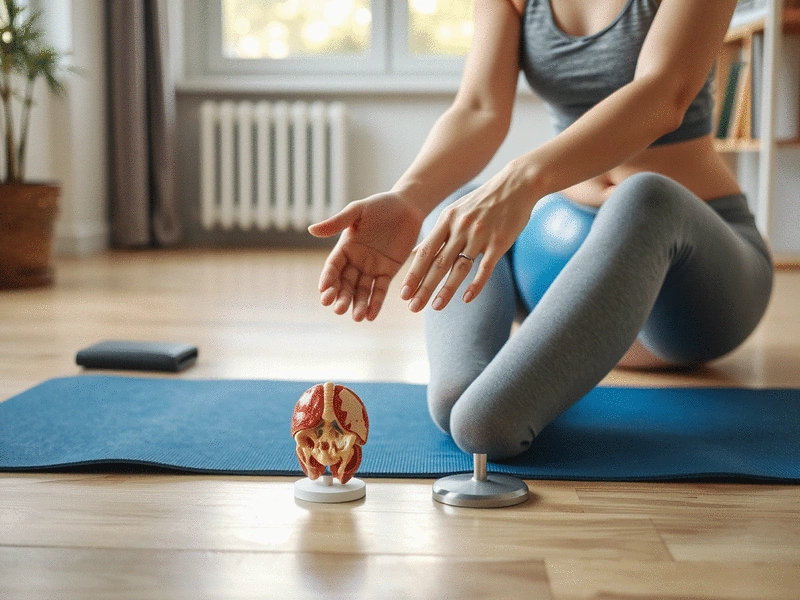
What if a simple adjustment could transform your digestive health? Many are unaware of the profound impact that pelvic floor dysfunction can have on chronic constipation. By delving into this connection, you can take significant strides towards a more comfortable life.
What You Will Learn
- The crucial relationship between pelvic floor function and bowel health.
- Common causes of pelvic floor dysfunction that contribute to chronic constipation.
- The significant benefits of incorporating pelvic floor exercises into your routine.
- Practical steps to implement pelvic floor exercises for enhanced digestive comfort.
The Pelvic Floor and Chronic Constipation: Key Connections & Causes
This visual highlights the critical role of pelvic floor function in bowel health, outlining how dysfunction can lead to chronic constipation and its common contributing factors.
Pelvic Floor's Role in Bowel Health
- Muscle Coordination for proper bowel movements.
- Supports pelvic organs, maintaining their position.
- Regulates abdominal pressure for effective function.
Dysfunction leads to challenges in passing stool effectively.
Common Causes of Pelvic Floor Dysfunction
- Inactivity: Weakens muscles.
- Childbirth: Strains pelvic floor muscles.
- Age: Diminished muscle tone.
- Chronic Straining: Damages muscles over time.
Identifying causes is key for targeted treatment.
The Connection Between Pelvic Floor Dysfunction and Chronic Constipation
Many people might not realize how closely pelvic floor dysfunction is tied to chronic constipation. Understanding this connection is crucial for anyone looking to improve their digestive health. When the muscles in your pelvic floor don’t function as they should, it can lead to significant challenges during bowel movements, contributing to that uncomfortable feeling of constipation.
As a gastroenterologist, I've seen firsthand how addressing pelvic floor issues can dramatically change a person’s experience with constipation. It’s not just about what you eat or how much water you drink; the pelvic floor's anatomy plays a significant role in your overall bowel health!
Understanding Pelvic Floor Anatomy and Its Role in Bowel Health
The pelvic floor is a group of muscles that support the pelvic organs, such as the bladder, uterus, and intestines. These muscles are essential for maintaining bowel control and ensuring that you can have a comfortable bowel movement. If these muscles are weak or too tight, it can interfere with your ability to pass stool effectively. For instance, research published in the Iranian Journal of Medical Sciences highlights the intricate relationship between pelvic floor disorders and gastrointestinal symptoms like chronic constipation.
- Muscle Coordination: The pelvic floor muscles must coordinate with the abdominal and diaphragm muscles for a successful bowel movement.
- Support for Organs: These muscles provide support to the lower organs and help maintain their position, which is vital for proper function.
- Pressure Regulation: They play a role in regulating pressure within the abdomen, which can directly impact bowel health.
When the pelvic floor muscles are not functioning optimally, it can lead to complications like constipation or even fecal incontinence. This is why understanding your pelvic floor's anatomy is so important to your digestive wellness.
Identifying Common Causes of Chronic Constipation Related to Pelvic Floor Dysfunction
Several factors can contribute to pelvic floor dysfunction, leading to chronic constipation. Here are some common causes that I often discuss with my patients at Constipation Solutions Co.
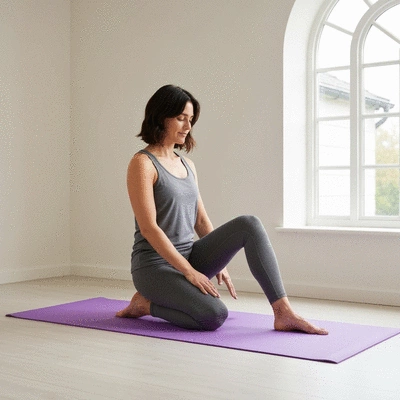
- Inactivity: A sedentary lifestyle can weaken pelvic floor muscles, making it harder for them to function correctly.
- Childbirth: Pregnancy and childbirth can strain these muscles, sometimes leading to long-term issues.
- Age: As we age, muscle tone can diminish, affecting pelvic floor health.
- Chronic Straining: Over time, frequent straining during bowel movements can damage the pelvic floor muscles.
By identifying these causes, we can develop a targeted approach to address pelvic floor dysfunction and improve bowel health. It’s essential to recognize that you're not alone in facing these challenges; many people experience the same difficulties, and there are effective solutions!
We Want to Hear From You!
Have you ever tried pelvic floor exercises to manage chronic constipation? Share your experiences or thoughts below:
Summarizing the Importance of Pelvic Floor Exercises in Managing Chronic Constipation
As we explore the intricate connection between pelvic floor exercises and chronic constipation, it's essential to recognize the key benefits these exercises provide. Strengthening the pelvic floor can lead to significant improvements in bowel function, enhancing your overall digestive health. By incorporating these practices into your routine, you may experience not only relief from constipation but also a greater sense of control over your body! Even Medical News Today emphasizes the effectiveness of pelvic floor exercises for constipation relief.
To recap, here are some of the most notable benefits of pelvic floor exercises:
- Enhanced bowel movement regularity
- Improved muscle coordination in the pelvic region
- Reduced strain during bowel movements
- Potential for decreased reliance on laxatives
Integrating these exercises into your life can be a game-changer, especially if you’ve been struggling with constipation for a while. Remember, at Constipation Solutions Co., our goal is to empower you with the information you need to reclaim your digestive comfort!
Next Steps for Implementing Pelvic Floor Exercises into Your Routine
Now that you understand the benefits, the next step is to put this knowledge into practice! Establishing a routine for pelvic floor exercises can be simple and rewarding. Here are some practical recommendations:
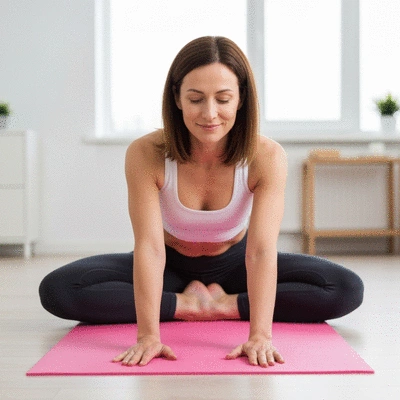
- Start with a few minutes each day, focusing on proper technique.
- Consider setting reminders on your phone to keep you accountable.
- Incorporate these exercises into activities you already do, like watching TV or during your morning routine.
- Track your progress and celebrate small victories!
By taking these actionable steps, you can create a sustainable practice that supports your digestive health. And remember, it’s completely normal to feel a bit overwhelmed at first—don’t hesitate to reach out to a healthcare professional if you need guidance! Biofeedback, a technique to train pelvic floor muscles, is also an effective treatment option, as discussed by Harvard Health.
Improving Quality of Life Through Comprehensive Constipation Management
Ultimately, the journey to managing chronic constipation is about improving your quality of life. Pelvic floor exercises are just one piece of the puzzle. When combined with dietary changes, hydration, and a balanced lifestyle, you can create a holistic approach to digestive wellness.
At Constipation Solutions Co., I, Dr. Clara Middleton, am passionate about guiding you through this process. Acknowledging the multifaceted nature of constipation can lead to more effective strategies and greater overall well-being. So, let’s embrace this journey together, making your digestive health a priority!
Frequently Asked Questions About Pelvic Floor Dysfunction and Constipation
What is the pelvic floor and how does it relate to constipation?
The pelvic floor is a group of muscles supporting pelvic organs, crucial for bowel control. When these muscles don't function correctly (pelvic floor dysfunction), they can interfere with effective stool passage, leading to chronic constipation.
What are common causes of pelvic floor dysfunction that contribute to constipation?
Common causes include inactivity, childbirth, aging (which can diminish muscle tone), and chronic straining during bowel movements, which can damage the pelvic floor muscles over time.
How can pelvic floor exercises help with chronic constipation?
Pelvic floor exercises can strengthen and coordinate these muscles, leading to enhanced bowel movement regularity, improved muscle coordination, reduced straining, and potentially decreased reliance on laxatives.
What are some practical steps to start incorporating pelvic floor exercises?
Begin with a few minutes daily, focusing on proper technique. Set reminders, integrate exercises into existing routines (like watching TV), and track your progress to stay motivated. Consulting a healthcare professional for guidance is also recommended.
Is pelvic floor dysfunction the only cause of chronic constipation?
No, while pelvic floor dysfunction is a significant contributor, chronic constipation can also stem from dietary factors, hydration levels, lifestyle choices, and other medical conditions. Pelvic floor exercises are one part of a holistic approach to digestive wellness.
Recap of Key Points
Here is a quick recap of the important points discussed in the article:
- Pelvic floor dysfunction is closely linked to chronic constipation, affecting bowel health.
- Understanding pelvic floor anatomy is crucial for effective bowel control and comfort.
- Common causes of pelvic floor dysfunction include inactivity, childbirth, aging, and chronic straining.
- Pelvic floor exercises can enhance bowel movement regularity and reduce reliance on laxatives.
- Establishing a routine for pelvic floor exercises can significantly improve digestive health.

Dr. Clara Middleton
As a dedicated gastroenterologist with over a decade of experience, I'm passionate about empowering you with evidence-based insights into digestive wellness. At Constipation Solutions Co., we believe in natural remedies and lifestyle modifications to achieve optimal digestive comfort. My mission is to bridge the gap between medical expertise and everyday well-being, providing reliable, research-backed information to help you navigate your digestive challenges with confidence.
Popular Posts
Daily Exercise for Digestive Health
![How to Develop a Daily Exercise Routine to Prevent Constipation and Enhance Digestive Comfort]() Did you know that incorporating daily exercise can dramatically improve your digestive health? Regul
Did you know that incorporating daily exercise can dramatically improve your digestive health? Regul
 Did you know that incorporating daily exercise can dramatically improve your digestive health? Regul
Personalized Hydration for Constipation Relief
![Creating a Personalized Hydration Plan for Constipation Management]() Did you know that staying hydrated can significantly improve your digestive health? Understanding th
Did you know that staying hydrated can significantly improve your digestive health? Understanding th
 Did you know that staying hydrated can significantly improve your digestive health? Understanding th
Affordable Constipation Medication Options
![Cost and Accessibility of Constipation Medications: Tips for Finding Affordable Options]() Understanding your financial options when it comes to constipation treatments can empower you to mak
Understanding your financial options when it comes to constipation treatments can empower you to mak
 Understanding your financial options when it comes to constipation treatments can empower you to mak
Biofeedback for Constipation Relief
![Pelvic Floor Biofeedback and Exercise: A Drug-Free Approach to Constipation]() Struggling with constipation can be frustrating, but you don’t have to face it alone. Pelvic floor
Struggling with constipation can be frustrating, but you don’t have to face it alone. Pelvic floor
 Struggling with constipation can be frustrating, but you don’t have to face it alone. Pelvic floor
