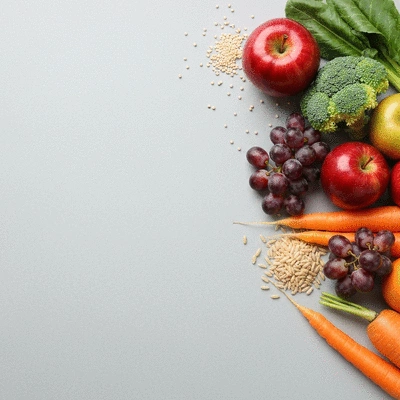
Hydration: The Solvent for Digestion
Water helps dissolve nutrients and fiber, preventing hard stools. Aim for at least eight glasses daily. Incorporate water-rich foods.
8+ Glasses / Day
What if a simple change in your daily routine could improve your digestive health? Regular exercise and hydration are not just recommendations; they are essential practices for combating constipation effectively. Explore how these elements intertwine to enhance your well-being!
Understanding the interplay between key lifestyle factors and their impact on digestive health.
Water helps dissolve nutrients and fiber, preventing hard stools. Aim for at least eight glasses daily. Incorporate water-rich foods.
Fiber adds bulk, making stools easier to pass. Include fruits, vegetables, whole grains, and legumes. Target 25-30 grams daily.
Physical activity speeds up digestion. Even a brisk walk aids bowel movements. Regular movement supports gut health.
Probiotics (yogurt, kefir) restore gut bacteria balance, improve barrier function, and reduce inflammation.
As a gastroenterologist, I often see patients puzzled by constipation and its various causes. It's essential to understand that constipation isn’t just about irregular bowels; it’s often linked to several factors, including diet, hydration, and exercise. Each plays a critical role in maintaining gut health and achieving relief from discomfort.
Did you know that many people experience constipation due to a lack of physical activity? By integrating regular exercise and adequate hydration into your daily routine, you can significantly improve your digestive health! Let’s dive deeper into these connections.
Constipation can result from various lifestyle factors, making it a common complaint. Understanding its causes is the first step to tackling this issue effectively:
By identifying these causes, you can take actionable steps towards improving your gut health. Remember, your digestive system thrives when you pay attention to what you eat, how much you hydrate, and how active you are!
Hydration is more than just quenching your thirst; it’s vital for proper digestion. Water helps dissolve nutrients and fiber, making it easier for your body to absorb them. If you're not drinking enough, your stools can become hard and difficult to pass. For more detailed information on the benefits of adequate hydration for digestive health, you can refer to this study on hydration and gastrointestinal function.
To ensure you’re well-hydrated, consider these tips:
Staying hydrated can make a world of difference in your digestive health! You might be surprised at how much better you feel when you prioritize water intake.
Fiber is crucial in promoting regular bowel movements. It adds bulk to your stool, making it easier to pass. You can find fiber in fruits, vegetables, whole grains, and legumes. As a general rule, aim for at least 25-30 grams of fiber per day. For further details on how fiber intake impacts bowel function, explore this resource on dietary fiber and constipation relief.
Here are some fiber-rich foods you can include in your meals:
By incorporating more fiber into your diet, you can support your digestive system and alleviate constipation effectively. It’s truly about making small, manageable changes that lead to significant health benefits!
Did you know? Regularly incorporating even short bursts of physical activity, such as a 10-minute walk after meals, can significantly improve your digestive health and help alleviate constipation. Combine this with proper hydration by drinking water before and after your exercise, and you'll be on your way to feeling more comfortable!
At Constipation Solutions Co., we understand that achieving optimal digestive health is a journey, not a sprint! Integrating exercise and hydration can significantly enhance your gut function and help ease the symptoms of constipation. But when should you seek professional help? Recognizing serious symptoms is crucial in this journey.
If you're experiencing severe abdominal pain, persistent constipation that doesn’t improve with lifestyle changes, or any unusual symptoms, it's time to consult a healthcare professional. Here are some signs that indicate the need for immediate medical attention:
It's important to listen to your body! If you experience any of these symptoms, don't hesitate to reach out to a gastroenterologist for personalized guidance.
Maintaining a balanced gut flora is vital for your digestive health. Probiotics, found in foods like yogurt, kefir, and fermented vegetables, can help restore the natural balance of bacteria in your gut. This balance is essential for promoting regular bowel movements and overall gut function. For more insights into the therapeutic effects of probiotics on gut motility, you can read this article on probiotics and gastrointestinal motility.
Here are some benefits of incorporating probiotics into your diet:
Including probiotics in your daily routine can be an excellent way to boost your digestive health and combat constipation effectively!
As we wrap up this section, it’s clear that integrating exercise and hydration is crucial for managing constipation. By recognizing serious symptoms and understanding the impact of probiotics on gut health, you're better equipped to take control of your digestive wellness.
Constipation is often caused by a combination of dietary choices (low fiber), inadequate hydration, lack of physical activity, and certain medications. Addressing these factors can significantly improve digestive health.
Aim for at least eight glasses of water daily. Adequate hydration helps soften stools and facilitates easier bowel movements, preventing constipation.
Fiber adds bulk to your stool, making it softer and easier to pass. It is recommended to consume 25-30 grams of fiber daily from sources like fruits, vegetables, whole grains, and legumes.
Regular physical activity stimulates intestinal motility, speeding up the digestive process and promoting more regular bowel movements. Even short walks can be beneficial.
You should consult a healthcare professional if you experience severe abdominal pain, sudden changes in bowel habits, blood in your stool, unexplained weight loss, or persistent nausea or vomiting.
Yes, probiotics can help restore the natural balance of gut bacteria, improve gut barrier function, reduce inflammation, and promote regular bowel movements. They can be found in fermented foods like yogurt and kefir.
Remember, small changes can lead to significant improvements in your digestive health. Regular physical activity and staying hydrated are your best allies in this journey towards relief from constipation.
At Constipation Solutions Co., we believe in empowering you with the knowledge and tools to take charge of your digestive health! So why wait? Start integrating these strategies into your daily routine today and embrace the path to better digestive comfort!
Here is a quick recap of the important points discussed in the article:
As a dedicated gastroenterologist with over a decade of experience, I'm passionate about empowering you with evidence-based insights into digestive wellness. At Constipation Solutions Co., we believe in natural remedies and lifestyle modifications to achieve optimal digestive comfort. My mission is to bridge the gap between medical expertise and everyday well-being, providing reliable, research-backed information to help you navigate your digestive challenges with confidence.