Fiber Supplements for Constipation Help
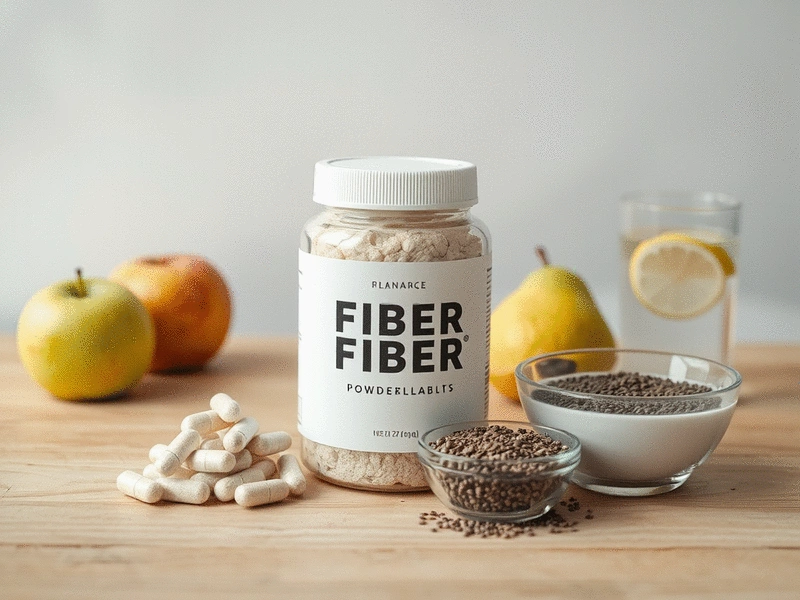
Considering how many individuals face digestive issues, understanding constipation and the role of fiber could significantly enhance your well-being. Have you ever pondered how something as simple as fiber can transform your digestive health?
What You Will Learn
- Constipation is characterized by infrequent bowel movements and can affect overall well-being.
- Diet, hydration, exercise, and stress are key factors that contribute to constipation.
- Fiber supplements can significantly improve stool bulk, frequency, and consistency.
- There are two main types of fiber: soluble and insoluble, each serving unique roles in digestive health.
- It's crucial to consult with a healthcare professional before starting any fiber supplement regimen.
- Gradual introduction of fiber and adequate hydration are essential for maximizing its benefits.
Constipation Solutions: Fiber Supplement Benefits & Journey
This visual highlights the key benefits of fiber supplements for constipation relief and outlines the recommended steps for incorporating them into your routine.
Benefits of Fiber Supplements
- •Improved stool bulk and consistency
- •Enhanced gut transit time
- •Potential relief from IBS symptoms
- •Support for overall digestive health
Starting Your Fiber Journey Wisely
- Consult with a healthcare professional
- Gradually introduce fiber into your diet
- Stay hydrated to maximize benefits
- Monitor your body’s response and adjust
Understanding Constipation and the Role of Fiber Supplements
Constipation is a common yet often uncomfortable condition that affects many people. But what exactly is it, and how does it impact your daily life? In simple terms, constipation is characterized by infrequent bowel movements or difficulty passing stools. You might experience symptoms like abdominal discomfort, bloating, and the feeling of incomplete evacuation. If you're nodding your head, you're not alone—many individuals face this challenge, and it can significantly influence your overall well-being!

In understanding constipation, it's essential to recognize the factors contributing to it. Diet, hydration, exercise, and even stress can play a role. One key aspect that often comes up in conversations about digestive health is fiber intake. Fiber is a powerhouse nutrient when it comes to maintaining regular bowel movements. Increasing your fiber consumption can be a game-changer in your quest for digestive comfort, as supported by research from the National Institutes of Health on the effectiveness of fiber in managing constipation.
What is Constipation and How Does it Affect You?
Constipation isn't just about how often you go to the bathroom; it's also about the quality of your bowel movements. You might notice you're feeling sluggish or irritable, and that can affect your daily activities. Some common signs of constipation include:
- Infrequent bowel movements (less than three times a week)
- Hard or lumpy stools that are difficult to pass
- Straining during bowel movements
- Bloating and abdominal discomfort
Recognizing these symptoms is the first step toward addressing the issue. It's important to remember that your body is unique, and what works for one person might not work for another. But don't worry—there are effective strategies, including fiber supplements, that can help.
How Fiber Supplements Contribute to Constipation Relief
Fiber supplements can be a valuable addition to your routine if you're struggling with constipation. These supplements work by increasing the bulk of your stool, making it easier to pass. There are two main types of fiber: soluble and insoluble, each playing a different role in digestive health. Soluble fiber dissolves in water, forming a gel-like substance that helps soften stools, while insoluble fiber adds bulk to your stool and aids in moving it through the digestive tract. The Department of Veterans Affairs provides comprehensive guidance on high fiber for healthy bowels, further illustrating the benefits of both types.
Including fiber supplements in your diet can lead to numerous benefits, such as:
- Increased stool frequency and consistency
- Reduced straining during bowel movements
- Improved gut health and overall digestive comfort
At Constipation Solutions Co., we emphasize the importance of integrating these supplements into your daily routine to restore digestive comfort naturally and confidently. Remember, it’s all about finding the right balance for your body!
Pro Tip
To maximize the benefits of fiber supplements, consider pairing them with a variety of fiber-rich foods in your diet. Incorporating fruits, vegetables, and whole grains not only enhances your fiber intake but also provides essential vitamins and minerals that support overall digestive health.
Key Takeaways on Fiber Supplements for Constipation
Understanding the role of fiber supplements in managing constipation can be a game-changer for your digestive health! Throughout this article, we’ve explored how fiber can aid in regular bowel movements and alleviate discomfort. The key benefits include:
- Improved stool bulk and consistency
- Enhanced gut transit time
- Potential relief from symptoms of IBS
- Support for overall digestive health
Utilizing the right fiber supplement might just be the support you need on your journey to achieving optimal digestive comfort. I’ve seen many patients thrive with the right approach to fiber, and I’m confident you can, too!
Next Steps: Starting Your Fiber Supplement Journey Wisely
As you consider incorporating fiber supplements into your routine, here are some tips to ensure you start off on the right foot:
- Consult with a healthcare professional to determine your specific needs
- Gradually introduce fiber into your diet to allow your body to adjust
- Stay hydrated to maximize the benefits of fiber
- Monitor your body’s response and adjust as necessary
Beginning your fiber journey wisely can make all the difference in your digestive health! Remember, every individual’s needs are unique, so what works for one person might not work for another.
Frequently Asked Questions About Fiber Supplements and Constipation
- What is constipation?
- Constipation is characterized by infrequent bowel movements (less than three times a week) or difficulty passing stools, often accompanied by symptoms like abdominal discomfort and bloating.
- How does fiber help with constipation?
- Fiber helps by increasing stool bulk and softening it, making it easier to pass. Soluble fiber forms a gel-like substance, while insoluble fiber adds bulk and aids movement through the digestive tract.
- What are the two main types of fiber?
- The two main types are soluble fiber, which dissolves in water and helps soften stools, and insoluble fiber, which adds bulk and aids in stool passage.
- What are the benefits of using fiber supplements?
- Benefits include improved stool bulk and consistency, enhanced gut transit time, potential relief from IBS symptoms, and overall support for digestive health.
- What should I do before starting a fiber supplement regimen?
- It is crucial to consult with a healthcare professional to determine your specific needs, gradually introduce fiber into your diet, stay hydrated, and monitor your body's response.
Engaging with Your Digestive Health
Further Resources: Learning More About Fiber and Gut Health
For those eager to dive deeper into the world of fiber and gut health, I recommend checking out the following resources:
- The American Gastroenterological Association provides valuable research-backed information on digestive health.
- Books on dietary fiber and digestion, such as "The Fiber Effect" by Dr. Anne Alexander
- Webinars and seminars on digestive health strategies
These resources can offer valuable insights that complement the information shared on ConstipationTreatments.net. Remember, knowledge is power when it comes to your health!
Share Your Experience: Join the Conversation on Fiber Supplements
I’d love to hear about your experiences with fiber supplements! Have you found a particular product that worked wonders for you? Or maybe you have tips for easing into a fiber-rich diet. Sharing your story can help others on their journey to better digestive health. Consider leaving a comment on our website or engaging with us on social media!
Exploring the Role of Probiotics and Prebiotics in Digestive Health
While fiber supplements can be incredibly beneficial, they work best alongside a balanced diet that includes probiotics and prebiotics. These components contribute to a healthy gut microbiome. Here’s a quick rundown:
- Probiotics: Live bacteria that support digestive health, found in yogurt, kefir, and fermented foods.
- Prebiotics: Non-digestible fibers that feed good bacteria, found in foods like garlic, onions, and bananas.
Incorporating both fiber and these gut-friendly foods can enhance your digestive health journey. After all, a happy gut leads to a happy life!
Recap of Key Points
Here is a quick recap of the important points discussed in the article:
- Constipation is characterized by infrequent bowel movements and can significantly impact your daily life.
- Key symptoms include hard stools, bloating, and straining during bowel movements.
- Fiber intake is crucial, with supplements providing benefits such as increased stool frequency and improved gut health.
- Consulting a healthcare professional is recommended before starting fiber supplements.
- Stay hydrated and gradually introduce fiber to your diet for optimal results.

Dr. Clara Middleton
As a dedicated gastroenterologist with over a decade of experience, I'm passionate about empowering you with evidence-based insights into digestive wellness. At Constipation Solutions Co., we believe in natural remedies and lifestyle modifications to achieve optimal digestive comfort. My mission is to bridge the gap between medical expertise and everyday well-being, providing reliable, research-backed information to help you navigate your digestive challenges with confidence.
Popular Posts
Daily Exercise for Digestive Health
![How to Develop a Daily Exercise Routine to Prevent Constipation and Enhance Digestive Comfort]() Did you know that incorporating daily exercise can dramatically improve your digestive health? Regul
Did you know that incorporating daily exercise can dramatically improve your digestive health? Regul
 Did you know that incorporating daily exercise can dramatically improve your digestive health? Regul
Personalized Hydration for Constipation Relief
![Creating a Personalized Hydration Plan for Constipation Management]() Did you know that staying hydrated can significantly improve your digestive health? Understanding th
Did you know that staying hydrated can significantly improve your digestive health? Understanding th
 Did you know that staying hydrated can significantly improve your digestive health? Understanding th
Affordable Constipation Medication Options
![Cost and Accessibility of Constipation Medications: Tips for Finding Affordable Options]() Understanding your financial options when it comes to constipation treatments can empower you to mak
Understanding your financial options when it comes to constipation treatments can empower you to mak
 Understanding your financial options when it comes to constipation treatments can empower you to mak
Biofeedback for Constipation Relief
![Pelvic Floor Biofeedback and Exercise: A Drug-Free Approach to Constipation]() Struggling with constipation can be frustrating, but you don’t have to face it alone. Pelvic floor
Struggling with constipation can be frustrating, but you don’t have to face it alone. Pelvic floor
 Struggling with constipation can be frustrating, but you don’t have to face it alone. Pelvic floor
